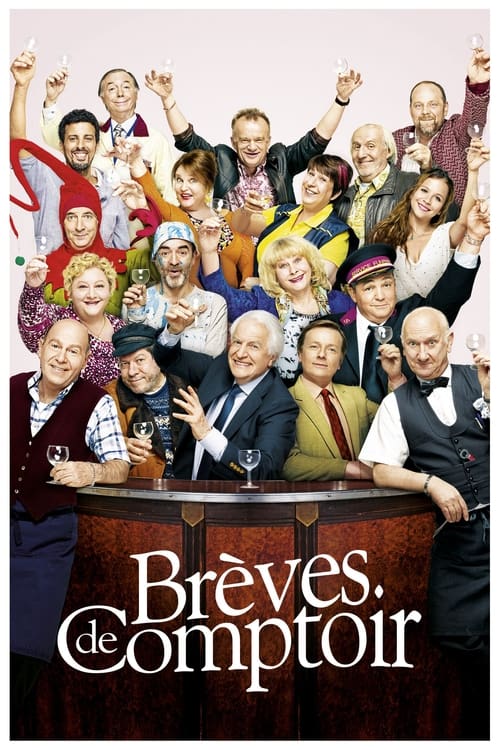
Brèves de comptoir
2014
No user ratings available yet
Diversity score: 3.5 out of 10
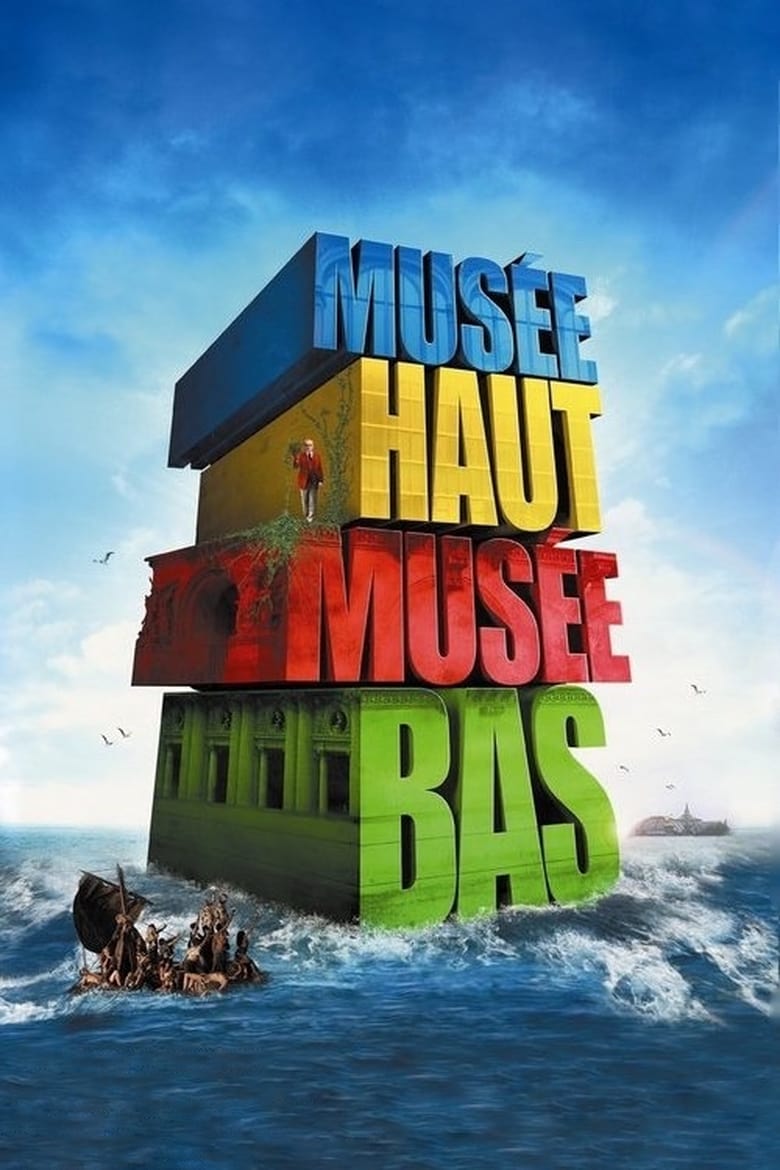
2008
Director
Jean-Michel Ribes
Runtime
93 minutes
Average Rating
No ratings yetSynopsis
Un conservateur terrorisé par les plantes vertes, une mère plastifiée pour être exposée, un ballet de Saintes Vierges, des gardiens épuisés par Rodin, un ministre perdu dans une exposition de sexes, une voiture disparue au parking Rembrandt, des provinciaux amoureux des Impressionnistes, touristes galopins galopant d'une salle à l'autre, passager clandestin dans l'art premier, Picasso, Gauguin, Warhol, ils sont tous là dans ce petit monde qui ressemble au grand, dans ce musée pas si imaginaire que ça, valsant la comédie humaine jusqu'au burlesque.
Overall Score
Fair
Category Breakdown
LGBTQ+ Representation
The film explores the fluidity of human desire through surreal scenarios, such as a minister lost in an exhibition of sexes. While specific same-sex identities are not explicitly detailed, the narrative suggests a preoccupation with breaking heteronormative boundaries.
Gender Representation
The film subverts traditional femininity by depicting a mother plastified for exhibition. This provocative choice critiques the objectification of women and strips away conventional domestic agency in favor of surrealist art.
Racial & Ethnic Diversity
The narrative engages with non-Western aesthetics through the inclusion of primitive art. However, the heavy emphasis on the Western canon, including Picasso and Gauguin, suggests a primarily Eurocentric framework.
Religious & Cultural Diversity
The film excels at cultural subversion by transforming a prestigious museum into a site of absurdity. It undermines institutional authority by portraying state leaders and guards as lost or exhausted.
Disability Representation
There is no explicit evidence regarding the portrayal of physical or neurodivergent disabilities within the narrative.
Strengths
Areas for Improvement
AI Analysis
Jean-Michel Ribes uses a burlesque lens to deconstruct the rigid hierarchies of Western cultural institutions. The film functions as a microcosm of society, using absurdity to challenge the sanctity of the museum space. While the work succeeds in subverting social roles and critiquing institutional stability, it remains anchored in a Eurocentric artistic tradition. The focus on Western masters limits the breadth of its racial and ethnic engagement. Ultimately, the film offers a progressive framework through its satire of social norms rather than through explicit, high-agency intersectional character studies.
2014
1967
2016
2008
2000

2020

1990
2011

2020
2008
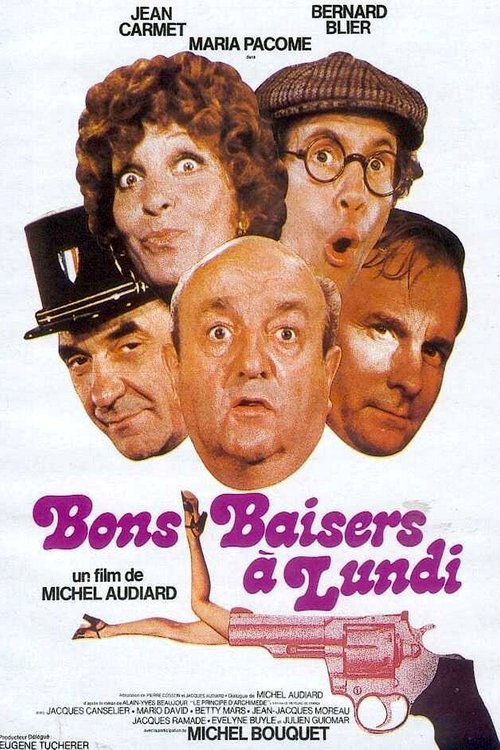
1974
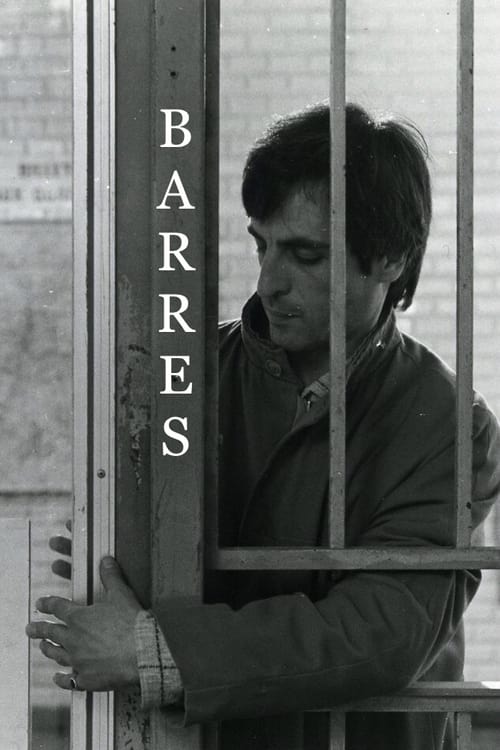
1984
No reviews yet. Be the first to share your thoughts on this movie!
Use the rating form above to leave a star rating and optional review.