
Je T'Aime John Wayne
2000
No user ratings available yet
Diversity score: 4.0 out of 10
1990
Director
Jean-Pierre Jeunet
Runtime
8 minutes
Average Rating
No ratings yetSynopsis
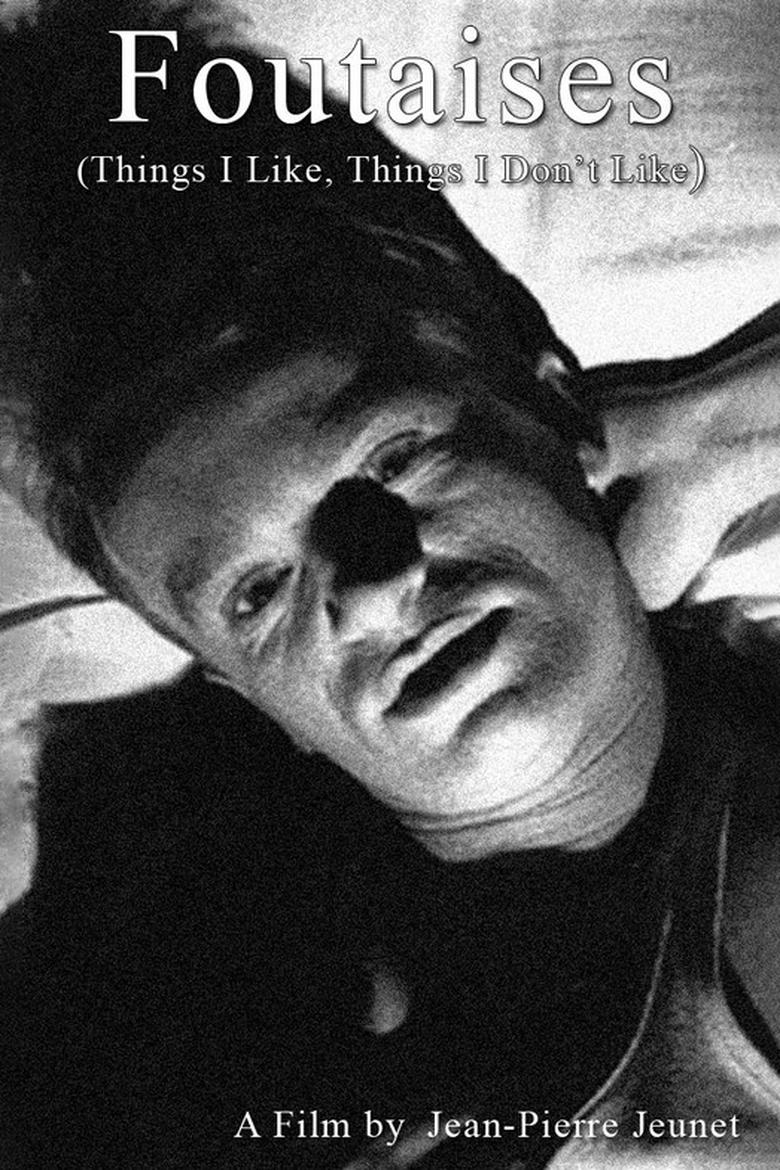
Dominique Pinon takes the viewer through various examples of what he "likes and dislikes."
Overall Score
Fair
Category Breakdown
LGBTQ+ Representation
The film's structure centers on subjective preference, which allows for non-traditional tastes. However, there is no explicit evidence of queer characters or specific non-heteronormative identities.
Gender Representation
The focus on internal preferences provides a platform to subvert social expectations. Detailed character arcs or gendered interactions are not present to confirm the subversion of hierarchies.
Racial & Ethnic Diversity
The film appears to be a localized, character-driven comedy. There is no evidence of a diverse or non-Anglo-Saxon majority cast within the available data.
Religious & Cultural Diversity
By prioritizing personal whims over social instruction, the film disrupts singular cultural standards. This emphasis on personal truth aligns with a postmodern, relativistic approach to storytelling.
Disability Representation
The film provides no information regarding the portrayal of physical disabilities or neurodivergence.
Strengths
Areas for Improvement
AI Analysis
Jean-Pierre Jeunet’s work often centers eccentric perspectives, and this short film follows that trend by focusing on the subjective whims of Dominique Pinon. The narrative architecture is built around individual taste rather than traditional social norms. While the film challenges prescriptive ways of viewing the world through its focus on personal preference, it lacks explicit intersectional complexity. It functions more as a study of subjectivity than a diverse social commentary. Ultimately, the film's strength lies in its deconstruction of objective standards, even if it does not provide specific evidence of diverse casting or representation.
2000
2008

2008

2023

2019
1985
2013

2020
2007

2013
2012
2000
No reviews yet. Be the first to share your thoughts on this movie!
Use the rating form above to leave a star rating and optional review.