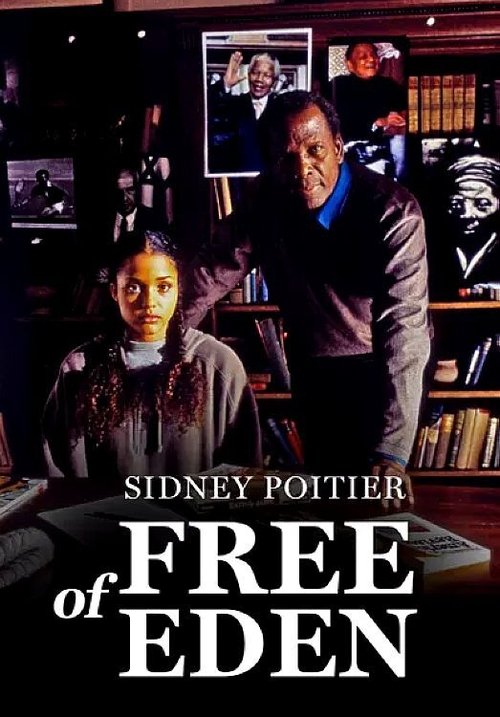
Free of Eden
1999
No user ratings available yet
Representation score: 4.3 out of 10
Representation Score
Limited
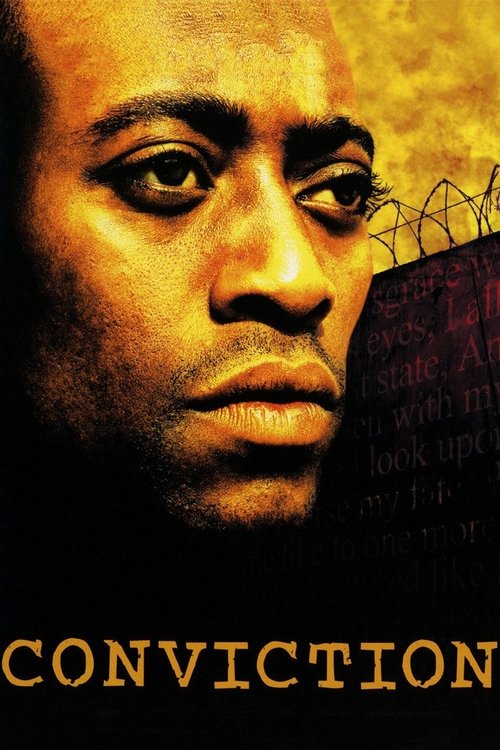
2002
RDirector
Kevin Rodney Sullivan
Runtime
99 minutes
Average Rating
No ratings yetNew Showbiz Analysis
Conviction provides a nuanced perspective on how racial identity and gender intersect with institutional power. By focusing on a Black female protagonist, the film challenges the historical homogeneity often found in legal dramas and critiques systemic bias in the American South. However, the film’s diversity is limited by its narrow focus. The complete absence of LGBTQ+ and disability representation significantly reduces the overall score, despite the strong thematic work regarding racial and gendered ability to act.
Category Breakdown
The film does not include any LGBTQ+ characters or storylines. It does not explore non-straight identities or challenge assumptions about straight relationships.
Beulah Mae Williams is a central female character who navigates a male-dominated legal and prison system. The story highlights her resilience and ability to drive the narrative despite systemic obstacles.
The film centers around a Black female protagonist set in the mid-20th-century American South. It uses her experiences to critique systemic racial biases and judicial errors.
The film critiques the American judicial system as a flawed institution. It explores themes of systemic injustice and the vulnerability of individuals within legal frameworks.
There is no representation of physical, neurodivergent, or mental health disabilities within the narrative.
Present on Screen
Limited or Absent
Official Synopsis
The story of Carl Upchurch who experiences jail as a young adult. While in prison, a compassionate teacher helps turn his life around through education and religion. He in turn is inspired to help other troubled youths.
1999

1938
2002
1992
1987

2003
2008

2013
No reviews yet. Be the first to share your thoughts on this movie!
Use the rating form above to leave a star rating and optional review.