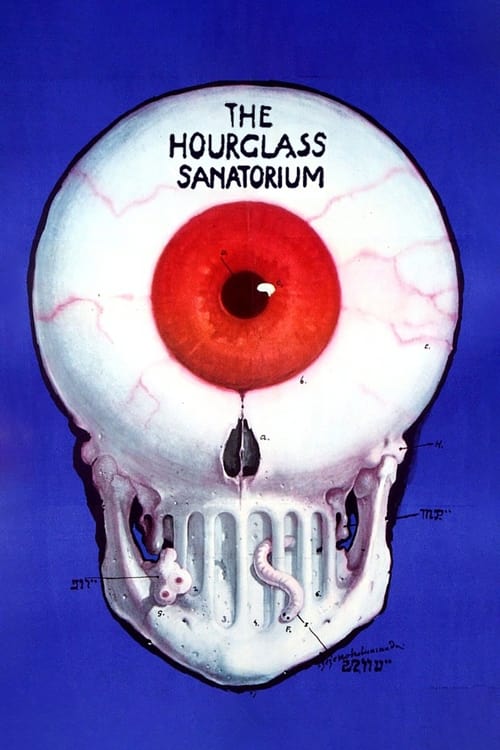
The Hourglass Sanatorium
1973
No user ratings available yet
Representation score: 6.0 out of 10

Representation Score
Limited
1980
Director
Tadeusz Junak
Runtime
89 minutes
Average Rating
No ratings yetNew Showbiz Analysis
The Palace is a period drama rooted in a specific European historical context. Its surrealist structure offers a unique way to deconstruct traditional power and institutional history through a dream-like lens. While the film features a notable female cast, it lacks characters who reflect more than one aspect of diversity. The narrative prioritizes a singular, psychological experience over a diverse range of identities. Ultimately, the film reflects the demographic homogeneity of 1944 Poland. It serves more as a study of historical memory and subjective morality than as a vehicle for modern social diversity.
Category Breakdown
The film does not include any LGBTQ+ characters or stories about non-cisgender identities. The story centers around a single protagonist’s psychological journey set in a historical context.
The film includes several prominent actresses, suggesting a strong female presence. However, it does not explicitly challenge traditional gender hierarchies.
The story is set in 1944 Poland, where there is no evidence of non-white actors or diverse ethnic representation.
The film’s surrealist setting in an abandoned palace critiques traditional aristocratic structures. This dream-like approach explores historical memory and decaying institutions.
There is no information about the portrayal of physical, neurodivergent, or mental health conditions in this film.
Present on Screen
Limited or Absent
Official Synopsis
Set in 1944. A shepherd boy enters an abandoned palace he has seen only from the distance since he was a boy. Once he enters the palace, strange things begin to happen as though he was dreaming the events rather than living them.
1973

1973

1959
1986

1984

1959

1984
1997
No reviews yet. Be the first to share your thoughts on this movie!
Use the rating form above to leave a star rating and optional review.