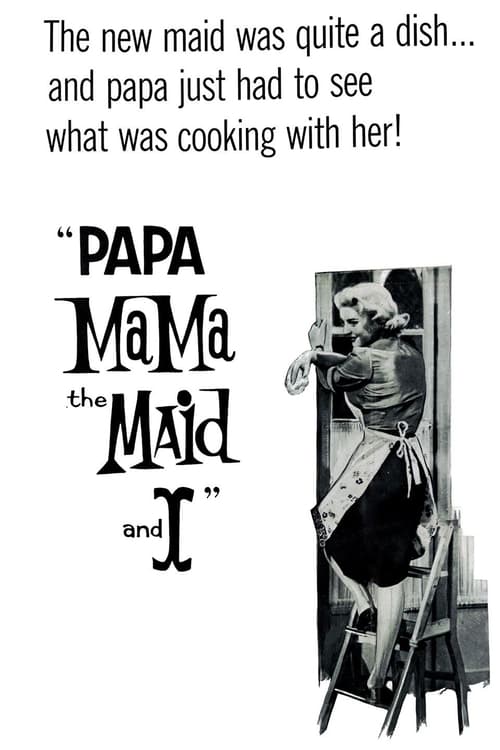
Papa, Mama, the Maid and I
1954
No user ratings available yet
Representation score: 2.1 out of 10

Representation Score
Minimal
1974
Director
José Luis Sáenz de Heredia
Runtime
0 minutes
Average Rating
No ratings yetNew Showbiz Analysis
Cuando los niños vienen de Marsella operates within the conventional social and narrative frameworks of 1974 Spanish cinema. As a comedy-romance, it adheres to the mainstream clichés of the time without challenging them. The film focuses on traditional structures like the nuclear family, typical for the period's commercial output. Ultimately, it reflects the demographic norms of the era, providing a conventional storytelling experience.
Category Breakdown
The film does not include any characters with LGBTQ+ identities or narratives that explore queer experiences.
The film features strong female leads like Sara Lezana but does not subvert traditional gender roles or hierarchies.
The production reflects the demographic homogeneity of 1970s Spanish cinema, with limited evidence of diverse racial or ethnic casting.
The narrative reinforces traditional Western institutions and social norms, showing no secularist or anti-capitalist themes.
There is no information available regarding the portrayal of characters with physical or neurodivergent disabilities.
Present on Screen
Limited or Absent
1954
1966
1974

1962
1966
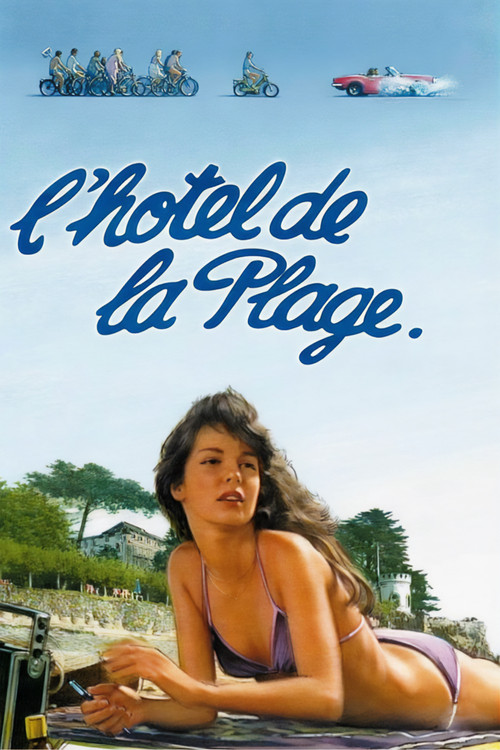
1978
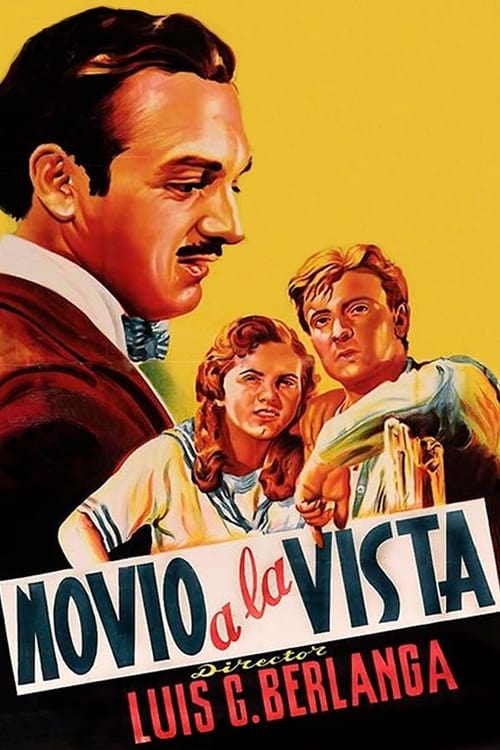
1954
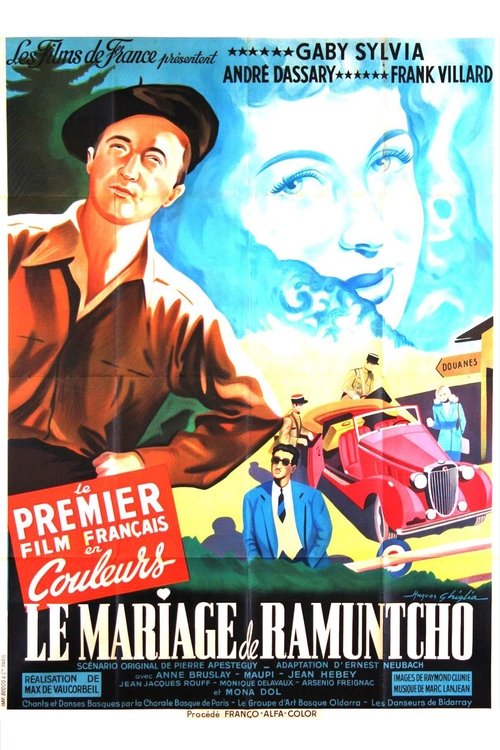
1947
No reviews yet. Be the first to share your thoughts on this movie!
Use the rating form above to leave a star rating and optional review.