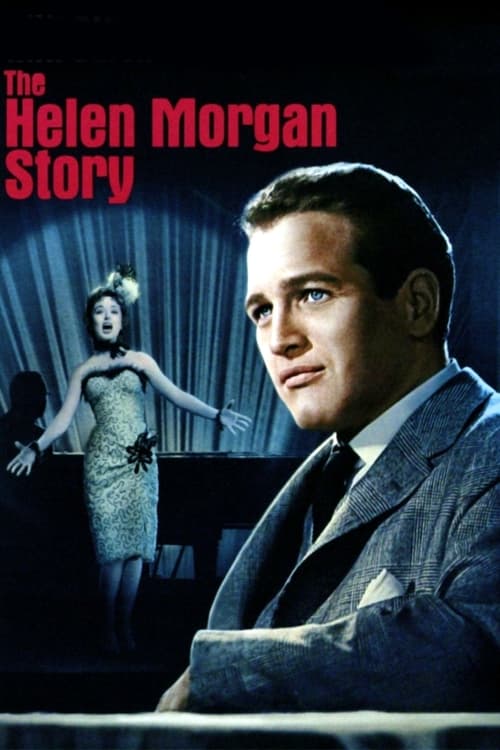
The Helen Morgan Story
1957
No user ratings available yet
Diversity score: 2.0 out of 10

1929
PassedDirector
Millard Webb
Runtime
68 minutes
Average Rating
No ratings yetSynopsis
The story of Mamie Hudler, aka Rodeo West, from her days as a New Orleans singer to a California Western movie cowgirl, star to the queen of the New York City nightclubs and speakeasies. Considered a lost film.
Overall Score
Limited
Category Breakdown
LGBTQ+ Representation
The film lacks any evidence of non-cisnormative identities. The narrative focuses exclusively on a female protagonist's romantic and professional journey.
Gender Representation
Mamie Hudler serves as a central female figure, yet her journey emphasizes performing femininity for public consumption. The story follows standard period tropes of female stardom.
Racial & Ethnic Diversity
While set in diverse locations like New Orleans, the narrative relies on white-centric archetypes like the Western cowgirl. There is no indication of a non-white majority cast.
Religious & Cultural Diversity
The film captures the nightlife and speakeasy culture of the late 1920s. It celebrates individual social climbing rather than critiquing the era's social structures.
Disability Representation
There is no information regarding the inclusion of characters with visible or invisible disabilities.
Strengths
Areas for Improvement
AI Analysis
The film follows a traditional rags-to-riches trajectory, centering on Mamie Hudler's ascent from a regional singer to a high-society nightclub star. This narrative structure mirrors the standard Hollywood 'star is born' trope, focusing on individual upward mobility and fame. Because the film is considered lost, much of its specific nuance is unverified. However, the established synopsis suggests a reliance on conventional 1929 cinematic standards and archetypal storytelling rather than intentional subversion of social norms. The production lacks intersectional complexity, prioritizing a singular pursuit of status within existing capitalist and social structures of the era.
1957
1941
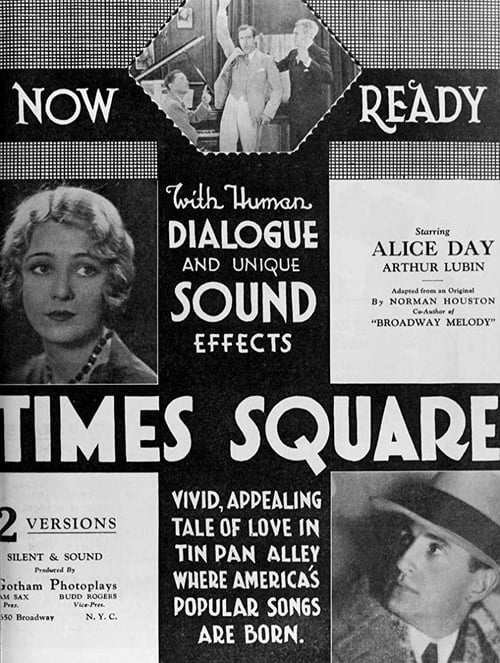
1929
1934

1947
1933
1930
1934
No reviews yet. Be the first to share your thoughts on this movie!
Use the rating form above to leave a star rating and optional review.