
Wonder Bar
1934
No user ratings available yet
Diversity score: 2.2 out of 10
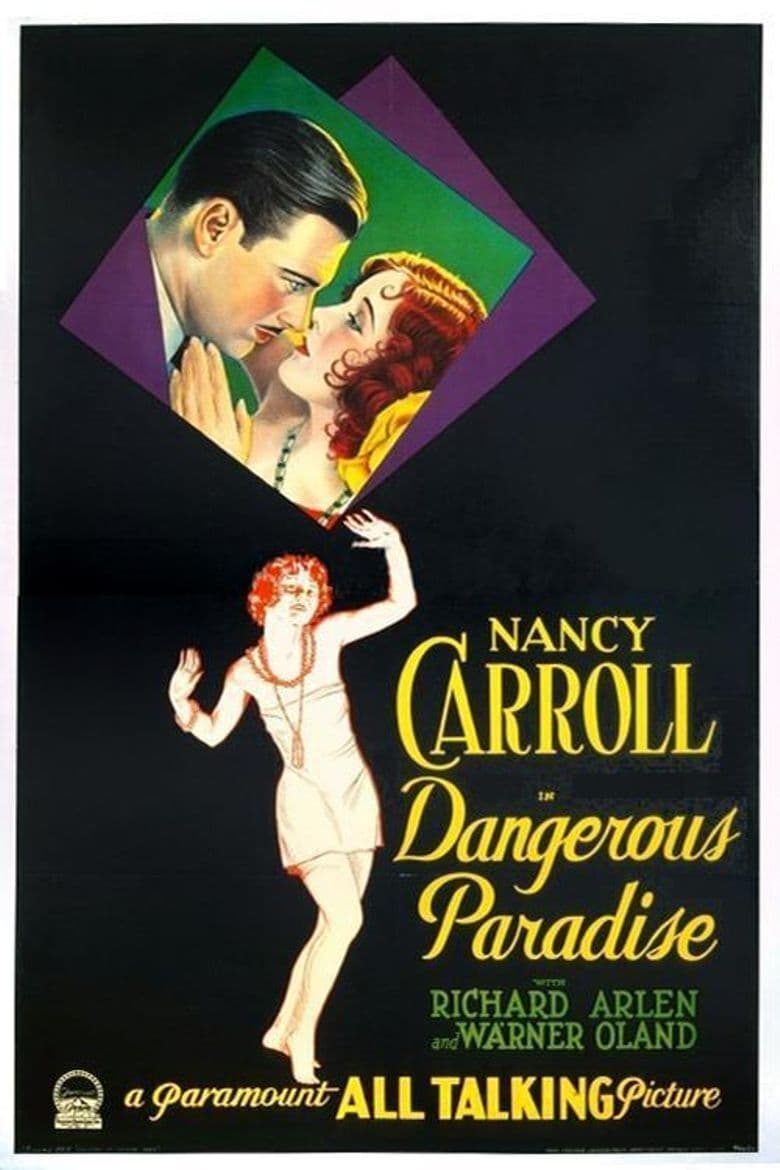
1930
PassedDirector
William A. Wellman
Runtime
58 minutes
Average Rating
No ratings yetSynopsis
Heyst, a hermit on his own tropical island, plays unwilling host to red-headed stowaway Alma. Danger looms...
Overall Score
Fair
Category Breakdown
LGBTQ+ Representation
The film lacks LGBTQ+ characters or non-heteronormative identities. The central tension relies entirely on traditional romantic and sexual dynamics between the male hermit and the female stowaway.
Gender Representation
A survivalist setting allows female characters to exhibit increased agency and aggressive autonomy. The narrative disrupts conventional hierarchies by stripping away civilized decorum in favor of primal power struggles.
Racial & Ethnic Diversity
The cast includes a diverse array of shipwrecked passengers, yet representation remains tied to era-specific tropes. These differences primarily serve to highlight the breakdown of Western social order.
Religious & Cultural Diversity
The story explores moral relativism by placing characters in a vacuum devoid of formal law or religious oversight. It suggests that civilized structures are fragile constructs easily discarded for necessity.
Disability Representation
There is no evidence of characters with visible or invisible disabilities driving the narrative or serving as central plot devices.
Strengths
Areas for Improvement
AI Analysis
Dangerous Paradise functions as a study of social deconstruction through its remote tropical setting. By removing the constraints of institutionalized morality, the film allows for a renegotiation of power and gender roles that deviates from standard 1930s decorum. However, the film's progressive narrative elements are tempered by the era's limitations. While it challenges Western social hierarchies, it relies on cinematic tropes when handling diverse ethnicities and lacks depth in non-Western character development. Ultimately, the film is a transitional work that uses a survivalist environment to explore situational ethics, even as it remains constrained by the period's narrow representation of identity.
No reviews yet. Be the first to share your thoughts on this movie!
Use the rating form above to leave a star rating and optional review.