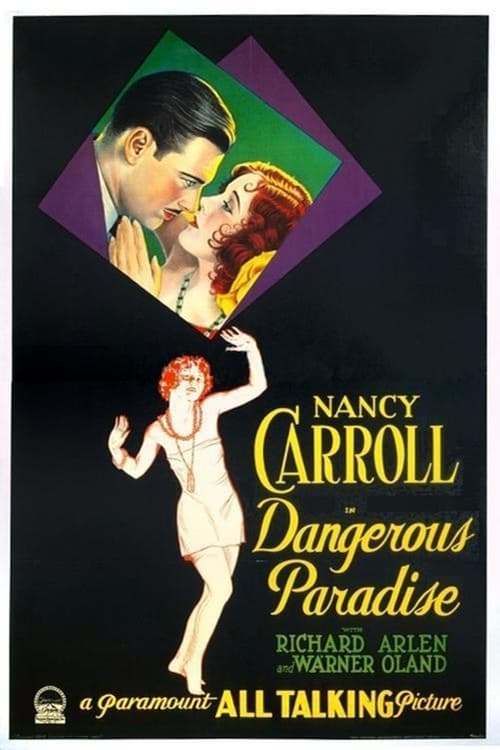
Dangerous Paradise
1930
No user ratings available yet
Diversity score: 4.3 out of 10
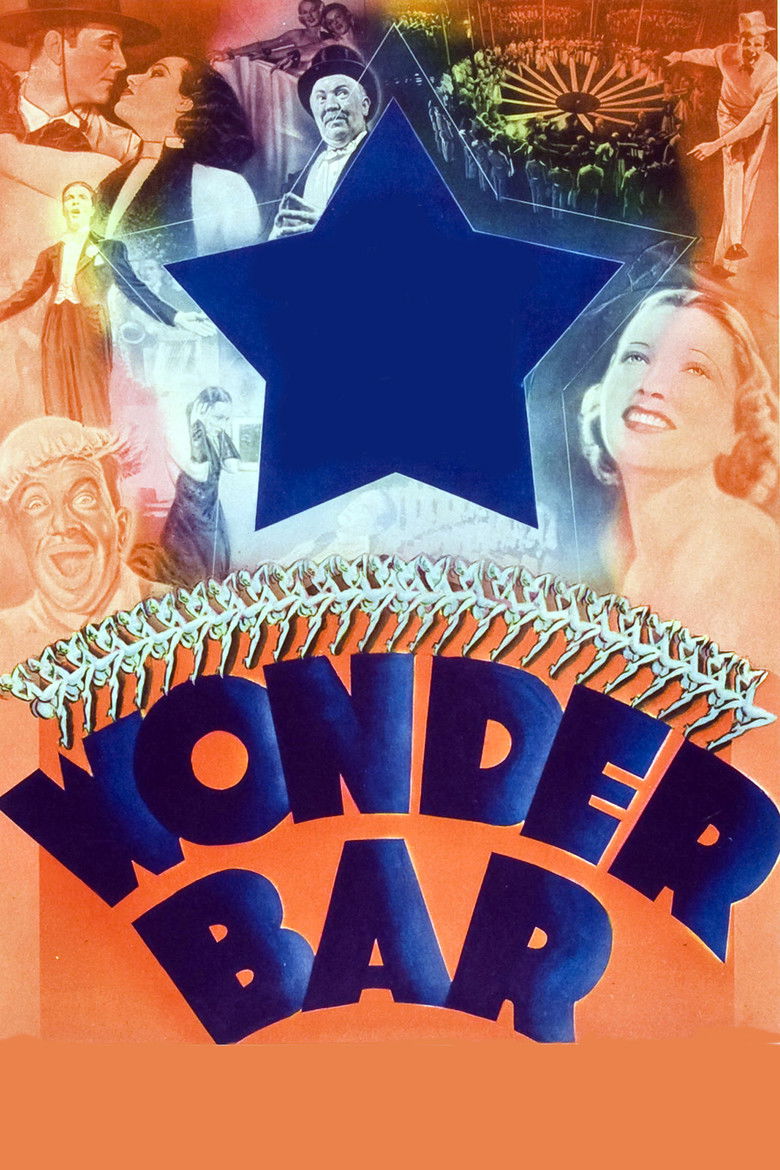
1934
NRDirector
Lloyd Bacon
Runtime
84 minutes
Average Rating
No ratings yetSynopsis
Harry and Inez are a dance team at the Wonder Bar. Inez loves Harry, but he is in love with Liane, the wife of a wealthy business man. Al Wonder and the conductor/singer Tommy are in love with Inez. When Inez finds out that Harry wants to leave Paris and is going to the USA with Liane, she kills him.
Overall Score
Limited
Category Breakdown
LGBTQ+ Representation
The film adheres to strict heteronormative structures. The plot centers on a conventional romantic triangle involving Harry, Inez, and Liane, with no evidence of non-cisnormative identities.
Gender Representation
Female lead Inez displays agency through a climactic, violent act. However, this is framed as personal melodrama rather than a systemic subversion of patriarchal structures.
Racial & Ethnic Diversity
The casting of Dolores del Río provides meaningful ethnic representation for the era. While the setting is Paris, the film avoids explicit engagement with racial identity or post-colonialism.
Religious & Cultural Diversity
The film serves as mainstream musical escapism. It uses historical Paris as a backdrop for entertainment without critiquing Western institutions, religion, or state power.
Disability Representation
Characters are presented as able-bodied performers. There are no visible or invisible disabilities integrated into the character arcs or narrative.
Strengths
Areas for Improvement
AI Analysis
Wonder Bar is a quintessential product of the early studio system, prioritizing musical spectacle and romantic melodrama over social commentary. The narrative relies on traditional storytelling and conventional social dynamics typical of 1934. While the film lacks progressive intersectional themes, it does offer a notable instance of ethnic inclusion through its lead actress. This presence disrupts the era's typical Hollywood homogeneity, even if the plot remains focused on romantic utility. Ultimately, the film maintains a traditionalist framework. The agency shown by the female lead is localized to a single dramatic event rather than a broader deconstruction of gendered power.
No reviews yet. Be the first to share your thoughts on this movie!
Use the rating form above to leave a star rating and optional review.