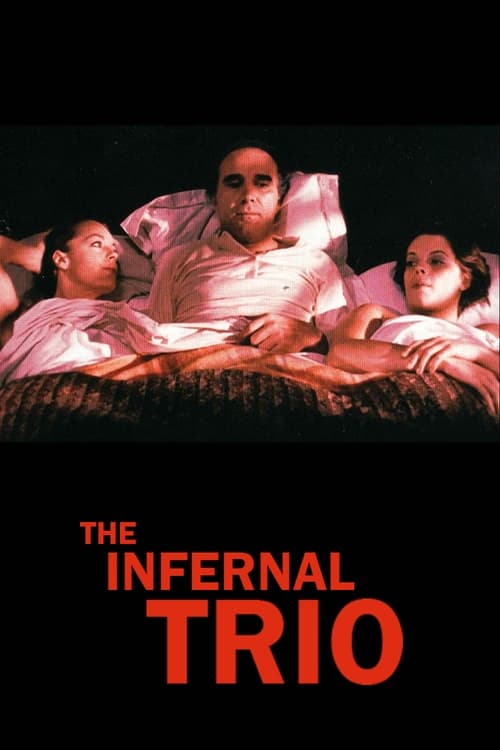
The Infernal Trio
1974
No user ratings available yet
Diversity score: 4.7 out of 10
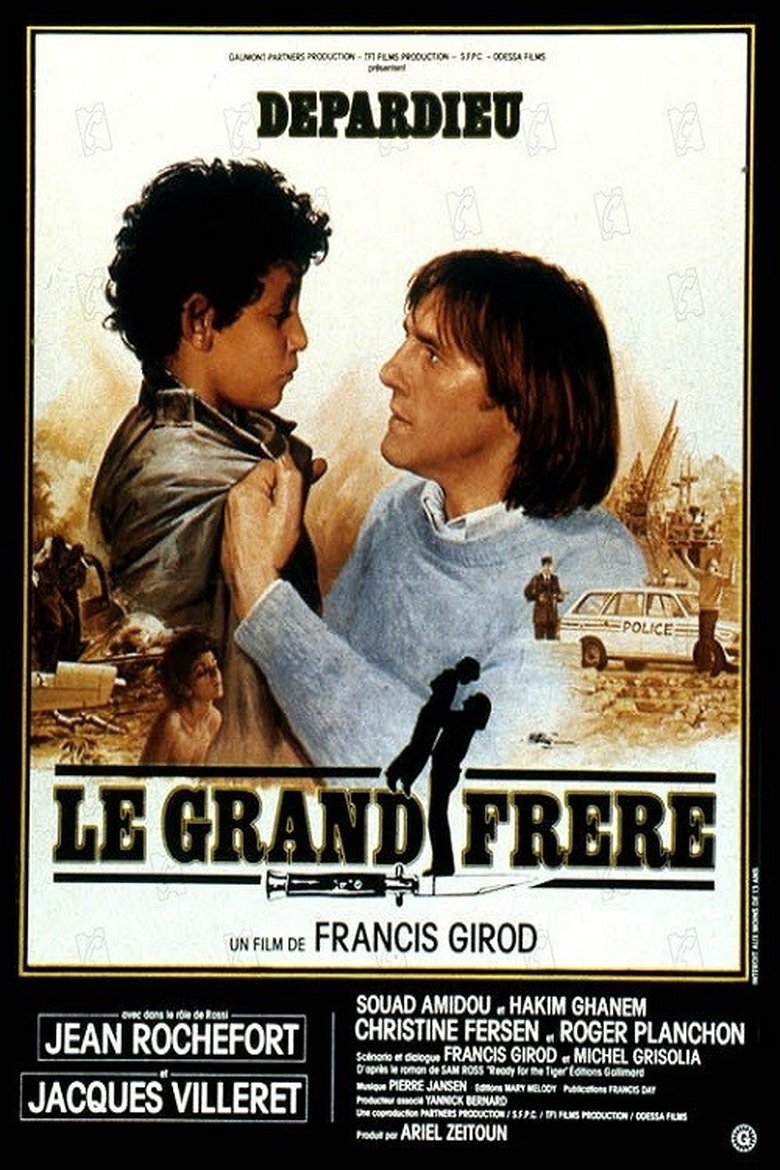
1982
Director
Francis Girod
Runtime
115 minutes
Average Rating
No ratings yetSynopsis
The plot in this story weaves around like a New Year's reveler at four in the morning, heading first in one direction and then in another, with the intention of going home if things would just stop moving. Bernard (Gerard Depardieu) is a doctor whose Hippocratic oath was a hypocritic failure -- the not-so-good doctor kills his wife because she is having an affair, and he kills her lover too. Then he joins the French Foreign Legion. On his way to the former French colonies in Africa, the plane he is in crashes, and Rossi, a "friend" on the plane with some overweight in carry-on money, shoots Bernard and takes off, leaving him for dead. He is nursed back to life and health by friendly villagers and just his luck, he not only manages to make his fortune in Africa, he also nabs a French passport from a dying man who will clearly not need it anymore unless the Pearly Gates have a French guard.
Overall Score
Fair
Category Breakdown
LGBTQ+ Representation
The narrative focuses on heteronormative conflict, specifically centered on infidelity and domestic violence. There is no evidence of LGBTQ+ characters or narratives that critique heteronormativity.
Gender Representation
The film adheres to traditional gender hierarchies. The female character serves primarily as a catalyst for the male protagonist's violent arc, acting as a passive object of rage.
Racial & Ethnic Diversity
The story moves from Europe to former French colonies in Africa. While non-Western populations appear as friendly villagers, the focus remains on the European protagonist's journey.
Religious & Cultural Diversity
The film demonstrates moral relativism by framing a murderer as a protagonist who succeeds. It rejects singular Christian morality in favor of situational ethics and survivalism.
Disability Representation
The protagonist undergoes physical trauma from a plane crash and a shooting. However, these elements function as plot devices rather than explorations of disability.
Strengths
Areas for Improvement
AI Analysis
The film functions as a character study of moral decay, subverting the archetype of the competent professional. It avoids traditional heroic tropes by presenting a deeply flawed, anti-social protagonist who rises through theft and deception. While the narrative deconstructs traditional morality and institutional stability, it lacks intersectional depth. The story relies on established tropes, such as using African settings as backdrops for European reinvention, which limits its progressive impact. Ultimately, the work prioritizes psychological nuance and moral ambiguity over the intentional representation of marginalized identities, resulting in a score that reflects its narrow, character-driven focus.
1974
1959
2006
2005
1987
1966
1974

1997
1960
1978
1985
1976
No reviews yet. Be the first to share your thoughts on this movie!
Use the rating form above to leave a star rating and optional review.