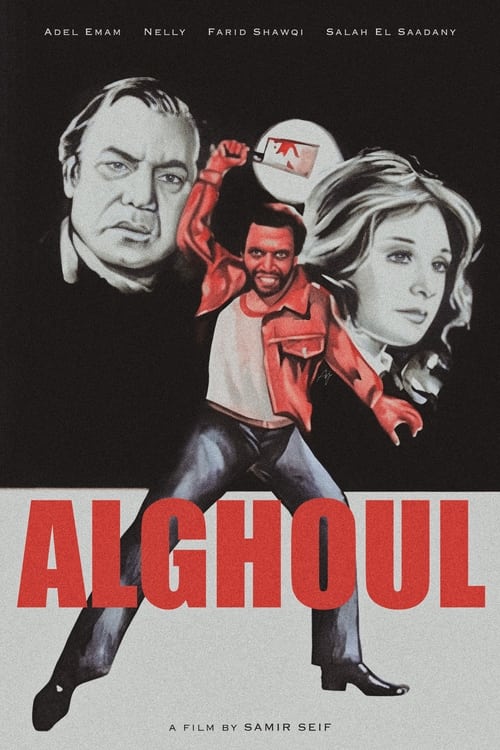
The Ghoul
1983
No user ratings available yet
Representation score: 3.6 out of 10
Representation Score
Limited
1984
Director
Samir Seif
Runtime
120 minutes
Average Rating
No ratings yetNew Showbiz Analysis
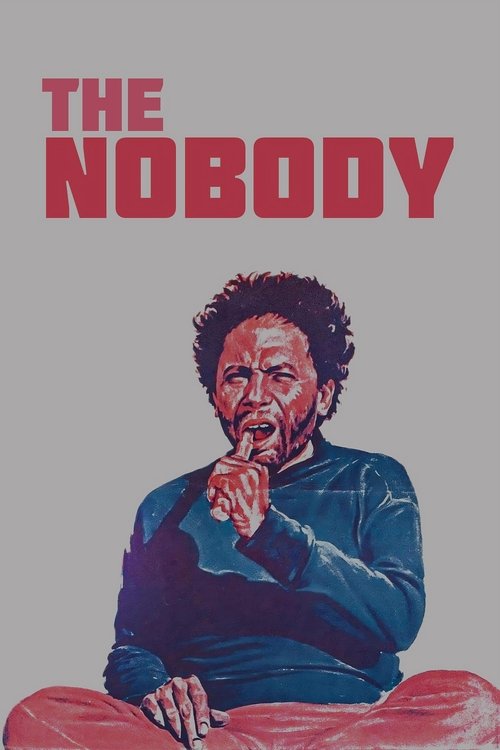
The Nobody is a class-driven social drama that emphasizes the struggles of the Egyptian working class rather than diverse identity politics. It successfully challenges socio-economic hierarchies by pitting a lowly porter against corrupt, wealthy institutions. However, the film lacks depth in gender and LGBTQ+ representation. Female characters appear to have limited influence, serving mostly to drive the male protagonist's personal arc. The narrative remains grounded in traditional masculine archetypes and social norms. Ultimately, the film's strength lies in its specific cultural context and its critique of systemic corruption, even if it doesn't meet contemporary standards for diverse representation.
Category Breakdown
The film doesn't include any LGBTQ+ characters or narratives that question the assumption that everyone is straight or cisgender.
The story focuses on male characters and traditional masculine roles. Warda, though important, mainly serves to drive the male protagonist's journey.
As an Egyptian production, the film centers on Egyptian society and explores local social hierarchies and class differences.
The story criticizes the corruption of wealthy elites by focusing on a underrepresented porter. It highlights the vulnerability of the working class due to systemic issues.
The film does not feature any characters with physical or neurodivergent disabilities.
Present on Screen
Limited or Absent
Official Synopsis
The porter (Arafa) suffers from sexual deprivation. He marries the infamous widow (Warda) but his work efficiency is reduced due to frequent sleep with his wife. Morsi arrives in the town and meets Arafa and his friend, the railway worker, Dasouki, to ask them about the bully Asran. They know that Morsi was commissioned by the wealthy Kilani to hire Asran To kill the contractor Fuad Minawi. Arafa claims that he is Asran and receives 2,000 pounds as a down payment to complete the process. Morsi discovers the trick and a battle between Arafa and Asran breaks out. Asran gets killed, but the medical report confirms that Asran died of a heart attack. Kilani asks Arafa to complete the crime, but Arafa refuses, and one of Kelani's agents kills Dasouki and fails to kill Arafa. Arafa decides to take revenge for killing Desouki.
1983
1968

1991
1974
1991
1949

2018
1984
No reviews yet. Be the first to share your thoughts on this movie!
Use the rating form above to leave a star rating and optional review.