Outlaws - For Greater Glory
2012
No user ratings available yet
Representation score: 1.5 out of 10
Representation Score
Limited
2011
Director
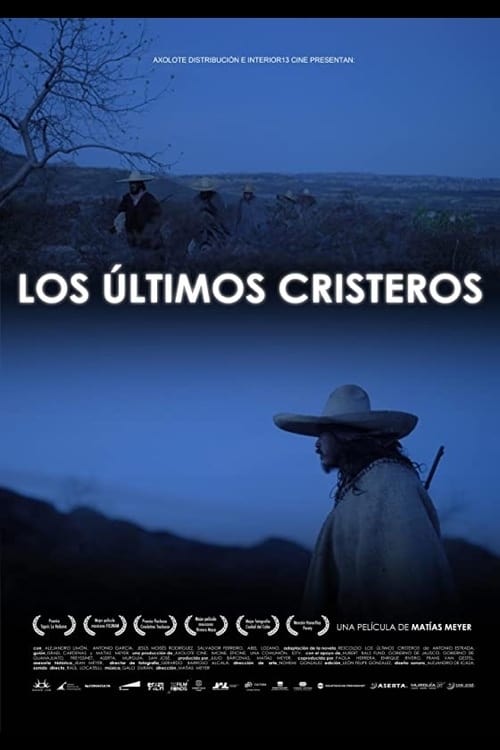
Matías Meyer
Runtime
89 minutes
Average Rating
No ratings yetNew Showbiz Analysis
The film excels as a localized historical drama that emphasizes regional authenticity and Mexican identity. By focusing on the Cristero War, it provides a narrative that avoids Western-centric clichés. However, the adherence to traditional conflict structures and the social norms of 1925 limits its scope regarding contemporary social diversity. The focus on religious preservation and masculine archetypes results in lower scores for modern progressive standards. Ultimately, the work serves as a specific historical study rather than a broad exploration of contemporary social diversity.
Category Breakdown
The film does not include any LGBTQ+ characters or narratives that challenge traditional heterosexual relationships. Given its 1925 setting and religious focus, the story aligns with the social norms of that time.
The story centers around rebels and fighters, roles that traditionally favor masculine figures. There is no evidence of women taking leading roles or challenging traditional gender hierarchies.
The film achieves high ethnic representation by focusing on a Mexican historical event. It emphasizes Mexican identity and ability to act, moving away from Western-centric views.
The story highlights the defense of religious practices against state restrictions. It portrays the struggle for religious freedom as a central human right without criticizing religious institutions.
There is no mention of characters dealing with physical, sensory, or neurodivergent disabilities within the narrative.
Present on Screen
Limited or Absent
Official Synopsis
The plot occurs around 1925 in Mexico when the Mexican government decides to severely restrict religious freedoms. It is the story of a few rebels, The Cristeros that fight for the right to freely and publicly practice their Catholic faith. The movie follows a few of those rebels with their doubts and their struggles. The movie is loosely based on true historical facts.
2012
2010
2013

1928
2021
2020
1947

2009
No reviews yet. Be the first to share your thoughts on this movie!
Use the rating form above to leave a star rating and optional review.