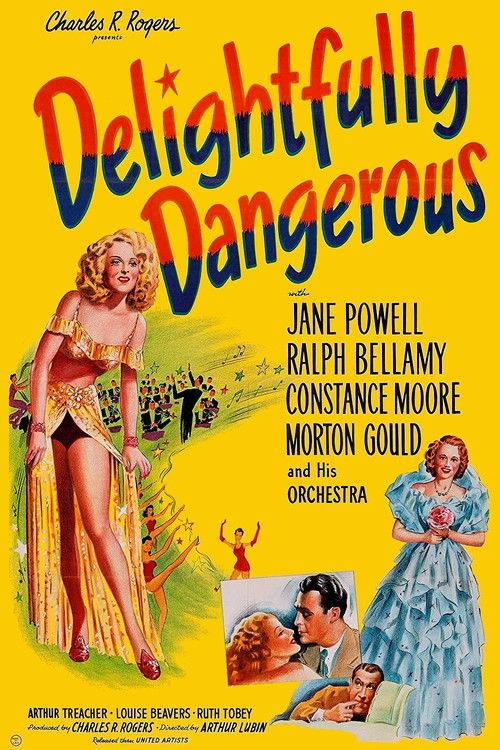
Delightfully Dangerous
1945
No user ratings available yet
Representation score: 1.8 out of 10
Representation Score
Minimal
1943
NRDirector
Norman Z. McLeod
Runtime
93 minutes
Average Rating
No ratings yetNew Showbiz Analysis
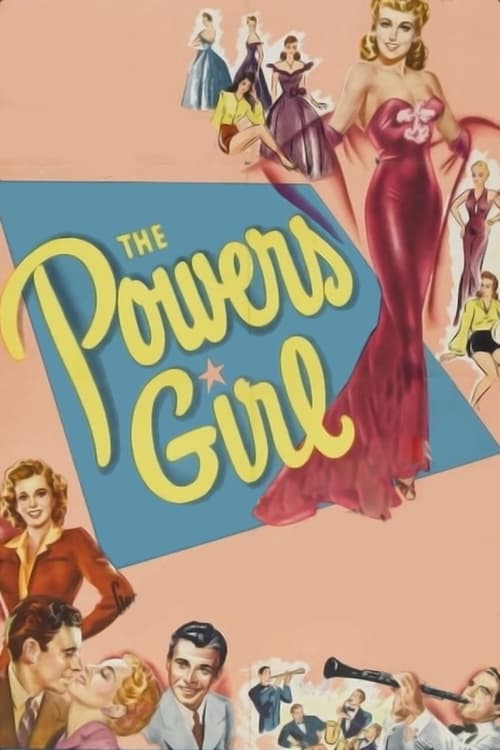
The Powers Girl is a product of the 1940s studio system, designed for entertainment rather than social critique. Its narrative structure relies heavily on established romantic clichés and traditional hierarchies. While female characters are central to the plot, their motivations are framed through the lens of competing for male affection. This limits the depth of gender representation by prioritizing romantic outcomes over broader ability to act. Furthermore, the film adheres to the era's standard of racial homogeneity and straight-centered storytelling. It functions as a conventional musical comedy that reinforces, rather than challenges, the social norms of its time.
Category Breakdown
The film does not include any LGBTQ+ identities or same-sex relationships. The plot revolves around a traditional love triangle involving two sisters and a male lead.
Female characters are central to the main conflict, but their influence is primarily focused on attracting male attention. Their motivations are driven by romantic pursuits rather than intellectual or professional goals.
The cast appears to be predominantly white, reflecting the homogeneous casting standards of the 1940s. The story centers on Anglo-Saxon protagonists and traditional Western social norms.
The story celebrates modern urban life and professional success within New York City. It upholds conventional social values without challenging existing Western institutions.
There is no information available regarding the inclusion of characters with physical or neurodivergent disabilities.
Present on Screen
Limited or Absent
Official Synopsis
Two small-town sisters who've come to New York City for very different reasons find themselves competing for the affections of a brash magazine photographer. Comedy.
1945
1933

1944
1954
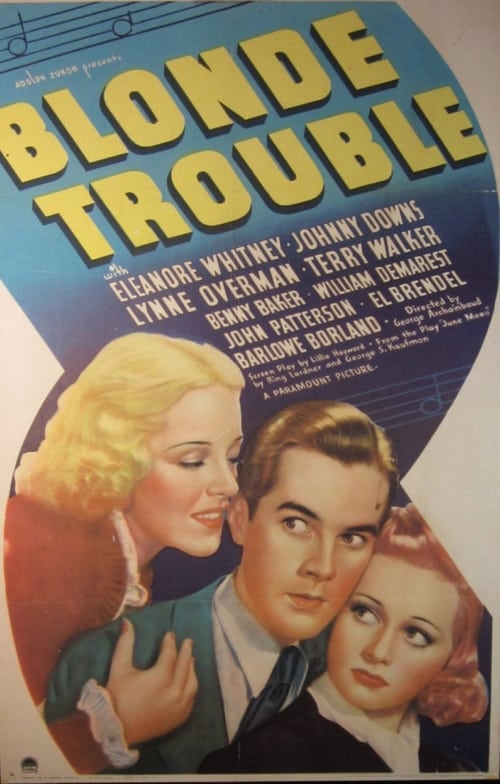
1937
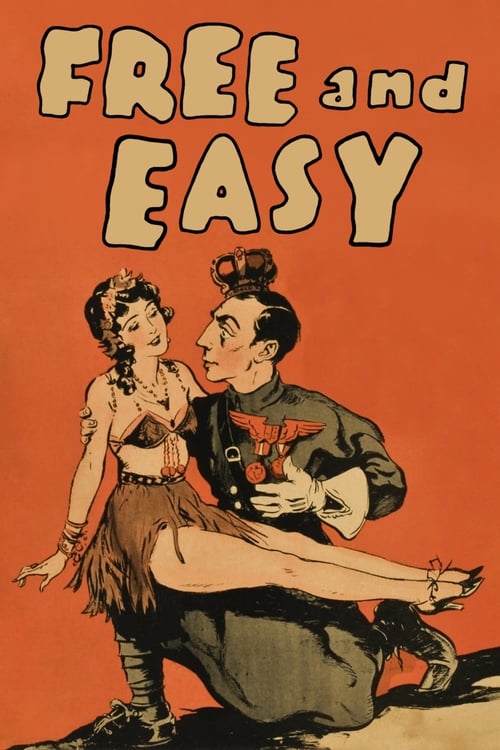
1930
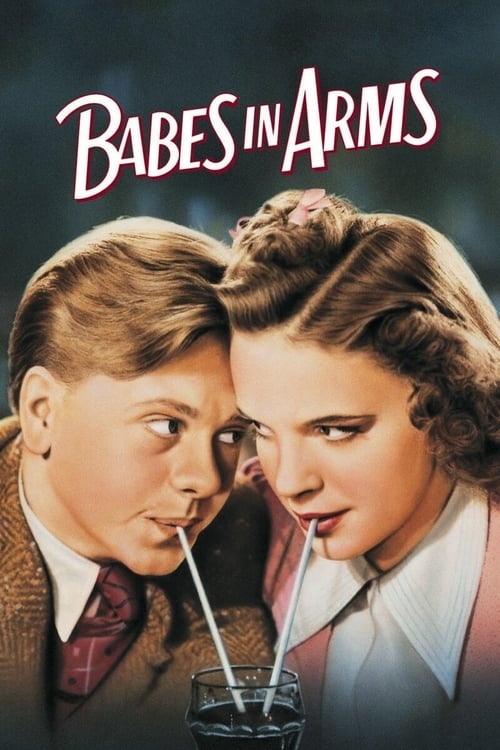
1939
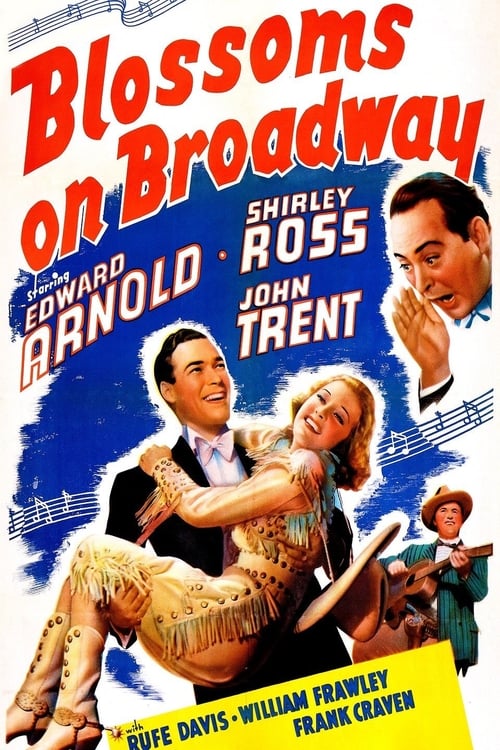
1937
No reviews yet. Be the first to share your thoughts on this movie!
Use the rating form above to leave a star rating and optional review.