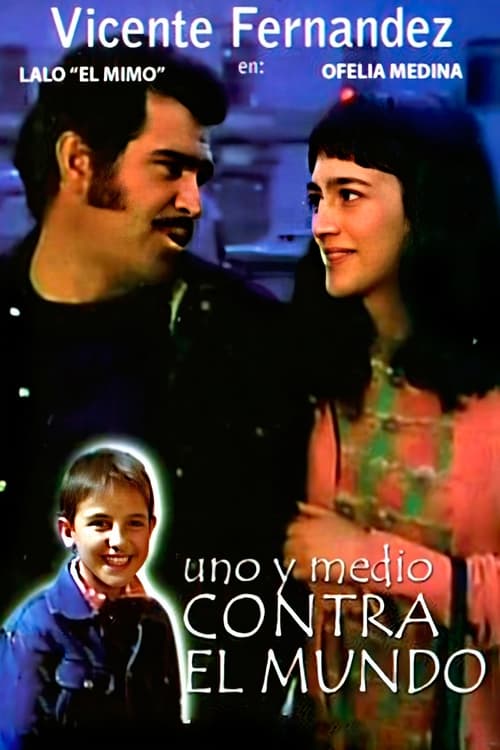
Uno Y Medio Contra El Mundo
1973
No user ratings available yet
Representation score: 4.9 out of 10
Representation Score
Limited
1959
Director
Rogelio A. González
Runtime
90 minutes
Average Rating
No ratings yetNew Showbiz Analysis
This film exemplifies mid-century Mexican urban comedy, emphasizing established social structures and romantic clichés. The narrative centers on stabilizing the family unit and resolving class-based conflicts through traditional means. While the film provides a culturally significant glimpse into 1950s Mexican life, it does not aim to challenge conventional gender or social expectations. It operates within the commercial and social frameworks of its time, reflecting the era's demographic and social norms.
Category Breakdown
The film follows the traditional romantic structures typical of 1959 Mexican cinema, with no indication of LGBTQ+ identities or narratives.
Gender roles adhere to mid-century conventions, with the female lead, Rosario, serving primarily as a partner in a domestic scenario without challenging existing hierarchies.
The cast reflects the predominant ethnic identity of the era's Mexican film industry, operating within a culturally specific framework without evident multi-layered diversity.
The plot emphasizes traditional social hierarchies and family units through philanthropic themes, resolving socioeconomic issues through a benefactor.
There are no visible or invisible disabilities among the main characters or in the synopsis.
Present on Screen
Limited or Absent
Official Synopsis
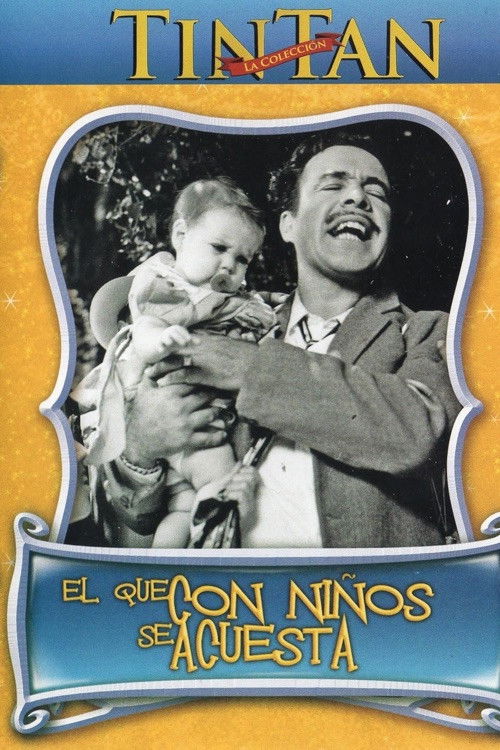
Chón is rejected by his girlfriend Rosario's parents, so they both escape to the capital in search of his friend Manny, a millionaire philanthropist, who helps him but makes him adopt four children from his orphanage.
1973
1975

1949

1955
1941
1951

1942
1949
No reviews yet. Be the first to share your thoughts on this movie!
Use the rating form above to leave a star rating and optional review.