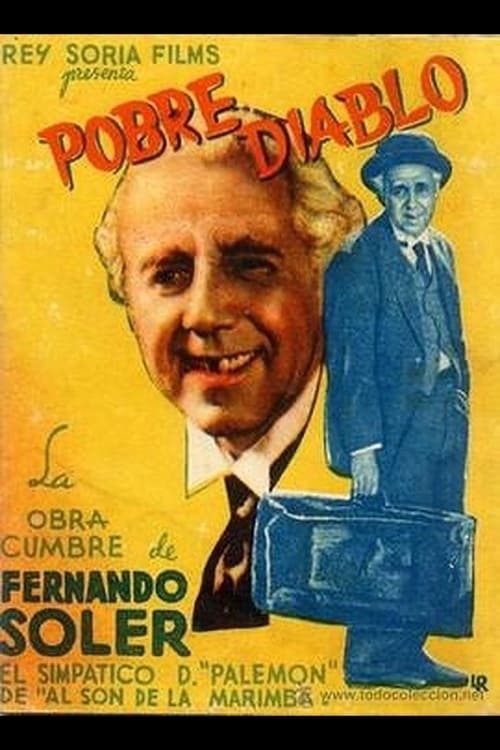
Pobre diablo
1940
No user ratings available yet
Representation score: 1.1 out of 10

Representation Score
Limited
1942
Director
Carlos Hugo Christensen
Runtime
78 minutes
Average Rating
No ratings yetNew Showbiz Analysis
Los chicos crecen is a traditional domestic drama that operates within the strict social and demographic norms of 1940s Argentina. The central conflict relies on a male-driven deception to preserve a veneer of respectability, limiting the scope of its social commentary. The film lacks multi-layered complexity, focusing instead on the instability of a domestic arrangement built on lies. While it touches on the subversion of family structures, it does so without offering a systemic critique of the era's social hierarchies.
Category Breakdown
The film does not include any explicit LGBTQ+ identities or dynamics that challenge the assumption that everyone is straight or cisgender. The plot revolves around a heterosexual marriage and a deception related to paternal roles.
The story centers on the male character's actions and his control over the narrative, reinforcing traditional patriarchal structures through his manipulation of social legitimacy.
The film likely reflects the demographic homogeneity of 1940s Argentine cinema, adhering to the Eurocentric casting standards of the time.
The story explores the theme of children born out of wedlock, which challenges religious morality. However, the deception ultimately serves to maintain a facade of social respectability.
There is no information regarding characters with physical, sensory, or neurodivergent disabilities.
Present on Screen
Limited or Absent
Official Synopsis
A married man takes advantage of his friendship with another man, making him pretend to be the father of the children he has out of wedlock.
1940
1942
1951
1972
1943
2016
1942
1939
No reviews yet. Be the first to share your thoughts on this movie!
Use the rating form above to leave a star rating and optional review.