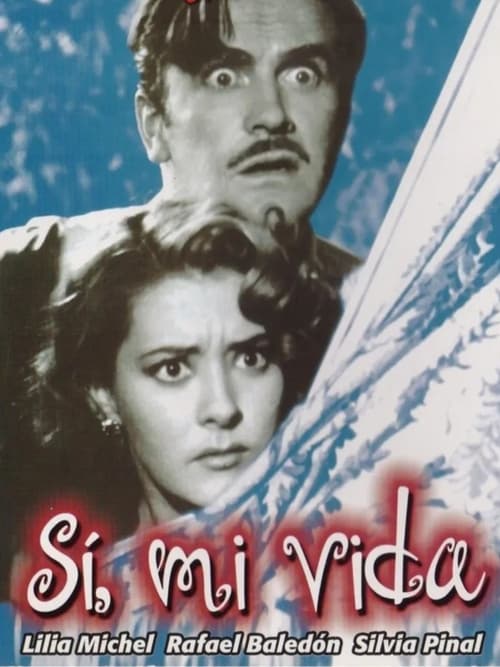
Si, Mi vida
1953
No user ratings available yet
Representation score: 3.0 out of 10
Representation Score
Minimal
1941
Director
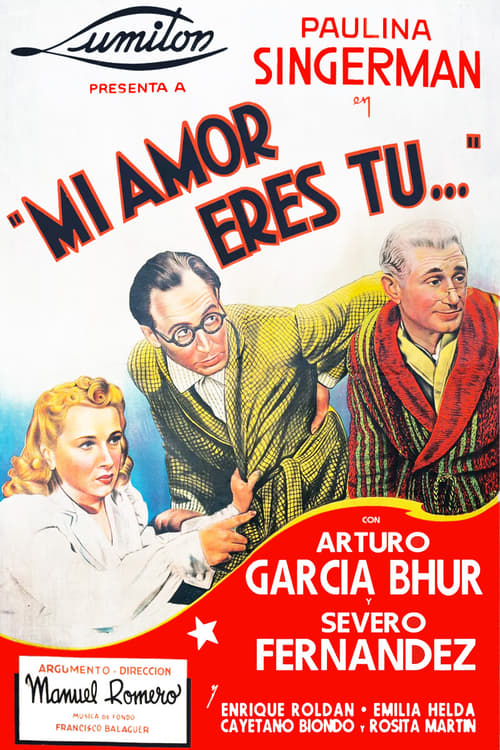
Manuel Romero
Runtime
83 minutes
Average Rating
No ratings yetNew Showbiz Analysis
Manuel Romero’s work in this period typically adheres to established genre conventions and commercial success. This romantic comedy follows traditional social hierarchies and narrative structures common to mid-century Argentine cinema. The film emphasizes personal growth through emotional connections rather than systemic critiques. It serves as a localized cultural product that reinforces, rather than challenges, the social order of its time. Overall, the production lacks complexity in reflecting multiple aspects of identity. It operates within a conventional framework that prioritizes traditional romantic stories over progressive representation.
Category Breakdown
There are no LGBTQ+ characters or narratives that question the assumption that everyone is straight or cisgender.
The story revolves around a strict tutor, reinforcing traditional male authority. It does not challenge or redistribute power based on gender roles.
The casting may reflect the demographics typical of 1940s Argentina. There is no indication of a multi-ethnic cast or exploration of racial dynamics.
The narrative follows traditional moral storytelling. It upholds social structures and mentorship without offering critiques of religious or cultural institutions.
The synopsis does not mention any characters with visible or invisible disabilities.
Present on Screen
Limited or Absent
Official Synopsis
An authoritarian tutor changes his behavior thanks to a young orphan with whom he ends up falling in love.
1953
1943
1941

2014
1954
1950
1959
1972
No reviews yet. Be the first to share your thoughts on this movie!
Use the rating form above to leave a star rating and optional review.