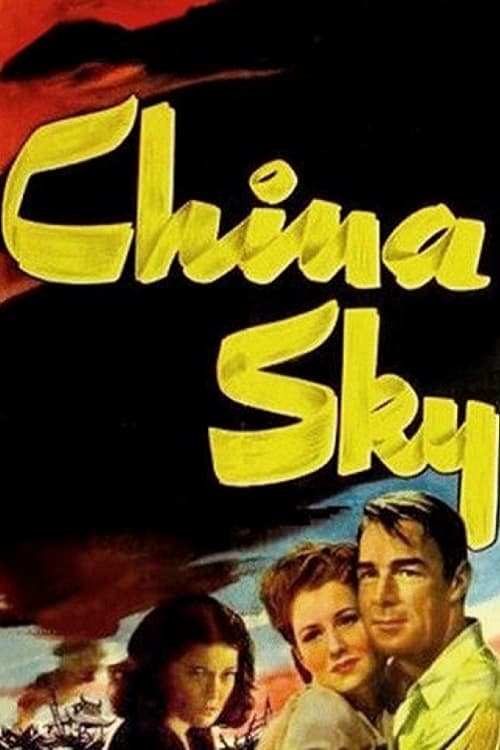
China Sky
1945
No user ratings available yet
Representation score: 1.9 out of 10
Representation Score
Minimal
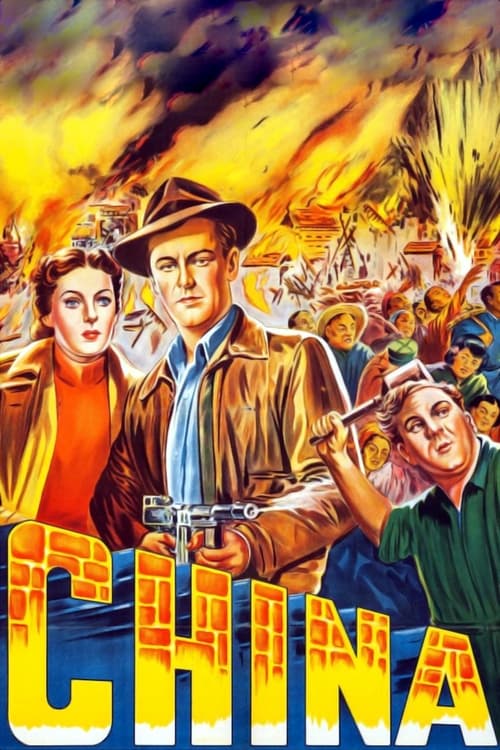
1943
NRDirector
John Farrow
Runtime
79 minutes
Average Rating
No ratings yetNew Showbiz Analysis
China is a classic 1940s wartime drama that emphasizes traditional heroism and clear moral distinctions. The story centers on the moral journey of Western characters, using the Chinese conflict as a backdrop for their personal growth. The film reinforces the social and religious hierarchies of its time. It relies on a Western-centric viewpoint, where missionary values serve as the primary moral compass during wartime. Overall, the film lacks complexity in representing diverse identities. It functions as a patriotic narrative that prioritizes Western moral duties over the autonomy of local populations.
Category Breakdown
The film does not include any LGBTQ+ characters or non-straight relationships. The romantic subplot revolves around a traditional relationship between Jones and Carolyn Grant.
Carolyn Grant is shown as a determined woman, but her strength is often linked to moral roles rather than leadership positions. Men continue to dominate geopolitical and leadership roles.
The film portrays the Second Sino-Japanese War from a Western perspective, focusing on the moral development of American expatriates rather than the Chinese experience.
Christian missionary work is emphasized as the main moral guide. The narrative upholds Western moral standards without critically examining Western intervention.
The film does not focus on characters with visible or invisible disabilities. There is no portrayal of neurodivergence or physical impairments.
Present on Screen
Limited or Absent
Official Synopsis
Shortly before Pearl Harbor, American opportunist Jones and partner Johnny are in China to sell oil to the invading Japanese army. Cynical about the sufferings of the Chinese, Jones meets compassionate teacher Carolyn Grant while travelling cross-country to Shanghai. Sparks fly between these strong-willed characters, neither budging an inch. But when Jones witnesses a Japanese atrocity, his feelings toward his customers (and Carolyn) begin to change...
1945
1932

1958
1957

1941

1974

1937

1966
No reviews yet. Be the first to share your thoughts on this movie!
Use the rating form above to leave a star rating and optional review.