
Sympathy for Mr. Vengeance
2002
No user ratings available yet
Representation score: 4.8 out of 10
Representation Score
Fair
2013
Director
Shin Jai-ho
Runtime
120 minutes
Average Rating
No ratings yetNew Showbiz Analysis
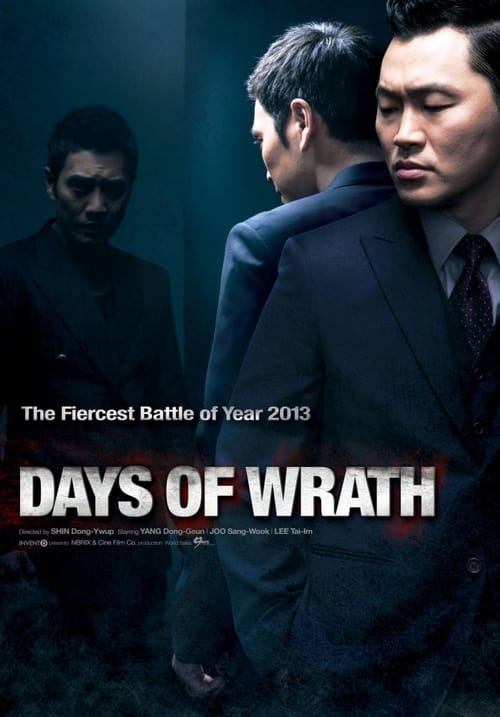
Days of Wrath operates as a conventional South Korean revenge thriller. The narrative structure revolves around individual trauma and interpersonal retribution, adhering to established genre clichés rather than exploring systemic social critiques. The film lacks significant depth in representing diverse identities, focusing instead on a male-dominated cycle of aggression. While it addresses the serious issue of school bullying, it does not use this to challenge social hierarchies or prioritize broader representation. Ultimately, the work functions as a character-driven drama where identity serves the plot's momentum rather than providing a platform for diverse representation.
Category Breakdown
The story focuses on a heterosexual relationship between Chang-Sik and Ji-Hee. There are no representations of LGBTQ+ identities or narratives that challenge the assumption that everyone is straight or cisgender.
The film emphasizes a male-centric storyline of bullying and revenge. Female characters like Ji-Hee mainly serve as catalysts for the plot rather than having independent roles.
As a South Korean production, the film features a culturally homogeneous cast reflecting the typical demographic makeup of its domestic context without attempting to diversify the representation.
The narrative explores social dysfunction through school bullying and personal payback. It focuses on individual morality and vengeance without critiquing broader societal or institutional issues.
The plot touches on the psychological aftermath of trauma and the struggle to live a normal life. These elements primarily motivate the revenge plot.
Present on Screen
Limited or Absent
Official Synopsis
Back in his high school days, Joon-Seok was bullied by Chang-Sik Because of this, Joon-Seok's high school days were like a nightmare. Now, Joon-Seok finds it difficult to live a normal life due to the bullying. Meanwhile, Chang-Sik, who has forgotten what he did to Jeon-Seok, lives a relatively happy life. He is about to marry Ji-Hee. Joon-Seok will pay him back for all the misery.
2002

2009
2007
2012

2019

2014

2016
2022
No reviews yet. Be the first to share your thoughts on this movie!
Use the rating form above to leave a star rating and optional review.