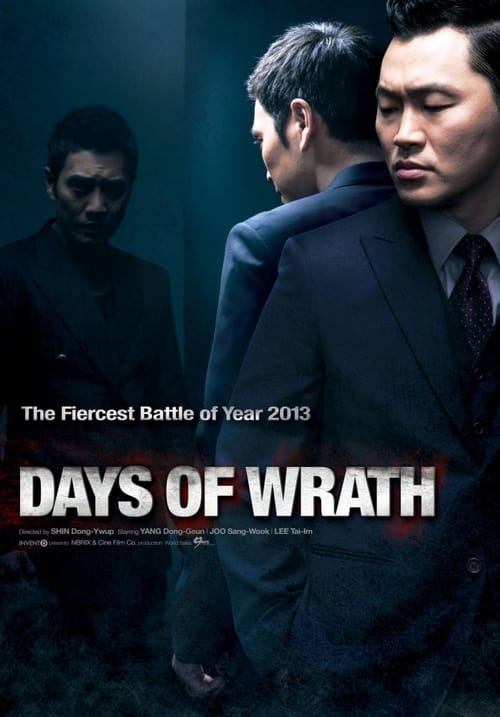
Days of Wrath
2013
No user ratings available yet
Representation score: 5.4 out of 10

Representation Score
Fair
2002
RDirector
Park Chan-wook
Runtime
129 minutes
Average Rating
No ratings yetNew Showbiz Analysis
Park Chan-wook’s film deconstructs the revenge thriller by replacing heroic archetypes with a grim study of systemic failure. It uses socioeconomic desperation to erode moral clarity, framing retribution as a dehumanizing cycle rather than a quest for justice. The narrative's strength lies in its ability to use disability and class to dismantle the binary of good versus evil. By portraying the legal system and state as indifferent to the poor, the film challenges the stability of social contracts. While the film lacks explicit LGBTQ+ representation and maintains traditional gender dynamics, it achieves sophistication through thematic depth. It successfully frames violence as an inevitable outcome of oppression rather than a simple moral failing.
Category Breakdown
The film does not include any LGBTQ+ characters or non-straight relationships. It centers on the personal and socioeconomic struggles of the main characters within a traditional social structure.
The story follows a traditional gender hierarchy where male characters have significant control over the plot. Female characters mostly serve as victims or catalysts for conflicts initiated by men.
As a South Korean production, the film offers a culturally specific, non-Western perspective. While the cast is ethnically uniform, it provides a necessary counter-narrative to Western-centric storytelling.
The film critiques institutional and economic structures, highlighting how wealth inequality and the lack of social safety nets force underrepresented individuals into desperate behaviors.
The central character is deaf, integrating his sensory disability into his fundamental experience of the world. The film avoids 'inspiration porn' in favor of a gritty, realistic portrayal.
Present on Screen
Limited or Absent
Official Synopsis
A deaf man and his girlfriend resort to desperate measures in order to fund a kidney transplant for his sister. Things go horribly wrong, and the situation spirals rapidly into a cycle of violence and revenge.
2013

2002
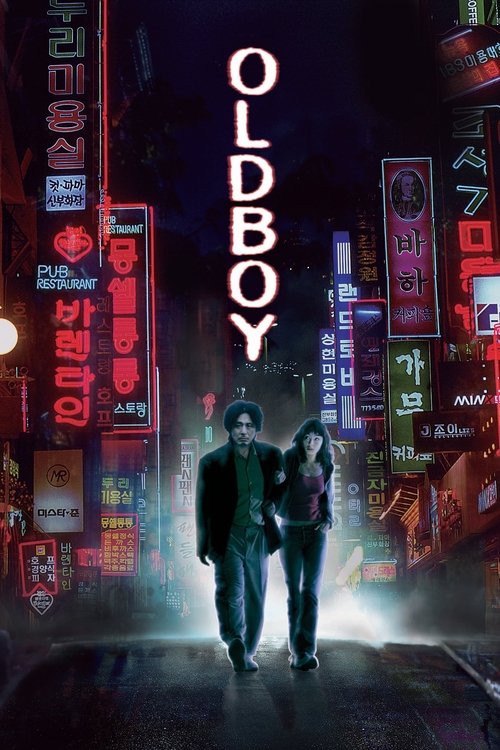
2003

1995
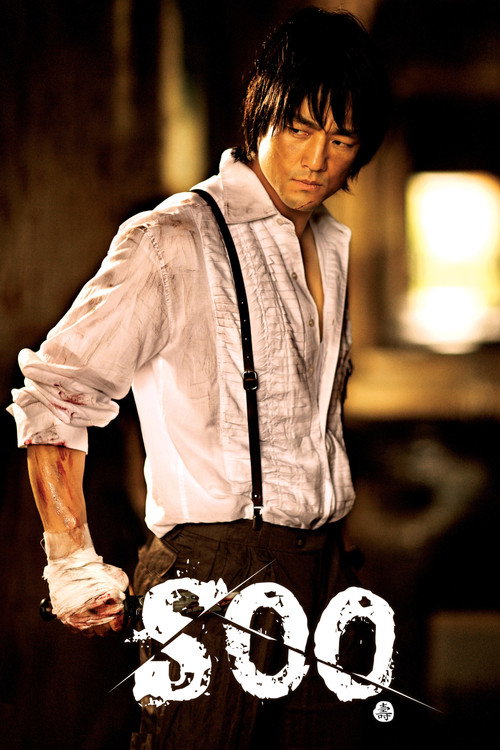
2007

2009

2005
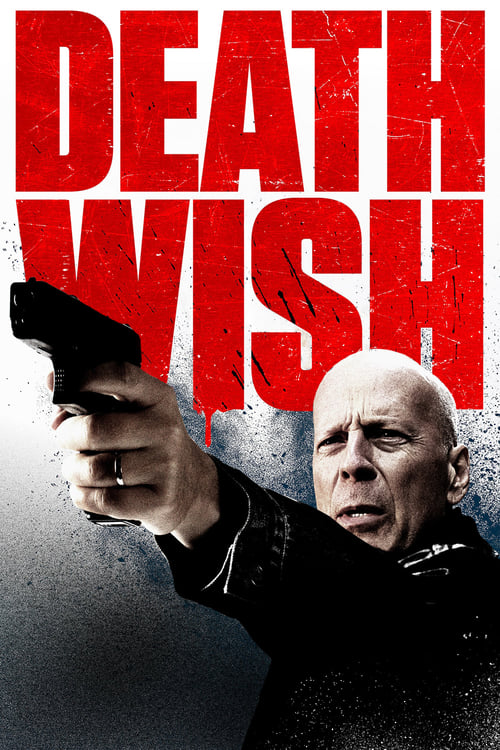
2018
No reviews yet. Be the first to share your thoughts on this movie!
Use the rating form above to leave a star rating and optional review.