
The Left Ear
2015
No user ratings available yet
Representation score: 6.6 out of 10
Representation Score
Fair
2016
PG-13Director
Cho Jin-gyu
Runtime
95 minutes
Average Rating
No ratings yetNew Showbiz Analysis
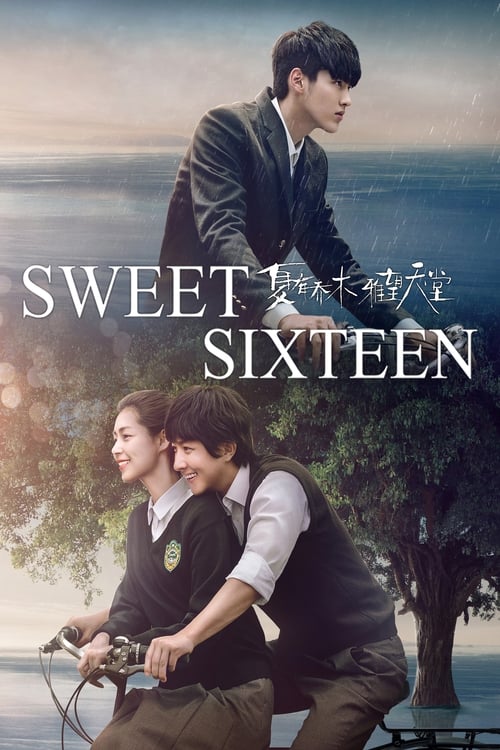
Sweet Sixteen is a conventional romantic melodrama that relies heavily on established clichés of trauma and retribution. The narrative focuses on a transformative relationship between Xia Mu and Shu Yawang, following a standard emotional arc. The film operates within traditional storytelling frameworks rather than challenging social or cultural hierarchies. It lacks markers of intentional systemic subversion or complex, multi-layered character development. Ultimately, the film functions as a localized character study. It prioritizes personal salvation and revenge over broader socio-political commentary or diverse representation.
Category Breakdown
The film centers on a bond between two individuals that serves as the emotional anchor. There is no explicit evidence of non-straight relationships or a critique of the assumption that everyone is straight.
The plot follows a traditional trajectory where a male protagonist seeks redemption and revenge. The narrative structure emphasizes masculine control and conventional dramatic conflict over the subversion of gender hierarchies.
The production maintains a homogeneous casting approach consistent with its regional origin. It functions within a localized cultural framework without engaging with the overlapping aspects of racial identity.
The story prioritizes individualistic emotional arcs and interpersonal morality. It lacks a systemic or socio-political critique of power dynamics, capitalism, or organized religion.
While the protagonist is described as troubled, it is unclear if this refers to mental health or physical disability. No specific evidence regarding disability representation is available.
Present on Screen
Limited or Absent
Official Synopsis
Xia Mu is a troubled child whose salvation comes in the form of Shu Yawang. When something terrible happens to her, he seeks revenge. Nothing is the same in their lives after that.
2015

2014
1999
1999

2016
2006
2016
2005
No reviews yet. Be the first to share your thoughts on this movie!
Use the rating form above to leave a star rating and optional review.