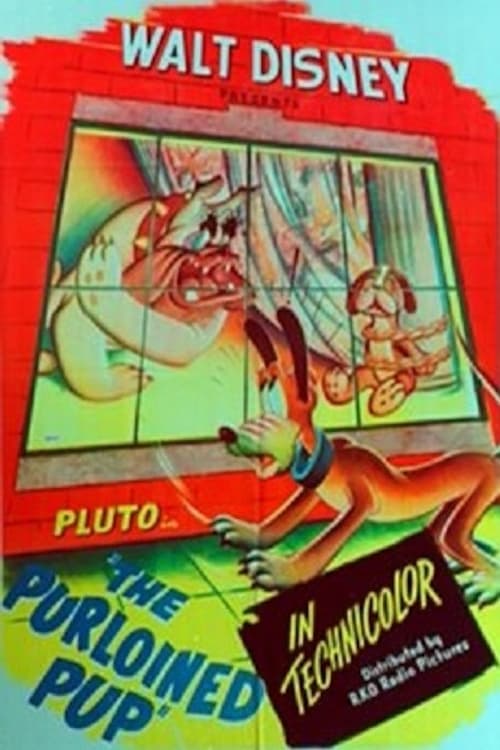
The Purloined Pup
1946
No user ratings available yet
Representation score: 0.3 out of 10
Representation Score
Minimal
1946
NRDirector
Charles August Nichols
Runtime
7 minutes
Average Rating
No ratings yetNew Showbiz Analysis
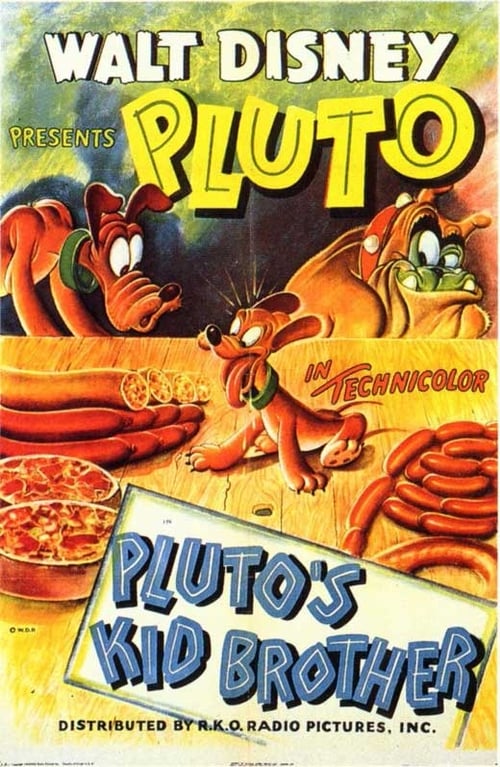
Pluto's Kid Brother is a standard mid-century slapstick short that prioritizes physical movement and situational irony. The narrative relies on established formulas of the era, focusing on character-driven vignettes rather than social commentary or identity-based storytelling. The film functions as a brief, episodic comedy that adheres to homogeneous comedic structures. It does not attempt to disrupt conventional expectations or engage with complex social themes, remaining firmly within the traditional animation frameworks of 1946.
Category Breakdown
The film focuses entirely on animal characters performing physical comedy. There is no presence of non-straight relationships or social critiques related to sexuality.
As an anthropomorphic animal story, the film avoids human gender hierarchies. However, characters are defined by slapstick roles rather than nuanced gender roles.
The all-animal cast exists within a non-specific setting. The work lacks intentional depth reflecting multiple aspects of diversity, following the homogeneous storytelling standards of the 1940s.
The narrative operates within a traditional Western framework of authority and consequence. It reinforces standard moral baselines through the use of institutional figures like the dogcatcher.
There is no evidence of characters with visible or invisible disabilities. The story does not utilize neurodivergence or disability as a narrative device.
Present on Screen
Limited or Absent
Official Synopsis
Pluto's kid brother, K.B., keeps getting into trouble. When Butch the bulldog passes by, K.B. latches onto him. Butch gets K.B. to crawl into a meat market through a small slot. Pluto comes along, they tussle and set off the burglar alarm, which brings the dogcatcher, who grabs Butch.
1946

1949
1948
1947
1945

1950
1949
1942
No reviews yet. Be the first to share your thoughts on this movie!
Use the rating form above to leave a star rating and optional review.