Revenge of the Dead
1959
No user ratings available yet
Diversity score: 2.9 out of 10
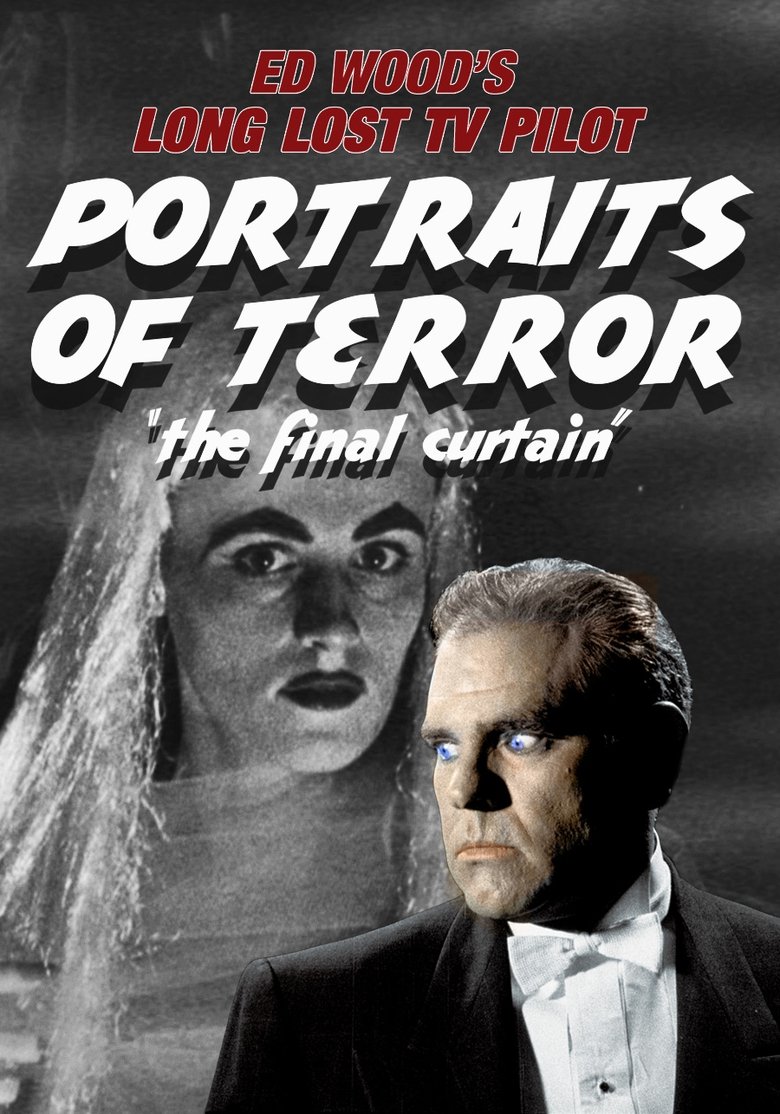
2012
Director
Edward D. Wood Jr.
Runtime
22 minutes
Average Rating
No ratings yetSynopsis
After a horror play's final performance, The Vampire roams the theater.
Overall Score
Limited
Category Breakdown
LGBTQ+ Representation
The film lacks LGBTQ+ characters or narratives that critique heteronormativity. It functions as a standard atmospheric horror piece centered on a singular male protagonist.
Gender Representation
The narrative focuses on a male actor navigating a solitary space. While Jeannie Stevens is in the cast, there is no evidence of women exercising agency.
Racial & Ethnic Diversity
The cast appears to reflect the homogeneous casting norms of 1950s low-budget television. There is no evidence of race-bent casting or intersectional character depth.
Religious & Cultural Diversity
The story is a localized study of fear within a theatrical setting. It lacks explicit anti-Western or secularist themes required for a higher score.
Disability Representation
There is no documented evidence of characters with visible or invisible disabilities. No such characters are used as plot devices.
Strengths
Areas for Improvement
AI Analysis
Final Curtain is a 1957 horror pilot that adheres strictly to the demographic and narrative constraints of its era. The production focuses on a lone male figure, following traditional genre tropes rather than subverting them. The film lacks intersectional agency or systemic critique. The casting and narrative structure appear to reflect the homogeneous standards of 1950s low-budget television, offering little in the way of diverse representation. Ultimately, the work serves as a character-driven study of atmospheric dread. It does not engage with broader social or cultural themes, resulting in a score consistent with non-subversive media of the period.
1959
1972
1958
1964
1989

2002
1998
1971

1969
1960
1977

2012
No reviews yet. Be the first to share your thoughts on this movie!
Use the rating form above to leave a star rating and optional review.