
5 for 4
1942
No user ratings available yet
Representation score: 0.4 out of 10
Representation Score
Minimal
1943
NRDirector
Jack King
Runtime
6 minutes
Average Rating
No ratings yetNew Showbiz Analysis
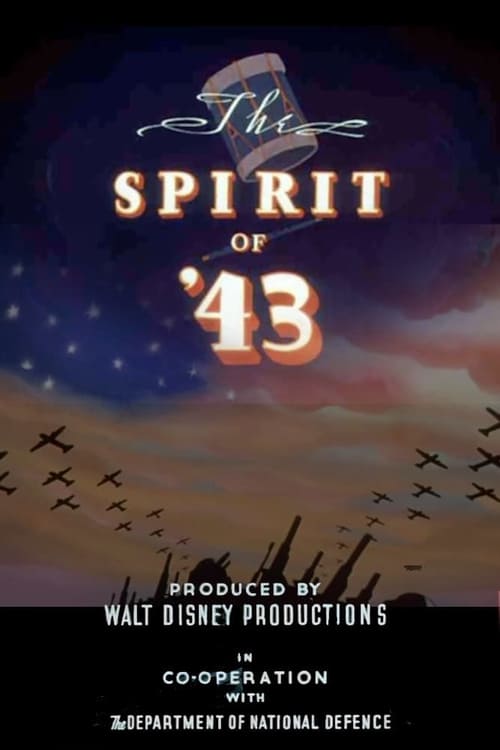
As wartime propaganda, this animated short aims to strengthen national unity and institutional stability. The narrative avoids social complexity, focusing instead on reinforcing existing hierarchies and promoting individual sacrifice for the state. The film lacks depth in representing multiple aspects of identity, choosing instead to present a singular, unified identity to support the socio-political order. It serves as a means of cultural preservation rather than exploring a broader range of experiences. By emphasizing civic duties such as taxation, the film avoids challenging traditional structures and instead normalizes government authority through a narrow, conventional lens.
Category Breakdown
The film does not include any representations of LGBTQ+ identities or queer narratives. It sticks closely to the social norms of the 1940s.
The story upholds traditional gender roles of the 1940s. It emphasizes collective duty rather than examining individual gender dynamics or breaking down traditional gender roles.
The film features a homogeneous American cast. It does not include diverse ethnic perspectives or race-blind casting, reflecting the social constraints of the time.
The film supports Western institutions and government authority directly. Adherence to federal taxation laws is framed as both patriotic and morally necessary.
There are no visible or invisible disabilities shown. Characters are portrayed as a uniform, able-bodied group to highlight national productivity.
Present on Screen
Limited or Absent
Official Synopsis
Donald Duck deals with income taxes and their benefit to the American war effort in this inspirational documentary short animated film.
1942
1943
1942
1944
1944

1941

1944
1939
No reviews yet. Be the first to share your thoughts on this movie!
Use the rating form above to leave a star rating and optional review.