You are here:

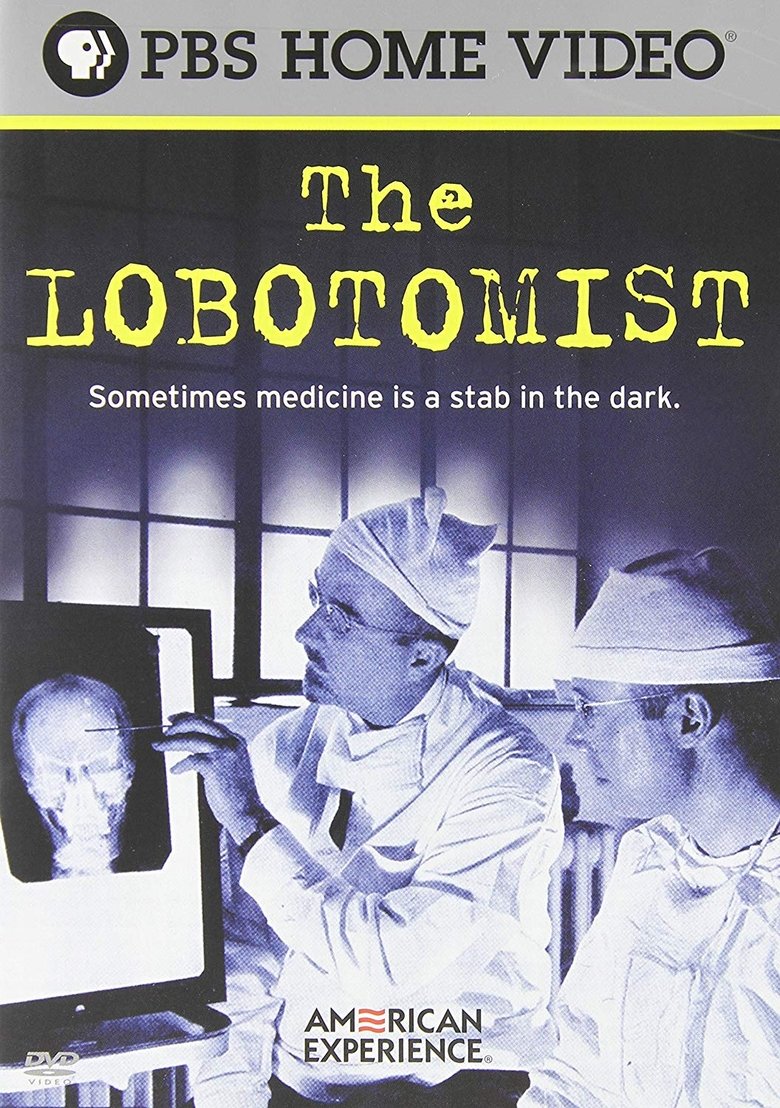
The Lobotomist

The Lobotomist

Representation Score

2.0/10

Limited

2008

TV-14

Director

John Maggio, Barak Goodman

Runtime

55 minutes

Average Rating

No ratings yet

New Showbiz Analysis

The Lobotomist serves as a historical examination of medical ethics rather than a vehicle for social or identity-based representation. Its narrative structure is shaped by archival reality and the failures of a specific medical intervention. While the film does not intentionally deconstruct modern social norms or diverse character archetypes, it does engage with institutional critique. By examining how medical practices went wrong, the documentary challenges the authority of traditional Western power structures. Ultimately, the film's impact is centered on the subject matter of neurological conditions and mental health history rather than storytelling that reflects multiple aspects of identity.

Watch this, not that →

Category Breakdown

Does The Lobotomist have LGBTQ+ representation?

Minimal

The film does not include any LGBTQ+ characters or narratives about non-straight identities. The focus is solely on clinical medical history.

How does The Lobotomist portray gender?

Minimal

The film does not challenge traditional gender roles. It lacks progressive portrayals of both masculinity and femininity.

How racially and ethnically diverse is The Lobotomist?

Minimal

The documentary does not feature a diverse cast or non-white protagonists. There are no demographic details about medical subjects or practitioners.

How does The Lobotomist represent religion and culture?

Fair

The narrative criticizes Western medical institutions by highlighting historical practices as systemic failures. This provides a moderate skepticism towards traditional authority.

Does The Lobotomist include disability representation?

Fair

Neurological interventions and mental health issues are central to the story. However, it is unclear if subjects are given meaningful roles or if they are portrayed in a non-exploitative manner.

Present on Screen

  • Provides a critical look at institutional medical authority and systemic errors.
  • Focuses the narrative on the realities of neurological conditions and mental health history.

Limited or Absent

  • Lacks evidence of diverse racial, ethnic, or LGBTQ+ representation.
  • Does not show a clear intent to challenge traditional gender hierarchies.

Official Synopsis

Tells the gripping tale of a medical intervention gone awry.

How are these scores produced? →

Where to Watch

Rate this Movie

No rating selected
Use arrow keys to select a rating from 1 to 5 stars
Optional text review, maximum 2000 characters
Tip: Wrap spoilers with ||double pipes|| to hide them
0/2000 characters
You must be signed in to submit a rating

Reviews

No reviews yet. Be the first to share your thoughts on this movie!

Use the rating form above to leave a star rating and optional review.