Remote Area Medical
2013
No user ratings available yet
Diversity score: 6.1 out of 10
2010
TV-PGDirector
Marilyn Ness
Average Rating
No ratings yetSynopsis
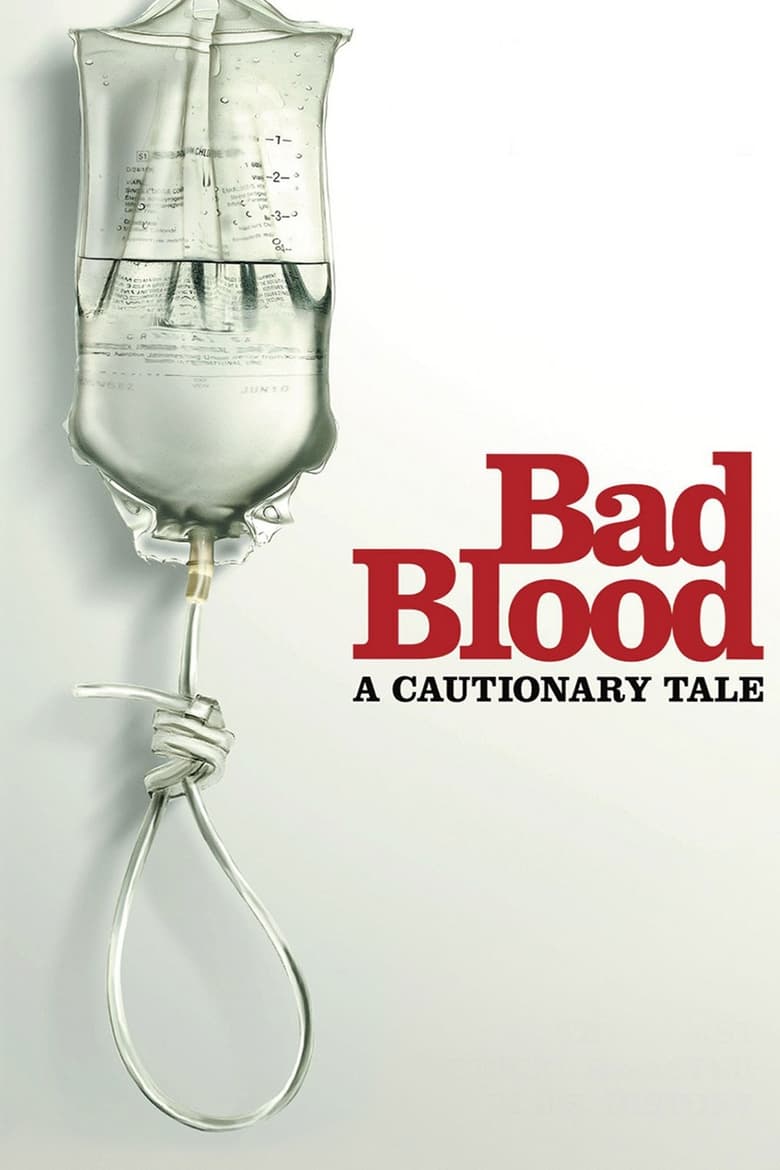
BAD BLOOD chronicles how a "miracle" treatment for hemophilia became an agent of death for 10,000 Americans.
Overall Score
Fair
Category Breakdown
LGBTQ+ Representation
The documentary focuses on a specific medical crisis involving hemophilia. There is no evidence of intentional LGBTQ+ character development or queer-coded narratives within the subject matter.
Gender Representation
The film lacks evidence of a deliberate subversion of gender hierarchies. While victims and families may show agency, there is no specific focus on gendered power imbalances.
Racial & Ethnic Diversity
The narrative impacts 10,000 Americans, implying a broad demographic. However, there is no explicit evidence regarding the inclusion of diverse racial perspectives or racial disparities.
Religious & Cultural Diversity
The film provides a strong critique of institutional authority. It disrupts reverence for medical and scientific institutions by framing a miracle treatment as an agent of death.
Disability Representation
The story centers on the lived experiences of those with hemophilia. It grants agency to people with disabilities by focusing on systemic causes rather than aestheticizing their condition.
Strengths
Areas for Improvement
AI Analysis
Bad Blood: A Cautionary Tale functions primarily as a critique of systemic power and institutional ethics. It succeeds by challenging the perceived benevolence of Western medical and corporate structures, providing significant agency to those living with chronic conditions. However, the film lacks explicit identity-based representation. There is little evidence of intentional focus on LGBTQ+, racial, or gendered social dynamics, as the narrative remains centered on a specific physiological and systemic tragedy.
2013

2019

1996
2010

2014

2016

1995
2000

2014
2018

2004

2010
No reviews yet. Be the first to share your thoughts on this movie!
Use the rating form above to leave a star rating and optional review.