Find another title
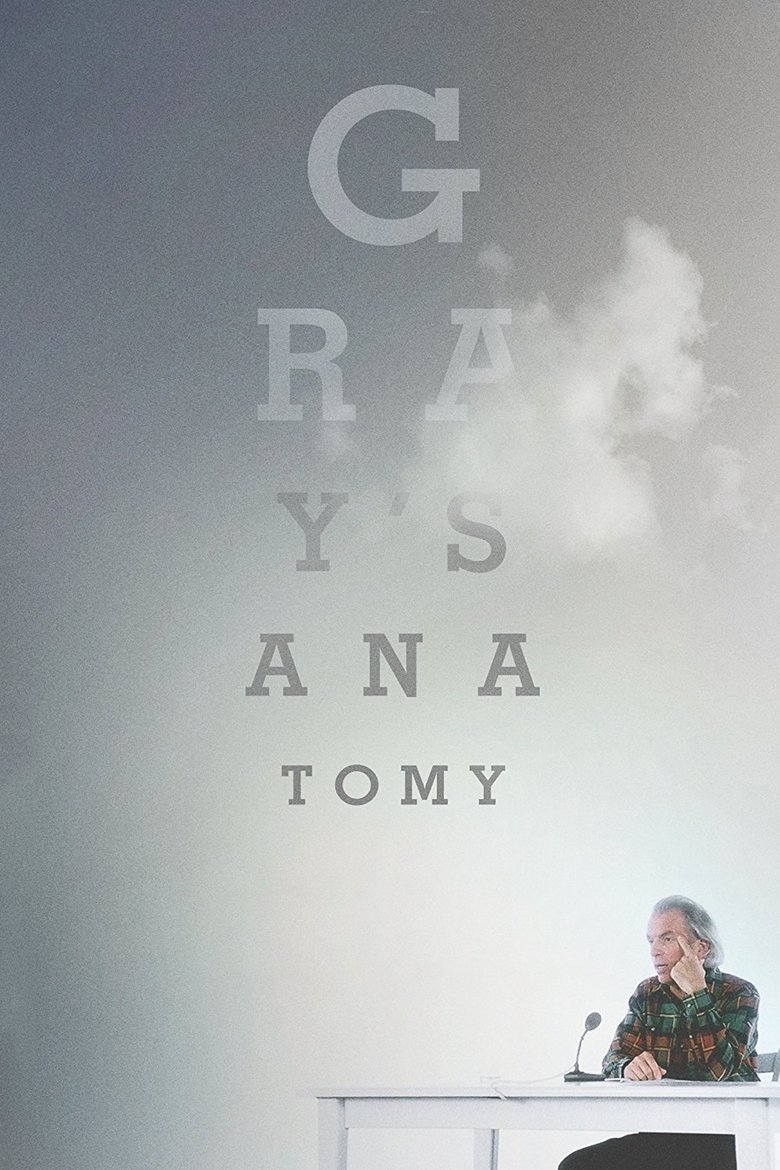
Gray's Anatomy
1996
Not RatedDirector
Steven Soderbergh
Runtime
80 minutes
Average Rating
No ratings yetSynopsis
The film documents, in an often dramatic and humorous fashion, Gray's investigations into alternative medicine for an eye condition (Macular pucker) he had developed.
Where to Watch
Diversity & Representation
Overall Score
Limited
Category Breakdown
LGBTQ+ Representation
The film lacks discernible LGBTQ+ characters or narratives. The focus remains strictly on the protagonist's medical journey and his interactions with various practitioners.
Gender Representation
The narrative is primarily driven by a male protagonist's perspective. Gender dynamics do not actively subvert traditional hierarchies or engage in significant critiques of masculinity.
Racial & Ethnic Diversity
The film reflects a demographic homogeneity often found in specialized medical investigations. There is no evidence of a diverse, non-white majority cast.
Religious & Cultural Diversity
The film offers a moderate critique of Western medical institutions by juxtaposing them with alternative medicine. It focuses on the individual's search for efficacy outside standard protocols.
Disability Representation
The film centers on a physical impairment, specifically a macular pucker. It treats the condition as a practical reality rather than a tool for moralizing.
Strengths
- Avoids 'inspiration porn' by treating the protagonist's macular pucker as a practical, lived reality.
- The protagonist maintains high agency while navigating his sensory impairment.
- Challenges the absolute authority of Western medical structures through a lens of personal experience.
Areas for Improvement
- Lacks LGBTQ+ characters or narratives centered on non-cisnormative identities.
- The narrative is heavily centered on a single male perspective, limiting gender diversity.
- Reflects demographic homogeneity without evidence of diverse or non-white casting.
AI Analysis
Gray's Anatomy is a highly specialized, personal documentary that prioritizes individual medical inquiry over broad social representation. The narrative architecture is built around a single person's journey through the landscape of alternative healing. While the film provides a nuanced look at the tension between institutional medicine and alternative belief systems, it lacks intersectional breadth. The focus remains on the protagonist's agency in the face of physical vulnerability rather than a critique of systemic social hierarchies. Ultimately, the film functions as a study of personal experience. It lacks the diverse casting and identity-driven narratives necessary to achieve a higher score in social representation.
Rate this Movie
Reviews
No reviews yet. Be the first to share your thoughts on this movie!
Use the rating form above to leave a star rating and optional review.