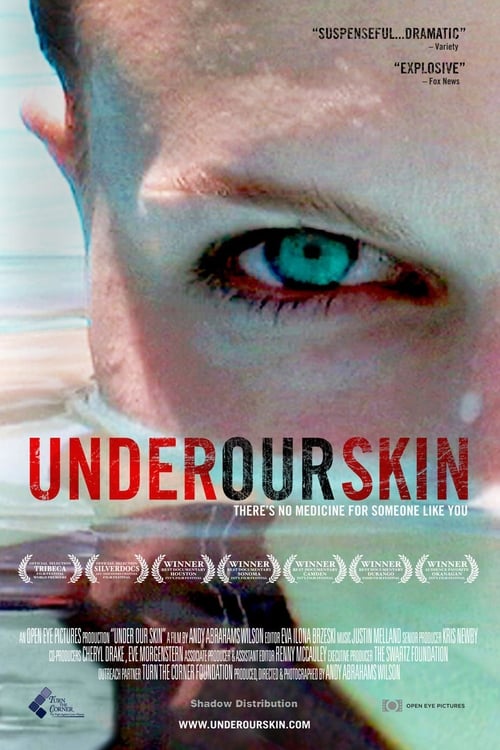
Under Our Skin
2008
No user ratings available yet
Diversity score: 3.8 out of 10

2018
PGDirector
Stephen Burrows
Runtime
87 minutes
Average Rating
No ratings yetSynopsis
After a routine partial hip replacement operation leaves his mother in a coma with permanent brain damage, what starts as a son's video diary becomes a citizen's investigation into the future of American health care.
Overall Score
Fair
Category Breakdown
LGBTQ+ Representation
The film contains no explicit mention of LGBTQ+ characters or narratives. There is no evidence of non-heteronormative identities being addressed.
Gender Representation
The story focuses on the relationship between a mother and son. It highlights the physical and emotional vulnerability of the female subject within a clinical environment.
Racial & Ethnic Diversity
The racial or ethnic identities of the participants are not specified. While the film addresses systemic American healthcare, the specific racial composition remains unconfirmed.
Religious & Cultural Diversity
The documentary engages deeply with institutional critique. It prioritizes a citizen's investigation over medical authority, challenging the perceived infallibility of Western healthcare structures.
Disability Representation
The narrative centers on the reality of permanent brain damage. It treats medical trauma as a primary catalyst rather than a mere plot device.
Strengths
Areas for Improvement
AI Analysis
Bleed Out is a documentary that shifts from a private video diary into a systemic investigation of American healthcare. It succeeds by deconstructing the perceived authority of medical institutions through a personal lens of grief and trauma. The film's strength lies in its institutional critique and its raw portrayal of sudden disability. By centering a family's struggle with medical negligence, it challenges the morality of established healthcare bureaucracies. However, the work lacks specific data regarding racial, ethnic, or LGBTQ+ representation. This absence of identity-based detail limits the scope of its diversity profile despite its strong social commentary.
2008
1996
2017

2017

2018
2018
2016

2017
2003
2019

2018
2016
No reviews yet. Be the first to share your thoughts on this movie!
Use the rating form above to leave a star rating and optional review.