
Rubber's Lover
1996
No user ratings available yet
Representation score: 7.5 out of 10
Representation Score
Fair
1994
PG-13Director
Matt Reeves, Oley Sassone, Eric Parkinson
Runtime
98 minutes
Average Rating
No ratings yetNew Showbiz Analysis
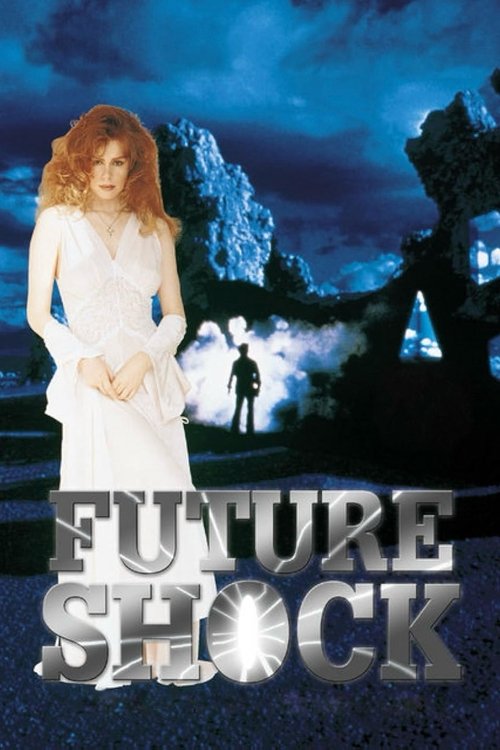
Future Shock is a product of its era, functioning as a mid-90s science fiction horror piece. The narrative explores the intersection of technology and the human subconscious through a clinical lens. The film lacks significant complexity in reflecting multiple aspects of identity. While it touches on mental health through its central theme of psychiatric experimentation, it does not move beyond standard genre conventions regarding race, gender, or sexuality. Ultimately, the production reflects the typical demographic distributions of 1990s genre cinema, prioritizing psychological tension over diverse social representation.
Category Breakdown
The film does not include any openly LGBTQ+ characters or themes that critique the assumption that everyone is straight or cisgender. There is no evidence of characters exploring non-traditional gender identities or sexual orientations.
Vivian Schilling plays a prominent role, ensuring a strong female presence in the cast. However, the film adheres to typical 1990s genre conventions without clearly challenging traditional gender roles or power structures.
The ensemble follows conventional 1990s casting patterns, with Brion James providing notable representation. However, the cast predominantly features actors of Anglo-Saxon descent, lacking significant racial and ethnic diversity.
The narrative centers on clinical authority and individual psychology, leaning into traditional psychological thriller clichés. It does not offer a specific critique of Western institutions or cultural norms.
By focusing on psychiatric patients and virtual reality, the film explores themes related to mental health and neurodivergence. These elements can serve as metaphors for cognitive processing and neurodiversity.
Present on Screen
Limited or Absent
Official Synopsis
A psychiatrist uses virtual reality to probe the minds of three unsuspecting patients, unleashing horrific psychic forces in the process.
1996
1986

2005
1984

1980
1967

1985
1980
No reviews yet. Be the first to share your thoughts on this movie!
Use the rating form above to leave a star rating and optional review.