The Lone Rider in Frontier Fury
1941
No user ratings available yet
Representation score: 0.5 out of 10
Representation Score
Minimal
1943
PassedDirector
Spencer Gordon Bennet
Runtime
55 minutes
Average Rating
No ratings yetNew Showbiz Analysis
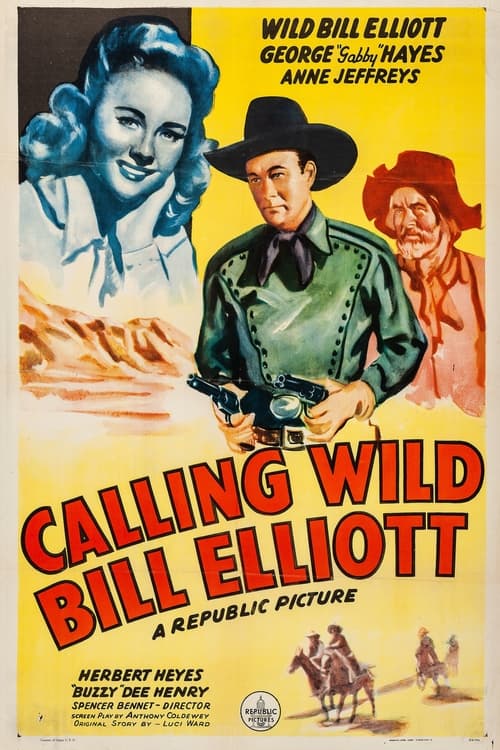
Wild Bill Elliott is a conventional B-movie Western that operates strictly within the restrictive cultural frameworks of 1940s Hollywood. The narrative prioritizes traditional masculine archetypes and frontier morality over any meaningful social subversion. The film's structure reinforces mid-century hierarchies, focusing on individualist justice and a patriarchal family unit. It lacks intentional efforts to provide characters who reflect more than one aspect of diversity or disrupt established social norms. Ultimately, the work serves as a formulaic genre piece that reflects the homogeneous casting and narrow thematic scope of its era.
Category Breakdown
The film does not include any LGBTQ+ characters or representations of non-straight relationships. It adheres to the traditional clichés of 1943, reinforcing the assumption that everyone is straight or cisgender.
The story centers on male characters, particularly the protagonist and the antagonist. The narrative follows a traditional patriarchal structure focused on masculine roles.
The film focuses on a white settler family and a territorial governor. It reflects the exclusionary casting practices typical of mid-century Westerns, lacking non-Anglo-Saxon representation.
The plot explores themes of governance and taxation through the lens of frontier justice. It relies on the wandering gunslinger cliché rather than offering a systemic critique of institutions.
There is no mention of characters with visible or invisible disabilities. No evidence suggests disability is used as a plot device or a source of mockery.
Present on Screen
Limited or Absent
Official Synopsis
When territorial governor Steven Nichols (Herbert Heyes) terrorizes the population with violence and heavy taxes, the Culver family stands up to him, but after the family patriarch is murdered, wandering gunslinger Wild Bill Elliott (Wild Bill Elliott) is falsely accused of the crime.
1941
1940
1943
1958
1943
1935
1949
1945
No reviews yet. Be the first to share your thoughts on this movie!
Use the rating form above to leave a star rating and optional review.