The Pride of Pawnee
1929
No user ratings available yet
Representation score: 2.4 out of 10
Representation Score
Limited
1925
PassedDirector
J.P. McGowan
Runtime
55 minutes
Average Rating
No ratings yetNew Showbiz Analysis
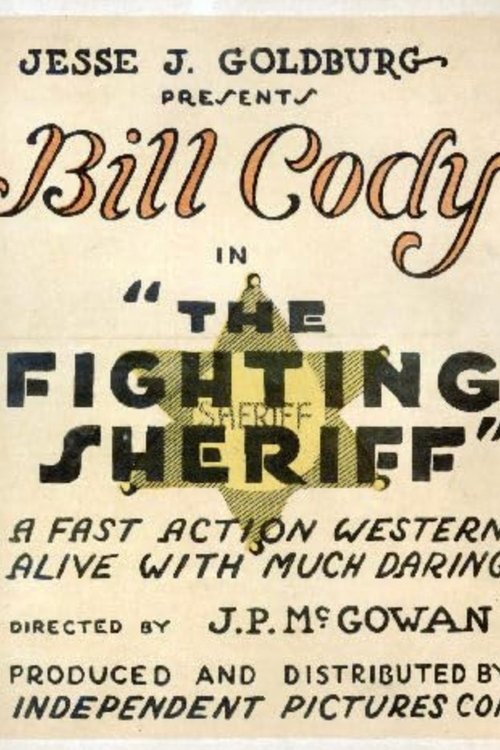
The Fighting Sheriff is a quintessential 1920s Western that prioritizes genre clichés over social complexity. The narrative relies on a binary struggle between a legitimate lawman and a corrupt usurper, reinforcing traditional hierarchies of power and authority. Character roles are heavily gendered, with the plot driven by male conflict while female characters occupy secondary, reactive roles. The film adheres to the era's standard social structures, offering little in the way of diverse representation or institutional critique. Ultimately, the film functions as a traditionalist piece of cinema. It uses physical hardship and memory loss as mechanical tools to advance the plot rather than exploring the human dimensions of disability or identity.
Category Breakdown
The film focuses on a traditional masculine conflict between a lawman and an outlaw gang. There is no evidence of non-binary gender identities or same-sex intimacy.
Male characters drive the narrative, centered on the struggle for authority between the sheriff and the outlaw. Madge Blake serves a functional, reactive role as a postmistress.
The story centers on white protagonists and a bandit gang. There is no mention of diverse ethnic casting or the integration of non-Anglo-Saxon characters.
The plot follows a restorative justice arc that reinforces the sanctity of Western legal institutions. It promotes a clear distinction between good and evil without moral ambiguity.
Amnesia is used strictly as a plot device following a head injury. The condition facilitates suspense rather than offering a nuanced exploration of cognitive disability.
Present on Screen
Limited or Absent
Official Synopsis
As a result of a blow on his head, suffered when he was robbed of a shipment of platinum by a gang of bandits known as the Wolf Pack, Sheriff Larry O'Donnell loses his memory and disappears for several months. Jeff Baines, leader of the outlaw gang, uses Larry's absence to get himself elected sheriff. Larry regains his memory, secures proof of Baines' guilt as the leader of the Wolf Pack, seals the evidence into an envelope, and gives it to Madge Blake, the postmistress, to mail to the governor. Baines and his henchmen attempt to rob the mail coach to stop the latter but are captured in a trap set by Larry.
1929
1937
1939
1909
1930
1926
1926
1925
No reviews yet. Be the first to share your thoughts on this movie!
Use the rating form above to leave a star rating and optional review.