The Flying U Ranch
1927
No user ratings available yet
Representation score: 2.1 out of 10
Representation Score
Minimal
1926
PassedDirector
Milburn Morante
Runtime
50 minutes
Average Rating
No ratings yetNew Showbiz Analysis
The Escape is a classic silent-era Western that sticks closely to the genre's traditional structures. The narrative centers on land ownership, villainy, and a central romantic pursuit that reinforces established social hierarchies. While the film presents a clear moral conflict between the hero and the antagonist, it lacks the complexity needed to challenge cultural norms. Characters are portrayed as archetypes rather than nuanced individuals. Overall, the film reinforces early 20th-century Western clichés, emphasizing masculine-driven action and traditional property-based morality over diverse or subversive storytelling.
Category Breakdown
The film centers around a traditional heterosexual relationship between Johnny Bowers and Evelyn Grant. It does not include any representation of non-traditional gender identities or critiques of the assumption that everyone is straight.
Evelyn Grant mainly serves as an object of desire for the male characters. The plot revolves around conflicts among men, reinforcing a power dynamic centered on masculinity.
The story focuses on typical Western land disputes without evidence of diverse casting. It seems to follow the homogeneous racial norms of early 20th-century cinema.
The story upholds traditional Western institutions such as private property and individual heroism. It does not offer any critique or alternative cultural perspectives.
The film does not feature any characters with physical or neurodivergent disabilities. There is no information about the representation of impairment.
Present on Screen
Limited or Absent
Official Synopsis
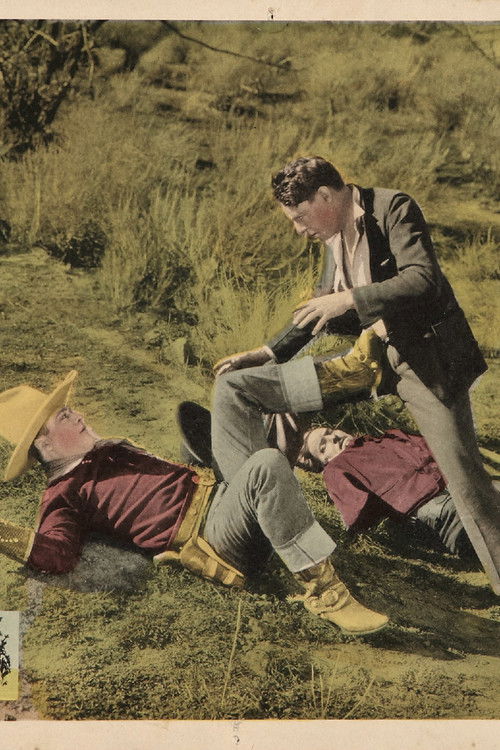
There's dirty work afoot at the crossroads when arch-villain Howard Breen and a crooked banker are scheming to take over the Jeremiah Grant's ranch, and Breen also has his eye on Grant's daughter, Evelyn. However, cowhand Johnny Bowers, who also has an eye on Evelyn, and his horse, Lightning, put an end to the villainy.
1927
1938
1924
1927
1931
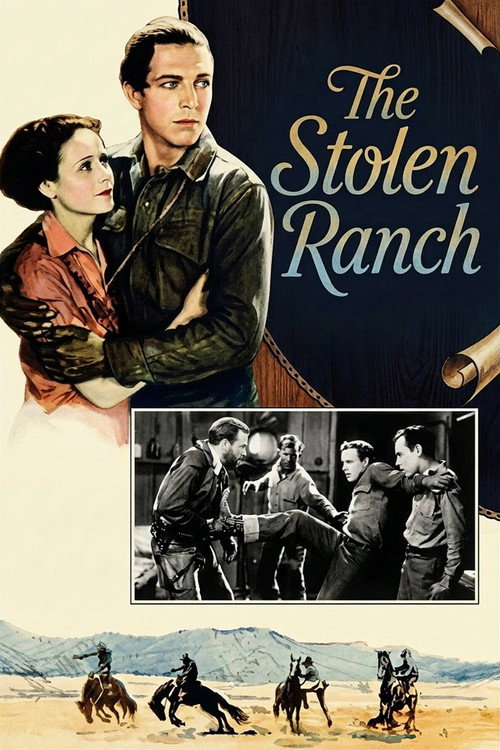
1926
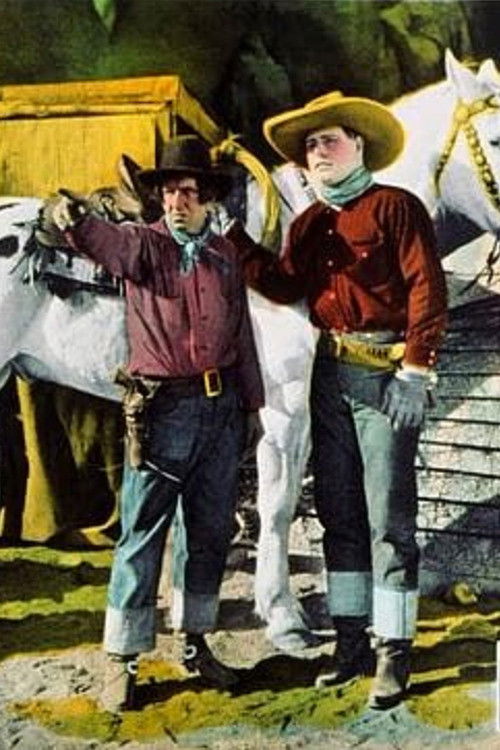
1926
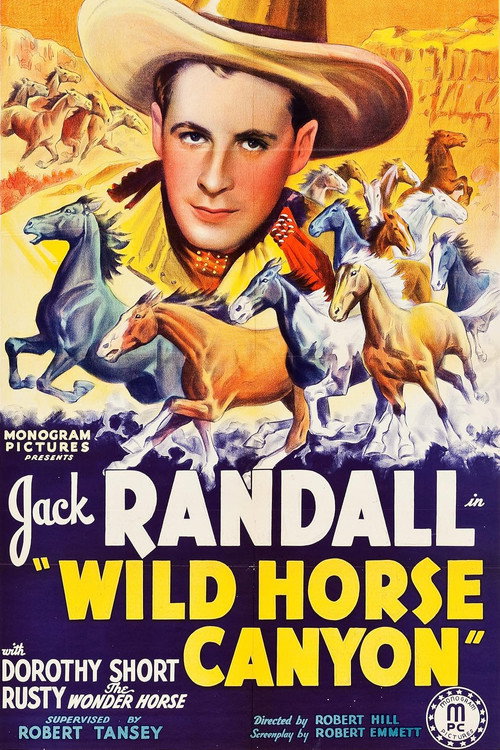
1938
No reviews yet. Be the first to share your thoughts on this movie!
Use the rating form above to leave a star rating and optional review.