Ginger in the Morning
1974
No user ratings available yet
Representation score: 2.9 out of 10
Representation Score
Good
1976
PGDirector
Stephen Verona
Runtime
89 minutes
Average Rating
No ratings yetNew Showbiz Analysis
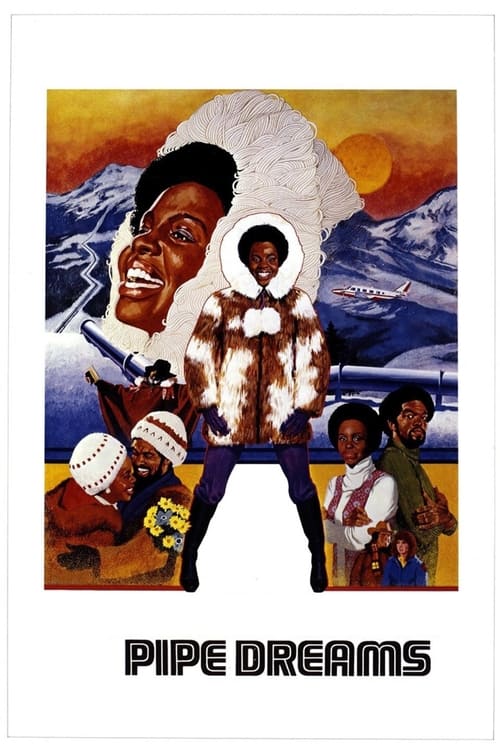
The film opens with the smoke of a pipe, a visual metaphor for the stagnation that traps the Wilson family in their modest home. Stephen Verona’s 1976 drama sells the resilience of the Black working-class household, positioning Gladys Knight’s Maria as the unshakable anchor while her husband Mike struggles with addiction and identity. The camera lingers on Maria’s face with a respect that frames her domestic labor as a form of power, contrasting her stability with Mike’s weariness. This is not a story of liberation from the home, but of the home as the fortress. The sold meaning is clear: family unity is the ultimate currency. The narrative rewards Maria’s endurance and punishes the ambition that threatens to tear the family apart. When Mike’s struggles peak, the resolution does not come from external systems or professional success, but from the family’s unwavering support. The ending settles the moral verdict on domestic stability, suggesting that the traditional nuclear family is the only viable structure for survival in a difficult world. There is a tension in the film’s argument. While it celebrates Black community agency and self-sufficiency, it simultaneously reinforces traditional gender roles by making Maria’s contentment in her role as wife and mother the source of her strength. The film does not critique the economic constraints that keep the family in modest housing; instead, it treats these constraints as the backdrop for personal virtue. The system of poverty never pays the price; the characters simply endure it together. In the final frame, the pipe remains, a reminder that the struggle is ongoing, but the family holds. The film’s value lies in its authentic portrayal of a specific community’s internal dynamics, even as it retreats from a broader critique of the structures that shape their lives. It is a quiet, earnest defense of the family unit as the last line of defense against a world that offers little else.
Category Breakdown
No LGBTQ+ characters or same-sex intimacy appear in the narrative. The film relies on a strictly heterosexual framework for all romantic and familial interactions.
Gladys Knight anchors the narrative as Maria, the competent moral center holding the household together. The husband’s ambition is punished by the return to domestic stability, limiting male professional agency.
The cast is predominantly Black, depicting a self-sufficient community network without white saviors. The story treats the nuclear family as the primary source of resilience against economic hardship.
Mike’s addiction is framed as a personal struggle requiring family support rather than a moral failing. The film celebrates Black community agency and self-sufficiency within a specific cultural context.
Disability is absent; addiction is treated as a behavioral issue rather than a physical impairment. Structural poverty is shown but not critiqued as a systemic failure; the focus remains on personal endurance.
Present on Screen
Limited or Absent
Official Synopsis
A woman trails her estranged husband to the Alaskan pipeline in hope of averting their impending divorce.
1974

1974
1982
1966
1979
1974
1970

1985
No reviews yet. Be the first to share your thoughts on this movie!
Use the rating form above to leave a star rating and optional review.