Parallel Chords
2018
No user ratings available yet
Representation score: 1.6 out of 10
Representation Score
Limited
1997
Director
Anders Thomas Jensen
Runtime
14 minutes
Average Rating
No ratings yetNew Showbiz Analysis
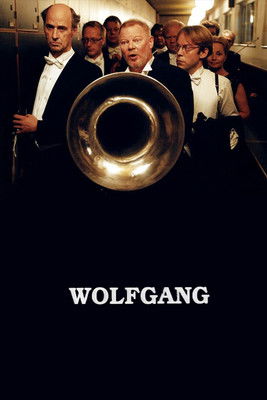
Wolfgang is a localized character study set within the framework of Danish dark realism. It does not actively seek to challenge systemic power structures or prioritize identity politics, focusing instead on psychological tension. The film's demographic composition is neither overtly regressive nor intentionally progressive. It highlights the dysfunction within domestic and familial expectations rather than reinforcing them. Ultimately, the work explores individual ambition versus familial obligations within a specific European cultural context.
Category Breakdown
The film does not include any characters with non-binary gender identities. It focuses on the protagonist's family and personal struggles.
The story explores the tension between a mother's fixation and her son's ambitions, challenging traditional family roles.
As a Danish production, the film reflects a homogeneous European population. There is no evidence of diverse casting or blending of cultures.
The film uses European dark comedy to explore moral relativism. It portrays familial bonds as a source of psychological strain without idealizing them.
Characters are described as eccentric, but it is unclear if these traits represent neurodivergence or just serve as narrative quirks.
Present on Screen
Limited or Absent
Official Synopsis
A composer with a straining birth name is caught between his mother fixation and his need to father his own ambitions. Oscar nominated short film from 1997
2018
1979

2018
1961

1982
2018
2019
2005
No reviews yet. Be the first to share your thoughts on this movie!
Use the rating form above to leave a star rating and optional review.