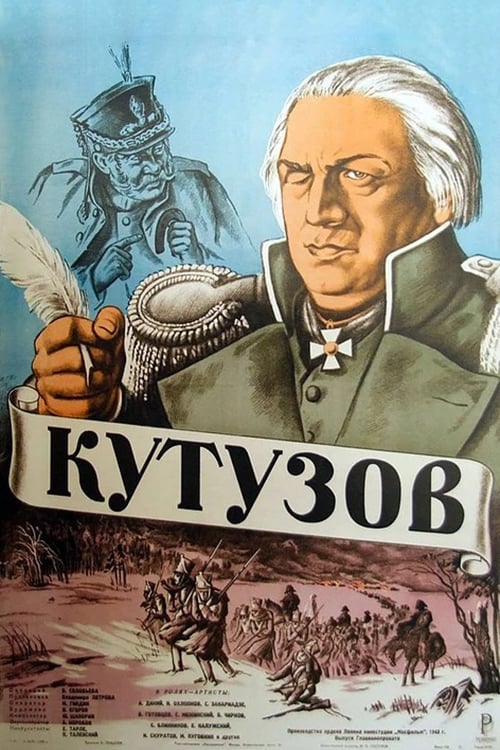
1812
1943
No user ratings available yet
Representation score: 3.9 out of 10

Representation Score
Fair
2000
Director
Esteban Ibarretxe, Jose Miguel Ibarretxe
Runtime
97 minutes
Average Rating
No ratings yetNew Showbiz Analysis
Sabotage!! functions as a psychological character study that challenges the typical 'Great Man' historical narrative. By portraying Napoleon's mystique as a suffocating weight and Armani's devotion as a psychotic break, the film avoids standard heroic clichés. However, the film remains deeply rooted in traditional power structures, focusing on military command and masculine archetypes, which limits its social representation. While it offers a unique take on historical icons, the lack of diverse identities and women's ability to drive the story keeps the overall diversity score low.
Category Breakdown
The film does not explicitly depict LGBTQ+ identities or relationships that go beyond the assumption that everyone is straight. The story centers on the psychological bond between Napoleon and Armani within traditional historical narratives.
The narrative focuses on masculine archetypes and military command, emphasizing male power dynamics. Female characters play minor roles and do not have significant influence or challenge gender hierarchies.
Set during the Napoleonic Wars, the film focuses on the internal struggles of French leadership. It adheres to a Eurocentric perspective without specific evidence of diverse casting.
The film challenges the traditional portrayal of Napoleon by presenting his greatness as a burden rather than a celebration. This approach provides a more nuanced, psychological view of history.
Mental health is a central theme through Hugo Armani's 'Napoleonic delirium.' This integration of psychiatric themes adds complexity to the historical action framework.
Present on Screen
Limited or Absent
Official Synopsis
June, 1815. Napoleon Bonaparte, surrounded by enemies, is about to play his definitive part in history. He has spent his whole life creating a mystique, becoming synonymous with determination, strength and mystery. But, that whole super-leader trip is smothering him and he just can't stand it anymore. Meanwhile, one of his aides, le maréchal Hugo Armani, has only one dream: to emulate the man who is his idol, his emperor. Armani picks the battle of Waterloo as the moment for his borderline psychotic attack - the first case of Napoleonic delirium in modern psychiatry. Due to the shortage of maréchals at the moment, Napoleon's got no choice: he has to leave Armani in command. Unbalanced Armani, so unexpectedly promoted, now leads the troops of France.
1943
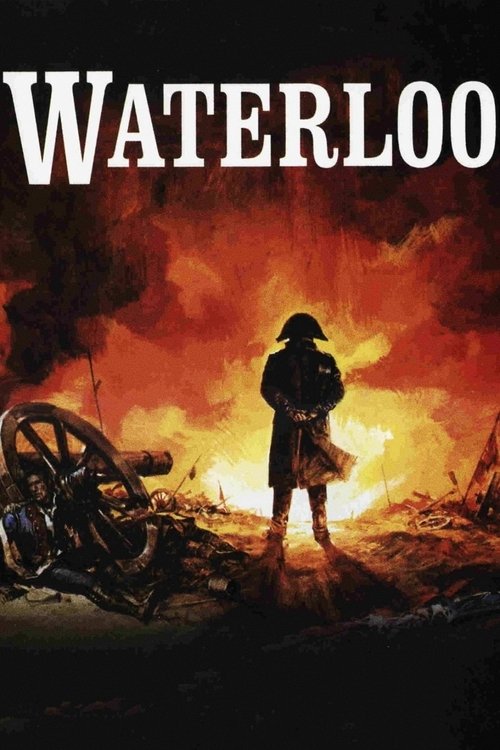
1970

1997
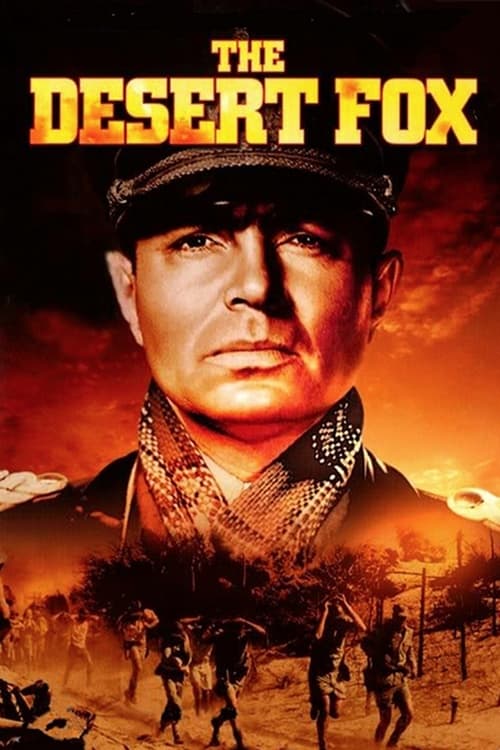
1951
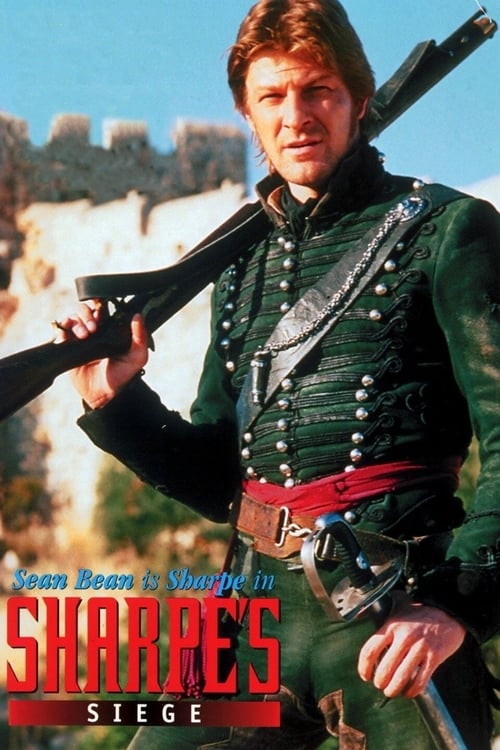
1996
1980
2023

1977
No reviews yet. Be the first to share your thoughts on this movie!
Use the rating form above to leave a star rating and optional review.