Barry Lyndon
1975
No user ratings available yet
Representation score: 2.5 out of 10
Representation Score
Minimal
1977
PGDirector
Ridley Scott
Runtime
100 minutes
Average Rating
No ratings yetNew Showbiz Analysis
Ridley Scott’s debut is a meticulous period drama that prioritizes historical texture and the psychological toll of obsession. The narrative structure is deeply rooted in the traditional structures of the 19th-century European officer class. Because the film focuses on the specific socioeconomic and gendered realities of the military elite, it offers limited opportunities for diverse representation. The story centers on a hyper-masculine code of honor that excludes queer perspectives and diverse identities. Ultimately, the film functions as a traditionalist historical drama. It explores classical masculine archetypes and the rigidity of honor codes rather than attempting to challenge or expand the historical lens.
Category Breakdown
The film follows the strict social structures of the Napoleonic era, where everyone is assumed to be straight and cisgender. There is no depiction of non-straight or non-cisgender identities or same-sex relationships.
The plot is driven by male characters, focusing on violent interactions between two protagonists. Female characters are mostly confined to domestic and romantic roles, serving as secondary figures to the male-centric conflict.
The cast is predominantly European, reflecting the military demographics of the period. The narrative does not engage with non-Western identities or diverse casting.
The story explores moral relativism through a private code of honor. It adheres to the historical realities of the military aristocracy without offering broader critiques of Western institutions.
There is no representation of physical or neurodivergent disabilities. Characters are defined by the physical requirements of military service.
Present on Screen
Limited or Absent
Official Synopsis
In 1800, as Napoleon Bonaparte rises to power in France, a rivalry erupts between Armand and Gabriel, two lieutenants in the French Army, over a perceived insult. For over a decade, they engage in a series of duels amidst larger conflicts, including the failed French invasion of Russia in 1812, and shifts in the political and social systems of Europe.
1975

1956
1970
1964

1957
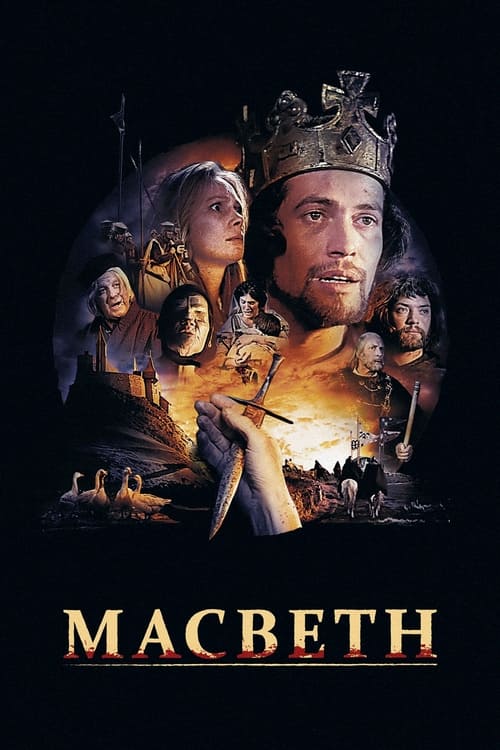
1971
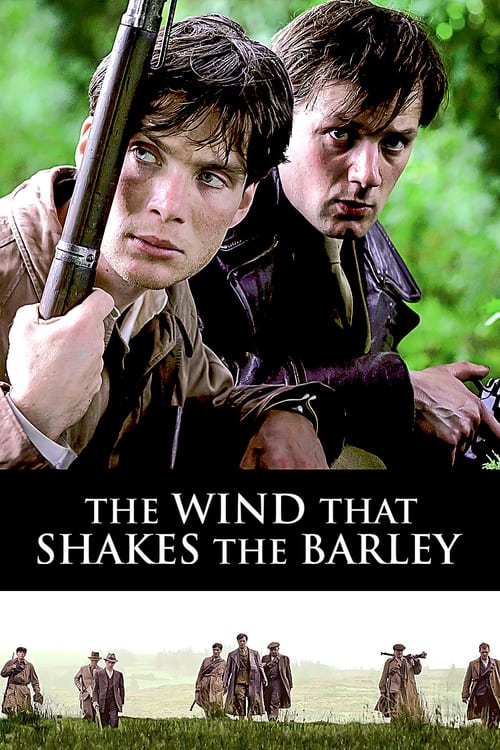
2006
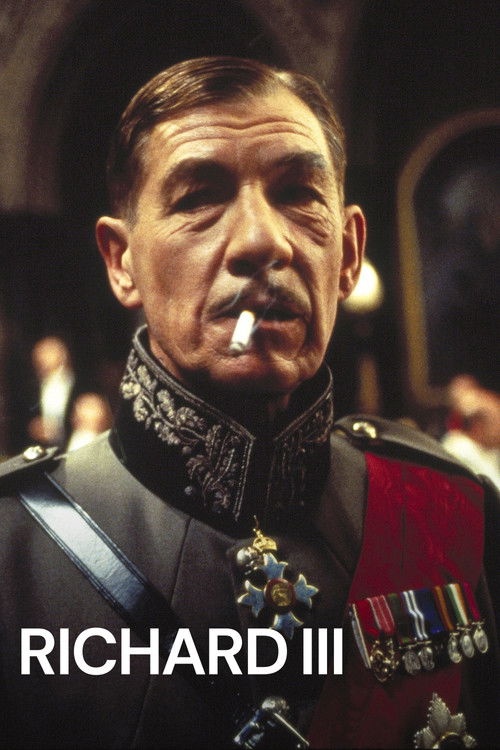
1995
No reviews yet. Be the first to share your thoughts on this movie!
Use the rating form above to leave a star rating and optional review.