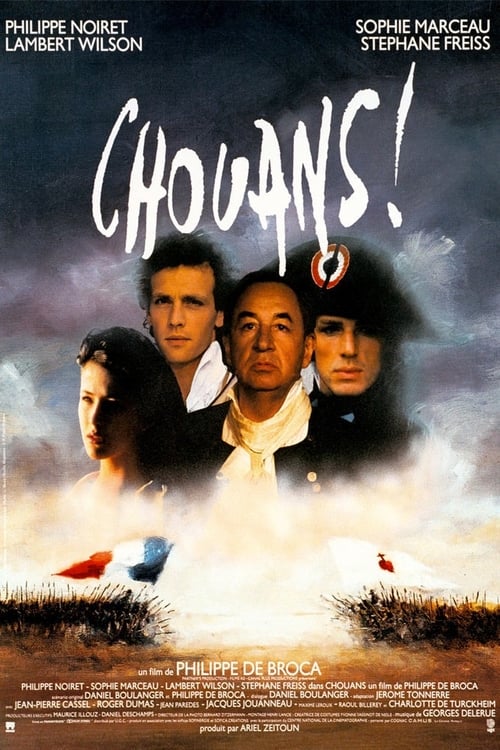
Chouans !
1988
No user ratings available yet
Representation score: 0.8 out of 10
Representation Score
Minimal
2023
Director
Vincent Mottez, Paul Mignot
Runtime
115 minutes
Average Rating
No ratings yetNew Showbiz Analysis
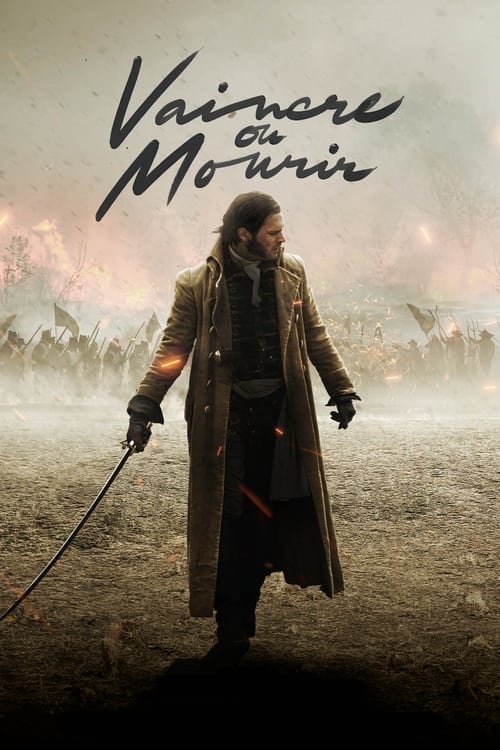
Victory or Death functions as a traditional historical epic focused on classical heroism. It prioritizes historical realism and the reconstruction of 18th-century French social structures over modern progressive themes. The film emphasizes the defense of traditional religious and monarchical institutions. While it includes various social classes like peasants and deserters, these roles serve the historical narrative rather than characters who reflect more than one aspect of diversity. Ultimately, the production aims for high-fidelity historical recreation. It reflects the era's specific cultural and gendered hierarchies without attempting to subvert them.
Category Breakdown
The film does not include any LGBTQ+ characters or narratives. It focuses on the traditional social structures of 18th-century France.
The story centers around a male protagonist who rises to military leadership. Women play supporting roles as part of the peasant army, reflecting the period accurately.
The setting in 1793 Western France suggests an ethnically homogeneous cast. There is no indication of diverse racial representation within this localized civil conflict.
The narrative reinforces traditional Catholic and Royalist values. It frames the struggle as a defense of established religious and monarchical institutions.
There is no information available regarding the portrayal of visible or invisible disabilities in this production.
Present on Screen
Limited or Absent
Official Synopsis
1793, French Revolution. For three years now, Charette, a young man retired from the Royal Navy, has been back home. In the country, the anger of the peasants rumbles: they call on the young retiree to take command of the rebellion. In a few months, the idle sailor becomes a charismatic leader and a shrewd strategist, bringing in his wake peasants, deserters, women, old people and children, of which he makes a formidable army. The fight for freedom has only just begun.
1988

1983

2018
2009

2024

2016
1929
1962
No reviews yet. Be the first to share your thoughts on this movie!
Use the rating form above to leave a star rating and optional review.