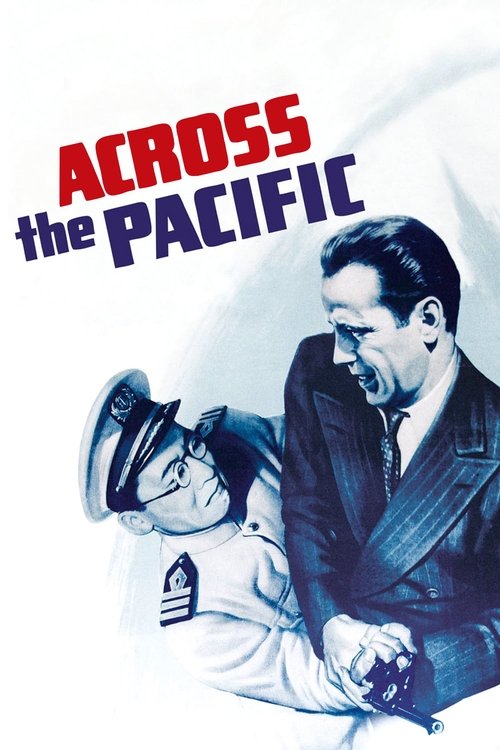
Across the Pacific
1942
No user ratings available yet
Representation score: 1.8 out of 10

Representation Score
Minimal
1953
PassedDirector
Arthur Lubin
Runtime
99 minutes
Average Rating
No ratings yetNew Showbiz Analysis
South Sea Woman is a typical 1950s studio production that strictly adheres to the social and cultural norms of its time. The film focuses on wartime melodrama and romantic clichés, reinforcing established power dynamics. The narrative heavily relies on the 'exotic' South Seas cliché, presenting the setting through a colonialist lens that frames the indigenous peoples as mere bystanders. This results in a Western-centric perspective where the setting serves as a backdrop for the white protagonists. Ultimately, the film operates as a conventional genre piece. It reinforces mid-century norms regarding gender, military duty, and the assumption that everyone is straight or cisgender, offering little in the way of diverse representation or cultural subversion.
Category Breakdown
The film does not include any LGBTQ+ characters or non-straight relationships. The romantic tension revolves around the heterosexual relationship between the main characters.
Ginger Martin is portrayed as a strong-willed character who plays a significant role in the story. However, her actions remain closely tied to the legal and moral proceedings led by the male protagonists.
The cast is predominantly white, with the South Seas serving as a backdrop for Western adventure. There is a noticeable absence of non-white characters who drive the plot.
The narrative emphasizes traditional Western morality and wartime patriotism. It centers on military duty and legal accountability within established institutions.
There are no visible depictions of physical or neurodivergent disabilities in the narrative.
Present on Screen
Limited or Absent
Official Synopsis
Marine Sergeant James O'Hearn is being tried at the San Diego Marine base for desertion, theft, scandalous conduct and destruction of property in time of war. He refuses to testify or plead guilty or not guilty to the charges. Showgirl Ginger Martin takes the stand against his protest. She testifies O'Hearn won't talk because he is protecting the name of his pal, Marine Private Davey White. Ginger tells how she, broke and stranded, met the two marines in Shanghai two weeks before Pearl Harbor.
1942
1964
1957

1949

1952
1959
1943
1945
No reviews yet. Be the first to share your thoughts on this movie!
Use the rating form above to leave a star rating and optional review.