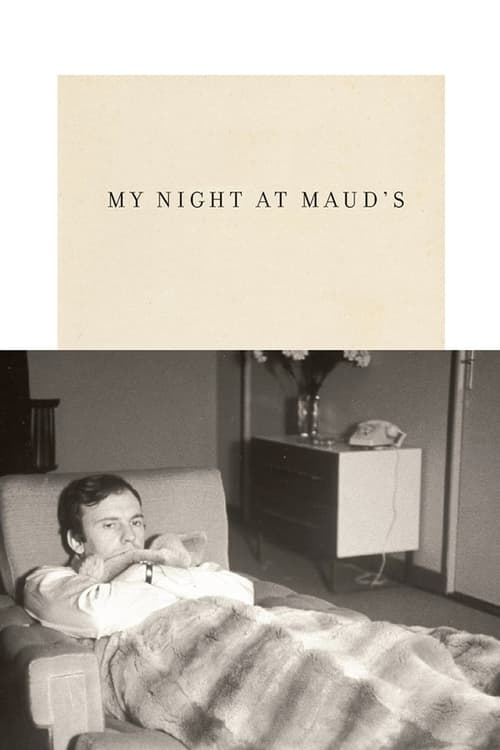
My Night at Maud's
1969
No user ratings available yet
Representation score: 2.8 out of 10

Representation Score
Limited
1966
Director
Domingos de Oliveira
Runtime
90 minutes
Average Rating
No ratings yetNew Showbiz Analysis
All the Women in the World is a character-driven romantic drama that adheres to the conventional narrative structures of 1960s Brazil. It explores the personal evolution of a philanderer through the lens of a transformative romance. The film provides a localized perspective by existing outside the Anglo-Saxon cinematic mainstream. However, it lacks the intentional disruption of traditional gender hierarchies or the inclusion of diverse identities necessary for a higher score. Ultimately, the narrative prioritizes individual romantic growth over systemic or multi-layered critiques, remaining rooted in the traditional clichés of its era.
Category Breakdown
The film follows a typical heterosexual relationship focused on a male protagonist. There are no queer narratives or characters with diverse gender identities.
The plot relies on a contrast between a womanizer and an idealized woman. Although the female lead drives change, the story focuses primarily on the male protagonist's decisions.
As a Brazilian production, the film offers a regional perspective outside of Hollywood. However, there is no specific evidence of intentional disruption of racial hierarchies.
Themes focus on individual morality and romantic stability. The story lacks explicit critiques of systemic institutions, focusing instead on traditional interpersonal ethics and commitment.
There is no mention of characters with visible or invisible disabilities.
Present on Screen
Limited or Absent
Official Synopsis
When womanizer Paulo meets a friend’s fiancée, she changes the way he looks at the opposite sex. He falls in love, and believes she is in fact all women in one. Because of that, he has to face an important decision: to go on with his old life, or embrace this special relationship and become a monogamous man.
1969

1950
1968

1966
1969

1968

1967

1957
No reviews yet. Be the first to share your thoughts on this movie!
Use the rating form above to leave a star rating and optional review.