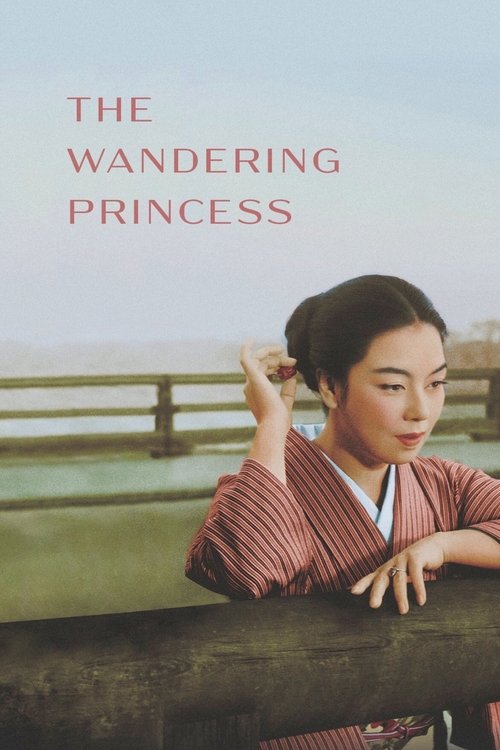
The Wandering Princess
1960
No user ratings available yet
Representation score: 3.8 out of 10

Representation Score
Good
1938
PassedDirector
Bu Wan-Cang
Runtime
90 minutes
Average Rating
No ratings yetNew Showbiz Analysis
Sable Cicada stands out for its subversion of traditional gender roles through its central protagonist. While the film operates within conventional straight-centered structures, Diaochan's role as a strategic architect of political change elevates her above the typical decorative female roles of the era. The film's strength lies in its cultural specificity and the portrayal of female intellect. By centering an Eastern historical epic, it provides a necessary counter-narrative to Western-dominated cinema of the 1930s. However, the film remains culturally homogeneous and lacks representation for LGBTQ+ identities or disabilities. Its focus on restoring moral order also suggests a commitment to traditional values rather than radical institutional critique.
Category Breakdown
The film focuses on the romantic and political tensions between Diaochan, Dong Zhuo, and Lu Bu. There is no depiction of non-straight or non-cisgender identities or same-sex relationships within the story.
Diaochan serves as the main driver of the plot rather than a passive character. She uses strategic thinking to manipulate powerful men, highlighting women's ability to drive the story.
The production features a cast rooted in Chinese history, providing a culturally specific and non-Western historical narrative. It offers a vital Eastern perspective during a period influenced by colonial history.
The story explores themes of systemic corruption and the restoration of moral order. It critiques tyrannical authority while upholding traditional ethical values.
There is no documented evidence regarding the portrayal of physical or neurodivergent disabilities in this film.
Present on Screen
Limited or Absent
Official Synopsis
Diaochan (aka Diau Charn and Sable Cicada), one of the Four Beauties of China, is supposed to be so stunningly lovely that the moon was shamed to hide behind clouds. Despite being the only Beauty among the four who is not a real historical figure but one conjured by storytelling imagination and embellished by public fascination, her story was nonetheless incorporated by author Luo Guangzhong into his popular and influential novel Romance of the Three Kingdoms. Her tale is one of Machiavellian intrigue, in which she schemes with her godfather Wang Yun to restore moral order to the land, sowing discord between the corrupt Minister Dong Zhuo and his adopted son Lu Bu, a man of martial and military prowess.
1960

2014
2021
2007
1983
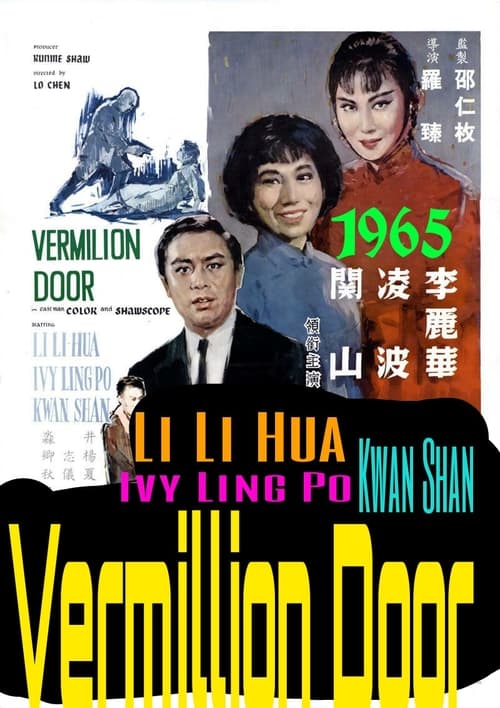
1965
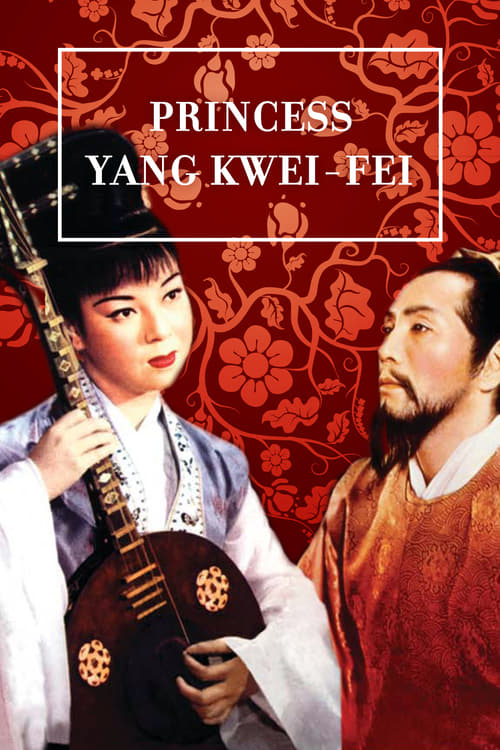
1955
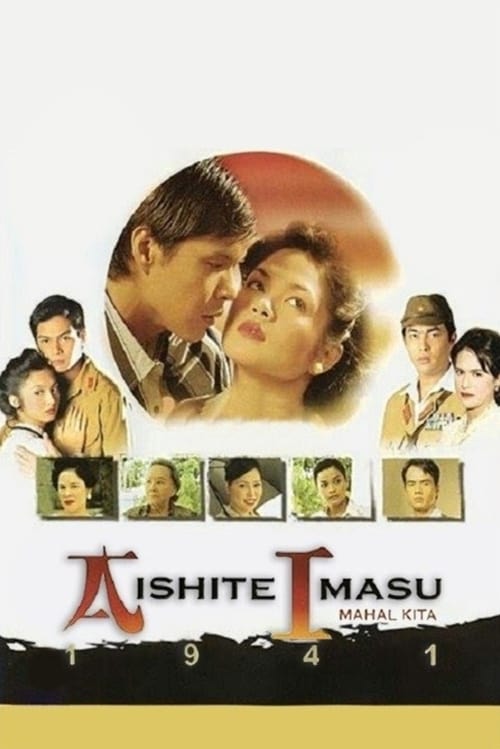
2004
No reviews yet. Be the first to share your thoughts on this movie!
Use the rating form above to leave a star rating and optional review.