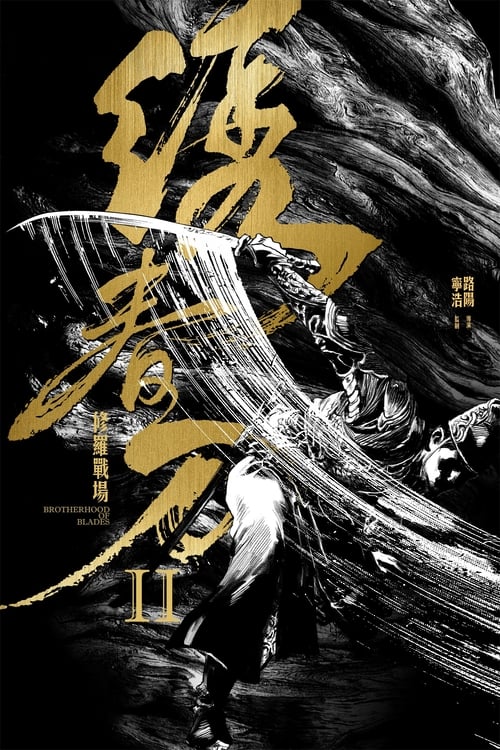
Brotherhood of Blades II: The Infernal Battlefield
2017
No user ratings available yet
Representation score: 4.5 out of 10

Representation Score
Fair
2014
Not RatedDirector
Lu Yang
Runtime
111 minutes
Average Rating
No ratings yetNew Showbiz Analysis
Brotherhood of Blades is a period piece that prioritizes historical authenticity and genre conventions over demographic variety. Its narrative strength lies in its sophisticated deconstruction of institutional corruption and the moral decisions of its protagonists. While the film lacks representation for LGBTQ+ identities and disabilities, it offers a compelling look at systemic injustice. The focus remains on the tension between state duty and personal morality within a decaying power structure.
Category Breakdown
The film follows traditional structures that assume everyone is straight or cisgender. There is no visible representation of LGBTQ+ identities or queer subtext.
The story centers around male camaraderie and professional loyalty, reflecting a masculine-dominated framework. Female characters play a significant role through their martial skills, but the narrative remains focused on male protagonists.
Casting is consistent with the historical setting of the Ming Dynasty, maintaining cultural authenticity without blending diverse ethnicities.
The film critiques centralized power and systemic corruption, portraying state authority as oppressive. It emphasizes individual ethics over institutional loyalty.
The film does not focus on visible or invisible disabilities. Characters are defined by their physical abilities, following typical wuxia genre conventions.
Present on Screen
Limited or Absent
Official Synopsis
In the late Ming Dynasty, three sworn brothers who serve as the imperial secret police are dispatched to hunt down Wei Zhongxian, a eunuch politician who had been forced to resign from his influential post and exiled from Beijing. The brothers return successfully from their quest, only to find that their task was but the beginning of a strange conspiracy.
2017

1992

2012
2010

2015

2007
1998
2011
No reviews yet. Be the first to share your thoughts on this movie!
Use the rating form above to leave a star rating and optional review.