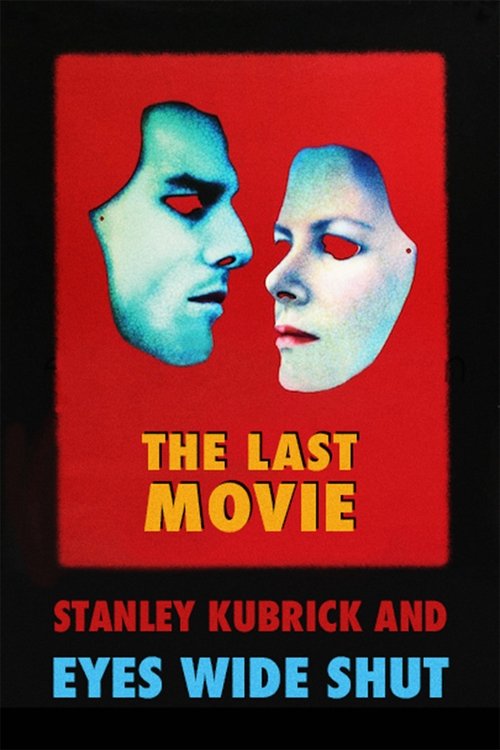
The Last Movie: Stanley Kubrick and 'Eyes Wide Shut'
1999
No user ratings available yet
Diversity score: 4.2 out of 10
2000
Director
Paul Joyce
Runtime
44 minutes
Average Rating
No ratings yetSynopsis
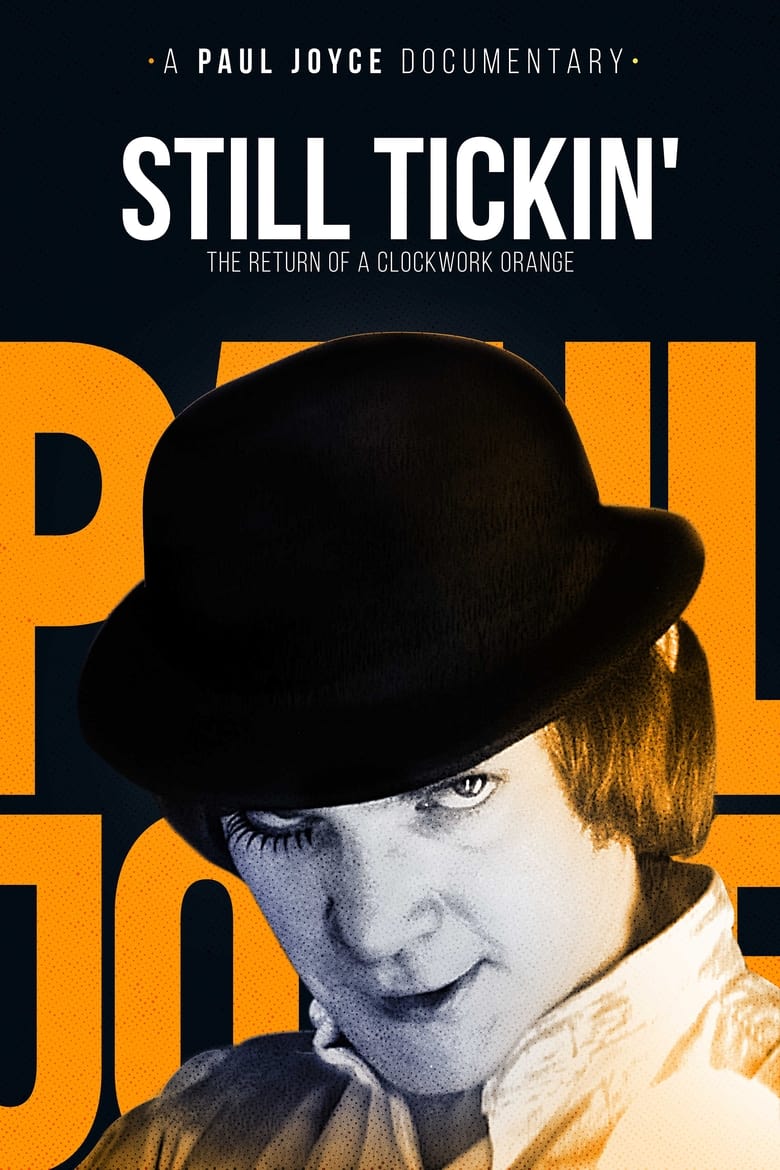
Produced by Channel 4, Still Tickin´: The Return of A Clockwork Orange examines the controversy over Kubrick’s iconic film, explaining the film’s “demonic level of attention,” and its influence on culture, politics and society, which led to the director’s self-imposed ban.
Overall Score
Fair
Category Breakdown
LGBTQ+ Representation
The documentary touches on the tension between individual expression and heteronormative social policing. However, it lacks specific queer identity representation or explicit LGBTQ+ character arcs.
Gender Representation
The film examines how societal structures respond to deviant masculine archetypes and aggression. It analyzes how traditional gendered expectations of behavior are policed by the state and media.
Racial & Ethnic Diversity
The narrative focuses primarily on the British cultural and political landscape. There is no significant evidence of a diverse, non-Anglo-Saxon majority cast or intersectional racial dynamics.
Religious & Cultural Diversity
The documentary excels at critiquing the role of traditional Western institutions and moral gatekeepers. It explores the friction between individual agency and systemic attempts to regulate social behavior.
Disability Representation
The subject matter is centered on cultural criticism rather than lived experiences of disability. There are no specific narratives regarding visible or invisible disabilities.
Strengths
Areas for Improvement
AI Analysis
Still Tickin': The Return of 'A Clockwork Orange' functions as a sophisticated meta-commentary on media influence and censorship. It prioritizes the deconstruction of institutional power over direct demographic representation. The documentary finds its strength in cultural critique, examining how Western institutions attempt to suppress controversial art. It provides a platform to analyze the intersection of social control and individual morality. However, the film lacks breadth in identity-based representation. It focuses heavily on a specific British cultural and political context, leaving little room for diverse racial or LGBTQ+ perspectives.
1999

1993
1999
1999

2002

2001
2016

2012
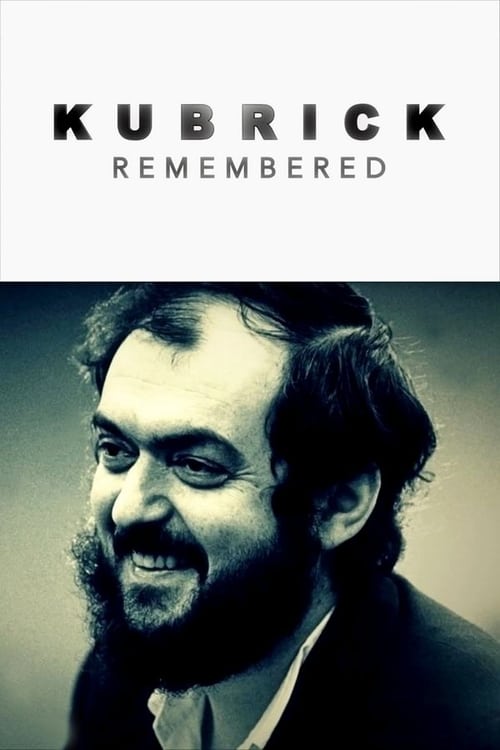
2014
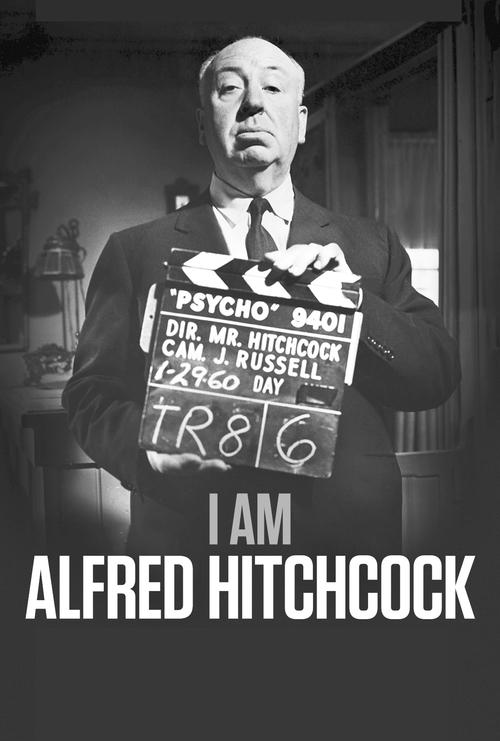
2021
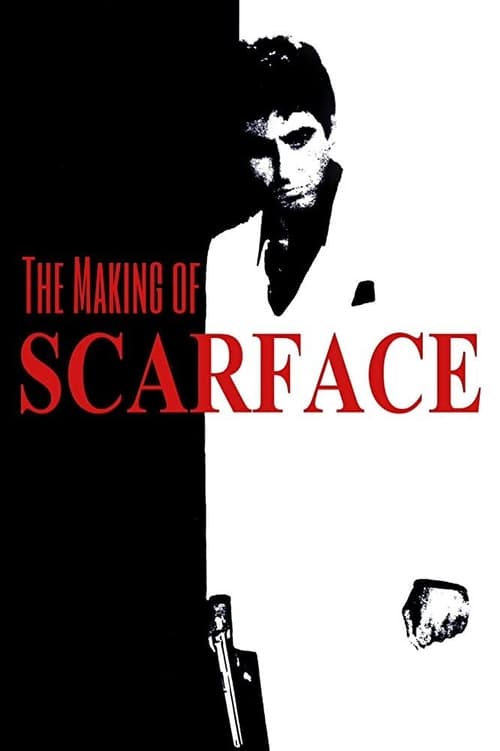
1998
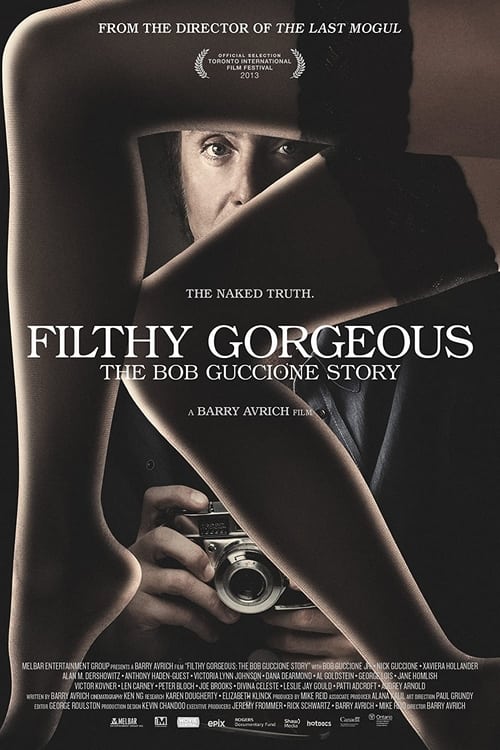
2013
No reviews yet. Be the first to share your thoughts on this movie!
Use the rating form above to leave a star rating and optional review.