Kidman on Kubrick
1999
No user ratings available yet
Representation score: 2.4 out of 10
Representation Score
Fair
1996
Director
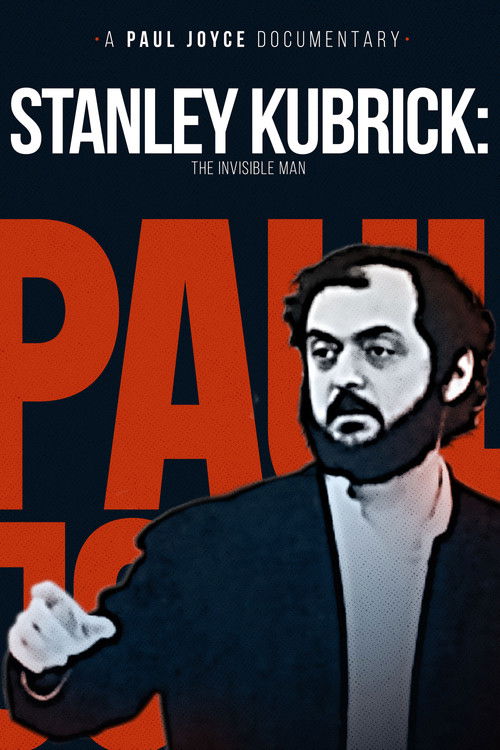
Paul Joyce
Runtime
51 minutes
Average Rating
No ratings yetNew Showbiz Analysis
This documentary serves as a scholarly biography rather than a tool for social activism. It concentrates on the technical and artistic legacy of Stanley Kubrick through archival footage and interviews with his collaborators. The film's viewpoint is predominantly observational, reflecting the demographic realities of the high-level film industry during the late 20th century. While it questions the status quo through Kubrick's work, it does not aim to disrupt social hierarchies through identity politics. Ultimately, the work is a retrospective on a filmmaker whose methods challenged cinematic hierarchies, though the documentary itself stays focused on the Western cinematic tradition.
Category Breakdown
The documentary does not have a planned LGBTQ+ storyline. Any LGBTQ+ representation comes up incidentally through the experiences of interviewees or the analysis of Kubrick's themes about unconventional behavior.
The film focuses on a traditional male-dominated figure in cinema. Although it features female collaborators and critics, the overall perspective aligns with the historical context of the mid-1990s film industry.
The documentary mainly explores the Western cinematic tradition. Its focus on Kubrick's close associates mirrors the demographic makeup of the late 20th-century film industry, which lacks substantial non-white representation.
The narrative breaks down the 'Auteur' concept and questions traditional views on collaborative production. It looks into Kubrick's critical views on human institutions and societal structures.
There is no clear depiction of physical or neurodivergent disabilities.
Present on Screen
Limited or Absent
Official Synopsis
Exploring the reputation of Stanley Kubrick by means of extracts from his work and contributions of people with whom he worked.
1999
2001
1999
2003
1999
2012

1999

2008
No reviews yet. Be the first to share your thoughts on this movie!
Use the rating form above to leave a star rating and optional review.