David Lynch: The Art Life
2017
No user ratings available yet
Representation score: 5.5 out of 10
Representation Score
Fair
2001
Not RatedDirector
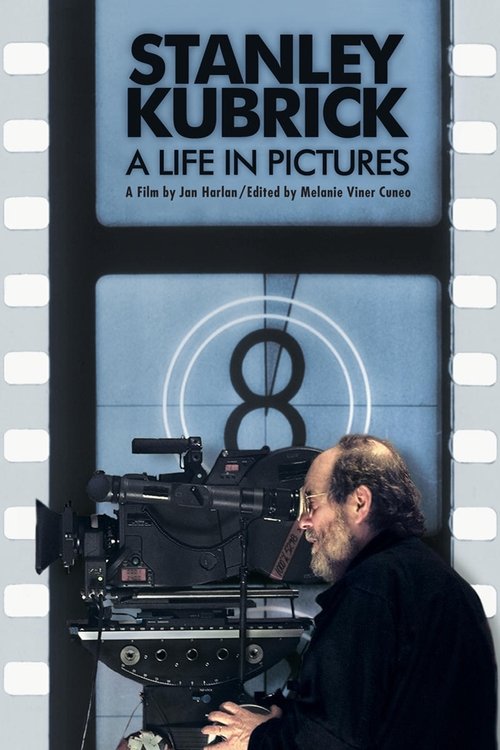
Jan Harlan
Runtime
141 minutes
Average Rating
No ratings yetNew Showbiz Analysis
This documentary serves as a scholarly record of Stanley Kubrick's creative methods. It relies on industry experts and archival footage to analyze his filmmaking techniques rather than exploring identity-based stories. The film's structure follows a traditional biographical format, which naturally centers on the singular male figure. While it delves into themes of institutional skepticism through Kubrick's filmography, the documentary itself remains a conventional celebration of his legacy. Since the work is a historical look back at a specific era in Hollywood, it does not have the broad characters who reflect more than one aspect of diversity seen in modern narratives. It preserves cinematic history rather than serving as a tool for social critique.
Category Breakdown
The film focuses on Stanley Kubrick's life and does not center on LGBTQ+ identities or stories that go beyond traditional heterosexual relationships.
Female collaborators and professionals get a chance to discuss Kubrick's work, but the story mainly revolves around the male director's singular genius.
The interview subjects come from a Western, Hollywood-focused professional network. The film does not highlight multi-layered racial stories, focusing instead on a historical account of Kubrick's career.
The documentary looks at Kubrick's critiques of Western institutions and systems of power. It maintains an observational stance without adopting a specific ideological viewpoint.
The film does not focus on visible or invisible disabilities. It prioritizes the professional legacy and creative process over the lived experiences of disability.
Present on Screen
Limited or Absent
Official Synopsis
With commentary from Hollywood stars, outtakes from his movies and footage from his youth, this documentary looks at Stanley Kubrick's life and films. Director Jan Harlan, Kubrick's brother-in-law and sometime collaborator, interviews heavyweights like Jack Nicholson, Woody Allen and Sydney Pollack, who explain the influence of Kubrick classics like "Dr. Strangelove" and "2001: A Space Odyssey," and how he absorbed visual clues from disposable culture such as television commercials.
2017
1995
2011
2016

2012

2017
1996
2017
No reviews yet. Be the first to share your thoughts on this movie!
Use the rating form above to leave a star rating and optional review.