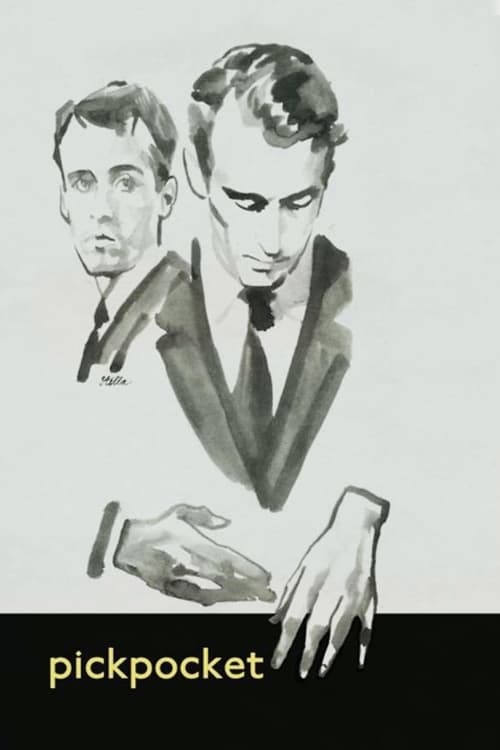
Pickpocket
1959
No user ratings available yet
Diversity score: 3.8 out of 10

1955
NRDirector
Robert Aldrich
Runtime
111 minutes
Average Rating
No ratings yetSynopsis
Movie star Charlie Castle draws the ire of Hollywood producer Stanley Hoff when he refuses to sign a new seven-year contract. Castle is sick of the low quality of the studio's films and wants to start a new life. While his estranged wife supports him in the decision, Castle's talent agent urges him to reconsider. When Castle continues to be uncooperative, Hoff resorts to blackmail in order to get his way.
Overall Score
Fair
Category Breakdown
LGBTQ+ Representation
The film lacks LGBTQ+ characters or non-heteronormative identities. Interpersonal dynamics focus entirely on traditional romantic and professional pairings.
Gender Representation
Professional agency is concentrated in male figures, often leaving women as subjects of male decision-making. However, the film effectively depicts the psychological toll and precariousness of female autonomy within male-dominated corporate structures.
Racial & Ethnic Diversity
The cast reflects the era's social constraints, focusing on a homogeneous, white Hollywood elite. There is a notable absence of characters of color, presenting the industry as an Anglo-centric monolith.
Religious & Cultural Diversity
The narrative offers a sophisticated critique of capitalism and Western institutional power. It portrays the Hollywood studio system as a predatory machine that prioritizes profit over individual morality.
Disability Representation
There are no visible or invisible disabilities portrayed within the primary cast or central plot arcs.
Strengths
Areas for Improvement
AI Analysis
The Big Knife is a period piece that mirrors the demographic homogeneity of the 1950s. It lacks intersectional representation regarding race, gender identity, and disability, resulting in a low score for demographic variety. However, the film excels in its cultural critique. It uses a noir-inflected lens to deconstruct the studio system, challenging the perceived morality of Western corporate structures and institutional corruption. Ultimately, the film prioritizes a systemic interrogation of power dynamics over a diverse cast, making it a study of institutional decay rather than social inclusivity.
1959
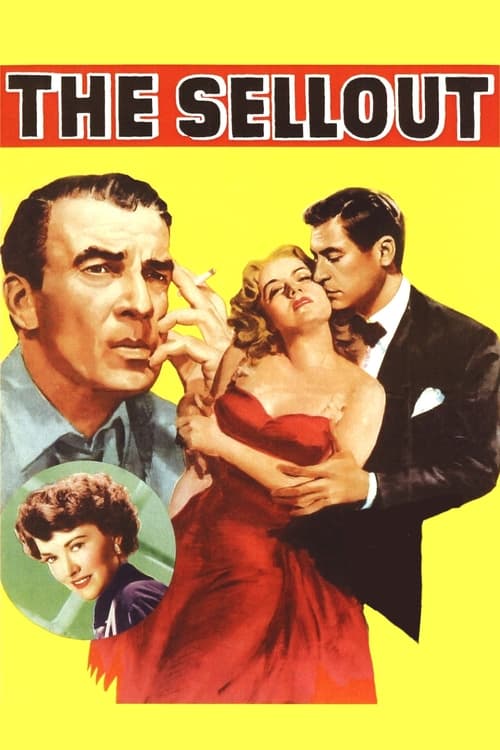
1952

1952

1949
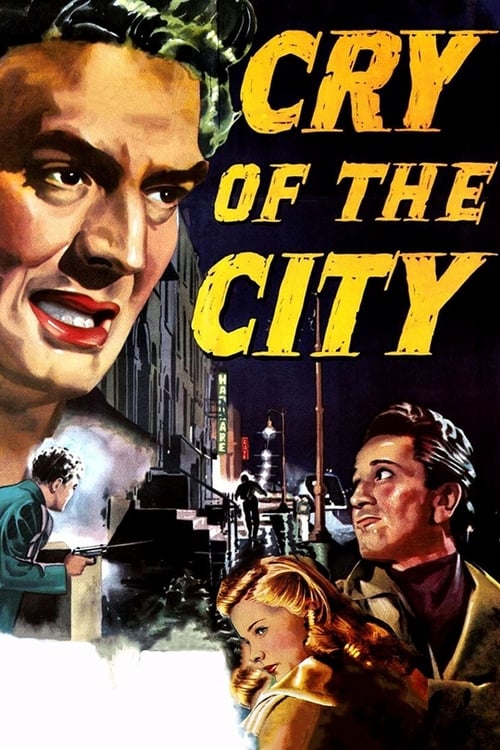
1948

1947
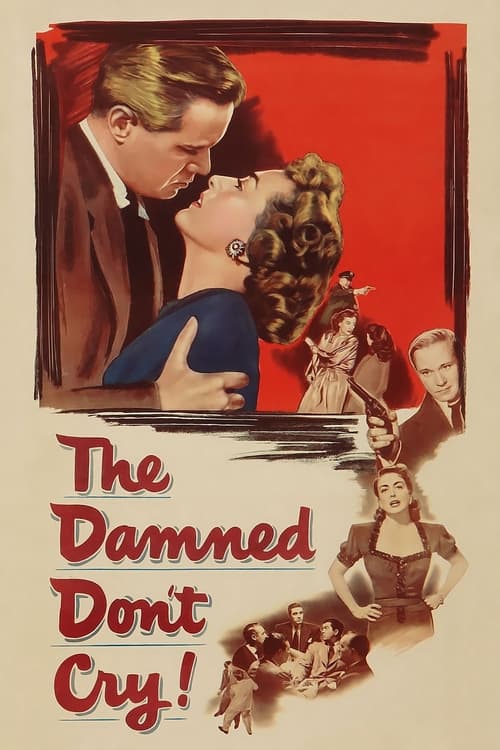
1950

1958
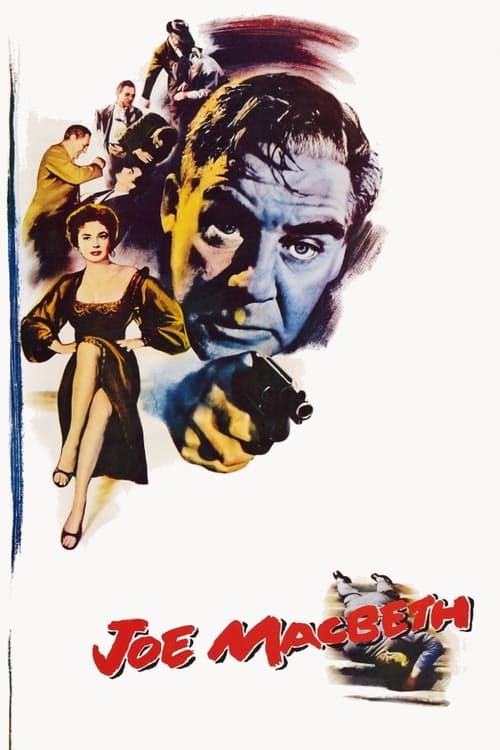
1955
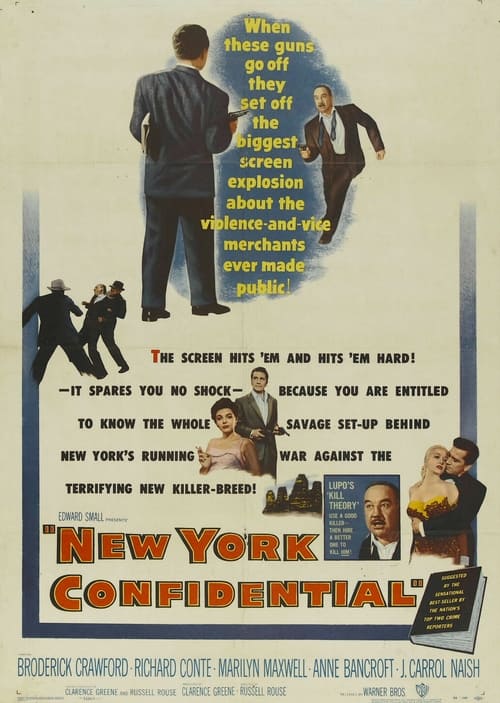
1955
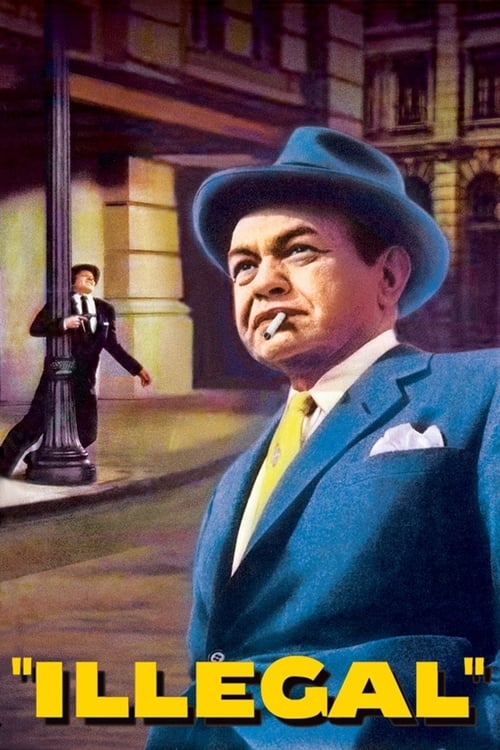
1955
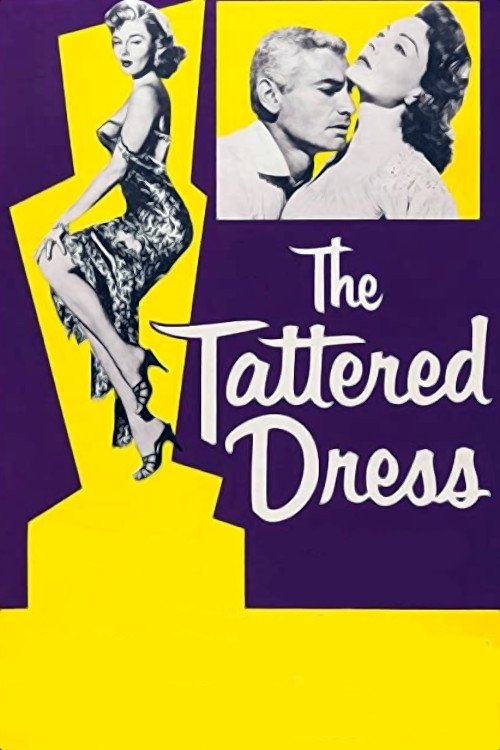
1957
No reviews yet. Be the first to share your thoughts on this movie!
Use the rating form above to leave a star rating and optional review.