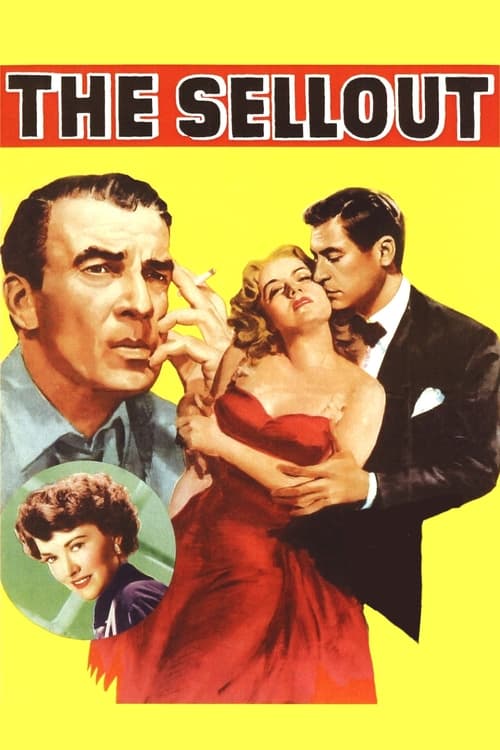
The Sellout
1952
No user ratings available yet
Representation score: 1.2 out of 10

Representation Score
Minimal
1958
NRDirector
Paul Wendkos
Runtime
82 minutes
Average Rating
No ratings yetNew Showbiz Analysis
The film operates as a classic mid-century crime drama, adhering to the social and demographic norms of its time. It focuses on restoring order and vindicating individuals, which avoids disrupting established social hierarchies or exploring diverse identities. The work reflects the production standards of the 1950s, emphasizing a homogeneous cast and conventional gender roles.
Category Breakdown
The film does not include any LGBTQ+ characters, reflecting the strict adherence to the heterosexual norms of 1950s urban cinema.
The story emphasizes traditional gender roles from the 1950s. Male characters take the lead in driving the plot, while females play supporting or reactive roles.
The cast is predominantly white and Anglo-Saxon, without the inclusion of diverse ethnic groups that might challenge the homogeneity typical of 1950s films.
The narrative centers on Western institutions and individual justice within the system, avoiding broader critiques of religion or capitalism.
The film does not feature any characters with visible or invisible disabilities, nor does it use disability as a narrative tool or for character development.
Present on Screen
Limited or Absent
Official Synopsis
A rookie cop takes on criminals who have the local government in their pocket.
1952

1953
1971

1981

1971

1981

1948

1950
No reviews yet. Be the first to share your thoughts on this movie!
Use the rating form above to leave a star rating and optional review.