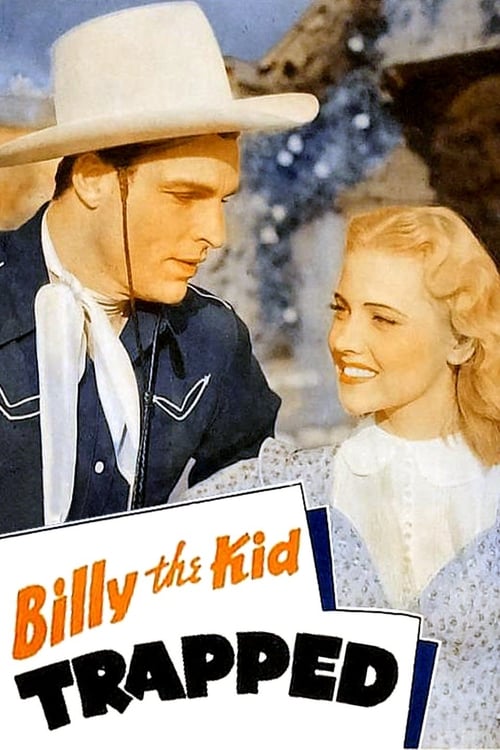
Billy the Kid Trapped
1942
No user ratings available yet
Representation score: 0.7 out of 10
Representation Score
Minimal
1942
ApprovedDirector
Joseph Kane
Runtime
53 minutes
Average Rating
No ratings yetNew Showbiz Analysis
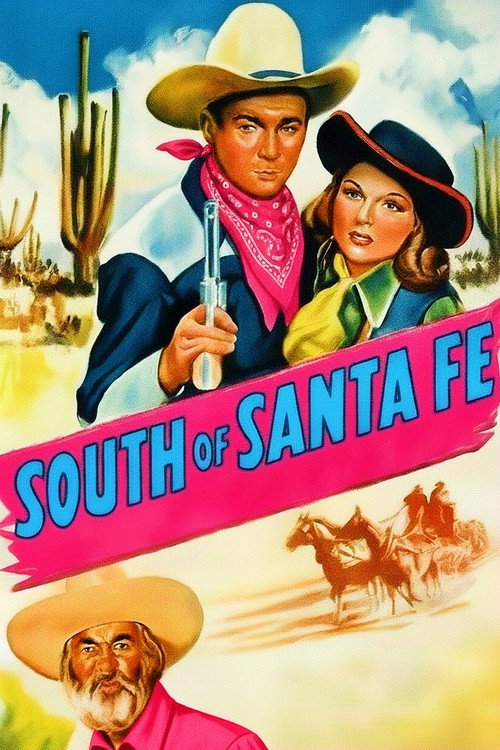
South of Santa Fe is a classic 1940s Western that adheres to the genre’s traditional structures. The narrative centers on a straightforward hero-versus-outlaw storyline, emphasizing resource acquisition and law enforcement. While the inclusion of the Vacaros hints at ethnic diversity, the film predominantly focuses on Anglo-centric power struggles. Character dynamics are heavily influenced by male-driven conflicts and leadership. Overall, the film reflects traditional cinematic standards, favoring conventional storytelling and archetypes over nuanced or diverse representation.
Category Breakdown
The film does not include any LGBTQ+ characters or stories related to non-traditional gender identities. The plot revolves around business dealings and a kidnapping incident.
The story emphasizes male-dominated conflicts among businessmen, gangsters, and the main character. This reinforces a male-focused power structure typical of 1940s Western films.
The mention of the Vacaros indicates the presence of Hispanic characters. However, the narrative seems to prioritize an Anglo-centric conflict between the hero and the antagonist.
The film follows a traditional Western framework focused on property and justice. It upholds mid-century values concerning social order and legal systems.
There are no characters with visible or invisible disabilities mentioned. The story does not address disability representation.
Present on Screen
Limited or Absent
Official Synopsis
To get the three needed business men to visit the Stevens mine, Roy stages a ride with the Vacaros and has them as honored guests. Seeing a chance to make a lot of money, gangster Harmon joins the ride and then has his men kidnap the three. Having filmed a fake holdup earlier, he uses the film to convince the Sheriff that Roy and the boys were the Kidnapers.
1942

1943
1942
1943
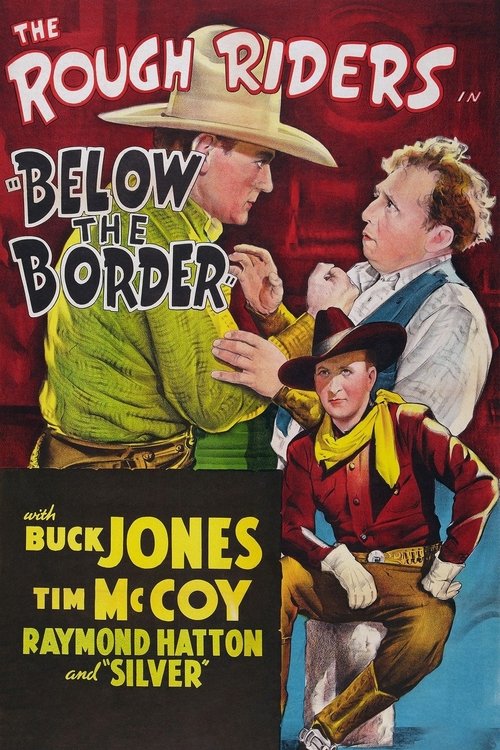
1942
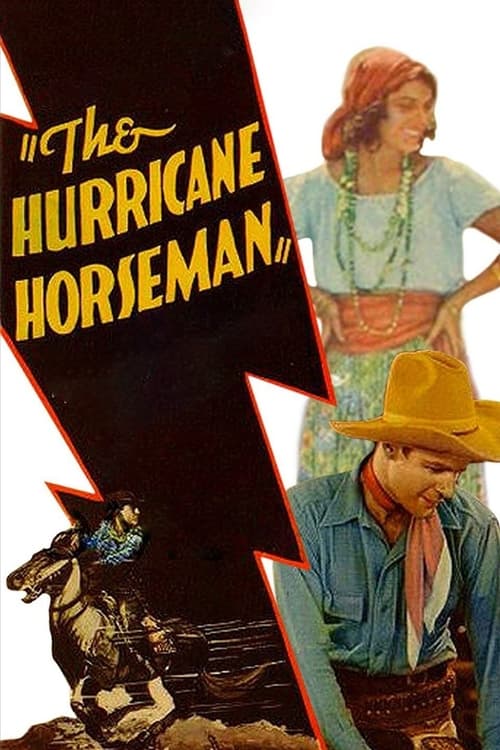
1931
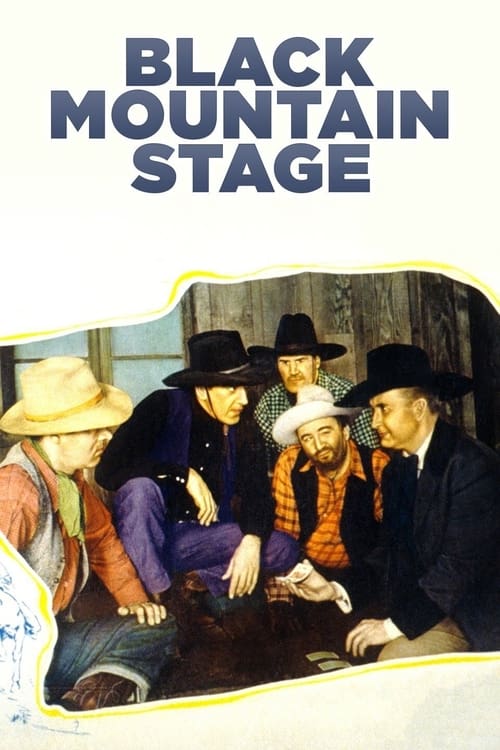
1940
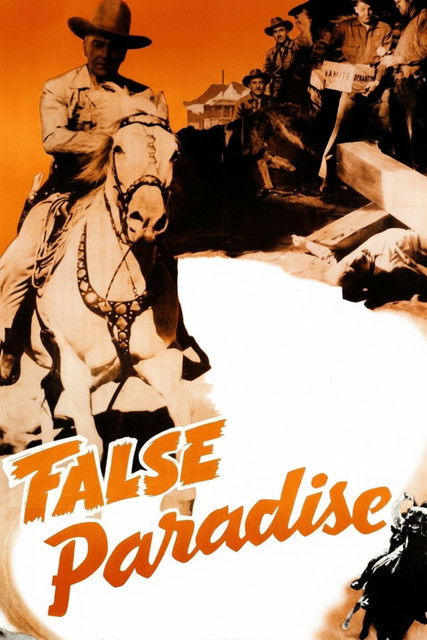
1948
No reviews yet. Be the first to share your thoughts on this movie!
Use the rating form above to leave a star rating and optional review.