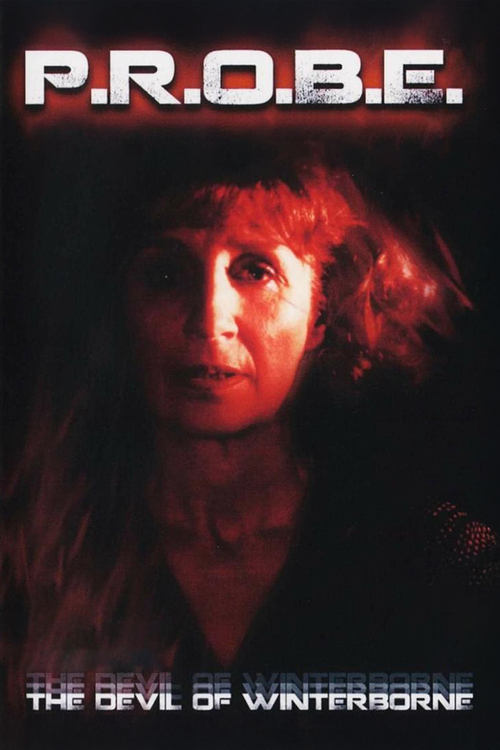
PROBE: The Devil of Winterborne
1995
No user ratings available yet
Representation score: 4.0 out of 10
Representation Score
Fair
1994
Director
Bill Baggs
Runtime
60 minutes
Average Rating
No ratings yetNew Showbiz Analysis
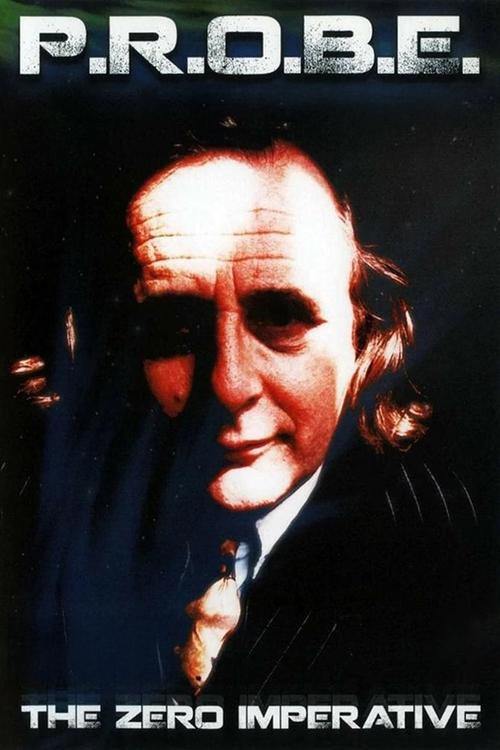
The Zero Imperative functions mainly as a genre-driven mystery. While it offers a strong example of women's ability to drive the story through Liz Shaw, it lacks multi-layered complexity and diverse casting. The film adheres to conventional 1990s science fiction and crime drama frameworks, failing to provide significant subversion of social hierarchies or explicit representation of underrepresented groups. Ultimately, the narrative focuses on procedural investigation and horror clichés, leaving little room for the progressive storytelling needed for a higher diversity score.
Category Breakdown
The film does not include visible LGBTQ+ identities or stories that challenge the assumption that everyone is straight or cisgender. The plot revolves around a procedural investigation involving a psychiatric hospital and interference from industrialists.
Liz Shaw plays a significant role in driving the story with her intellect and investigative skills. Male characters like Peter Russell and Dr. Dove maintain a traditional power structure.
The film follows mid-90s genre conventions with predominantly white casting. There is no indication of diverse casting or the use of non-human characters to represent ethnic backgrounds.
The story critiques institutional corruption and capitalist influence over healthcare. It follows a standard mystery format rather than presenting an explicit anti-Western or anti-capitalist message.
The psychiatric hospital setting addresses mental health issues. However, these elements might be used as horror plot devices rather than giving real power to characters with lived experiences of mental health conditions.
Present on Screen
Limited or Absent
Official Synopsis
Former UNIT luminary Liz Shaw and her assistant Bayliss are investigating a series of bizarre murders, all committed near a soon-to-be-closed psychiatric hospital. When the hospital is unexpectedly reprieved by rich Industrialist Peter Russell events seem to move out of Liz's control. Are the incumbent director of the clinic, Doctor Dove and his predecessor Doctor O'Kane harboring the killer? What is the centuries-old horror hidden in the grounds? And what exactly is the secret of room zero?
1995
1971

1996
1990

1996
2010
1985

1998
No reviews yet. Be the first to share your thoughts on this movie!
Use the rating form above to leave a star rating and optional review.