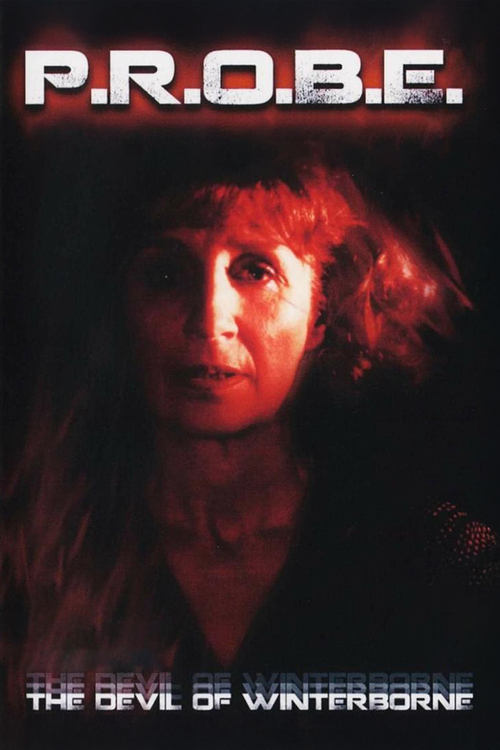
PROBE: The Devil of Winterborne
1995
No user ratings available yet
Representation score: 4.0 out of 10

Representation Score
Limited
1996
Director
Bill Baggs
Runtime
42 minutes
Average Rating
No ratings yetNew Showbiz Analysis
Ghosts of Winterborne follows a conventional mid-90s supernatural thriller structure. While it avoids the 'damsel in distress' cliché by centering Liz Shaw, the film remains tethered to traditional genre archetypes. The narrative lacks depth in terms of racial, cultural, or LGBTQ+ representation. The focus on Western Gothic elements and religious conflict suggests a narrow, traditional perspective. Ultimately, the film provides a baseline of women's ability to drive the story but fails to challenge broader social or identity-driven hierarchies.
Category Breakdown
The film lacks explicit queer narratives or non-cisgender identities. Liz Shaw experiences internal conflicts but there is no evidence of same-sex intimacy or identity-focused arcs.
Liz Shaw serves as a central protagonist with significant influence. However, her partnership with a disgraced headmaster follows traditional male-female thriller dynamics.
The story lacks evidence of a diverse cast or non-Anglo-Saxon characters. The plot relies on Western Gothic clichés suggesting a homogeneous setting.
The narrative explores religious struggle through exorcism and occultism. It operates within a standard good versus evil framework rather than offering systemic critique.
There is no indication of characters with physical, sensory, or neurodivergent disabilities. The conflict remains focused on external supernatural threats.
Present on Screen
Limited or Absent
Official Synopsis
The Devil of Winterborne has only recently been exorcised by PROBE. But when the body of its last victim disappears, and a book of black magic spells is stolen from a local museum, Liz Shaw begins to wonder if the ghosts of the past have really been laid to rest. Forced into an unholy alliance with the school’s disgraced headmaster, Liz must fight not only her own warring emotions, but a festering evil that threatens to corrupt the Earth again after 100 years. But how do you fight a shadow from Hell?
1995

1995
1994
1977

1998
No reviews yet. Be the first to share your thoughts on this movie!
Use the rating form above to leave a star rating and optional review.