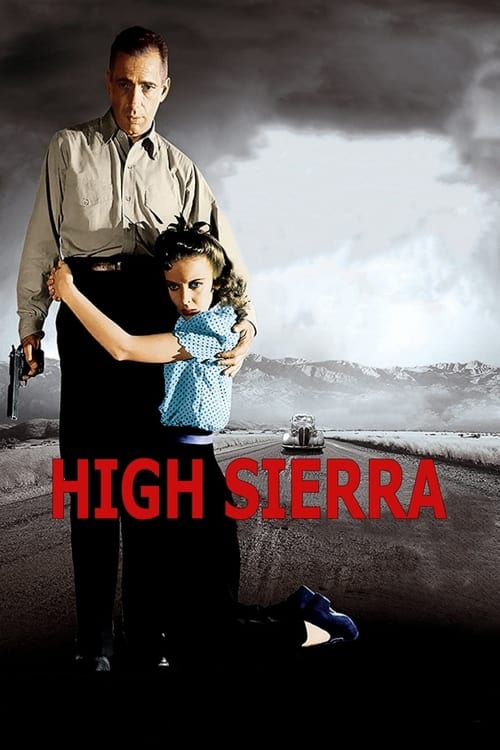
High Sierra
1941
No user ratings available yet
Representation score: 1.7 out of 10

Representation Score
Minimal
1950
ApprovedDirector
John Huston
Runtime
113 minutes
Average Rating
No ratings yetNew Showbiz Analysis
John Huston’s crime drama excels in genre technicality and urban cynicism, yet it remains a product of its 1950s era. The film emphasizes the mechanics of a professional heist over social representation, centered around traditional hierarchies. The narrative structure heavily favors a white, male demographic. While it offers a sophisticated deconstruction of criminal professionalism, it lacks depth in addressing multiple aspects of identity. It also fails to challenge dominant social structures. Ultimately, the film upholds the social norms of its time, presenting a narrow view of the mid-century urban experience.
Category Breakdown
The film adheres to a strict assumption that everyone is straight or cisgender. There are no depictions of same-sex relationships or non-binary gender identities.
The story focuses on a male-dominated criminal network. While Marie Windsor has a strong presence, she fits primarily within the femme fatale stereotype.
The cast is mainly composed of white actors with little diversity. The film does not include meaningful representation of various ethnic backgrounds.
The movie presents a cynical view of the American Dream through a noir perspective. It explores moral relativism without promoting specific anti-Western ideologies.
There is no depiction of physical, sensory, or neurodivergent disabilities. Characters are defined by their physical abilities needed for the heist.
Present on Screen
Limited or Absent
Official Synopsis
Recently paroled from prison, legendary burglar "Doc" Riedenschneider, with funding from Alonzo Emmerich, a crooked lawyer, gathers a small group of veteran criminals together in the Midwest for a big jewel heist.
1941
1950
1950

1955
1949
1954
1967
1949
No reviews yet. Be the first to share your thoughts on this movie!
Use the rating form above to leave a star rating and optional review.