The Fifth Cord
1971
No user ratings available yet
Diversity score: 4.2 out of 10
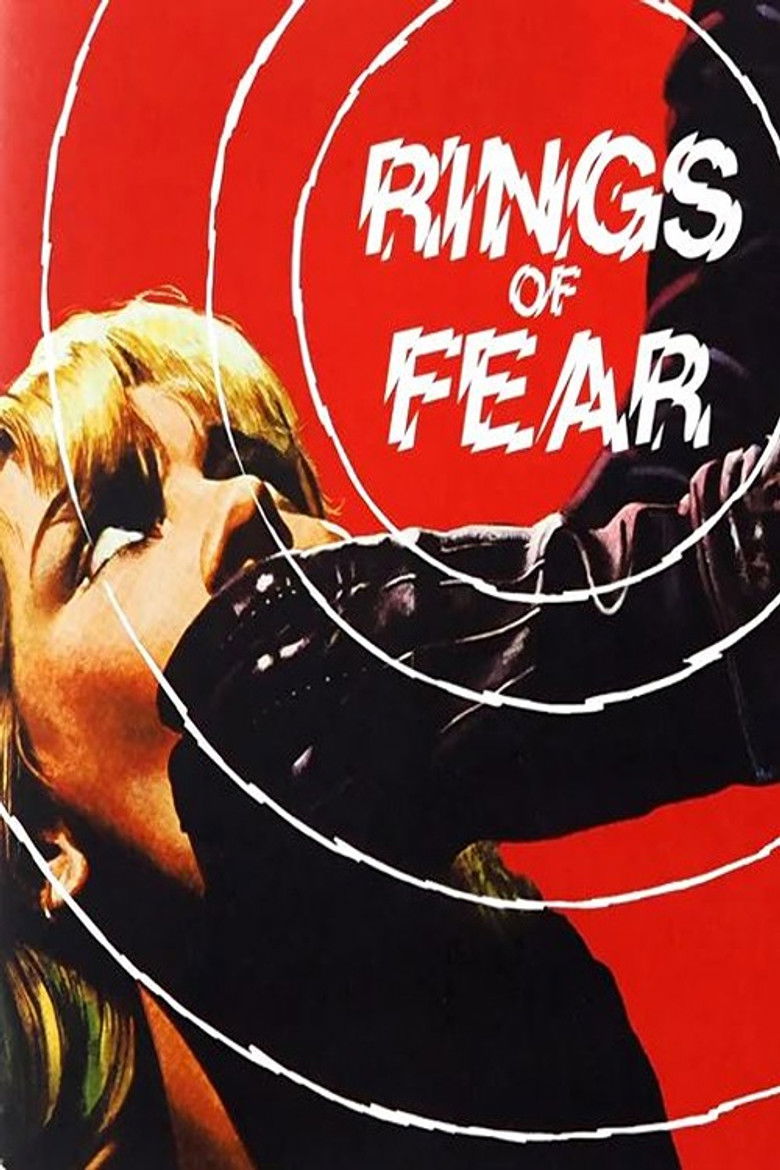
1978
Not RatedDirector
Alberto Negrin
Runtime
85 minutes
Average Rating
No ratings yetSynopsis
Angela Russo, a sixteen-year-old girl, is found dead in a river, having been fatally violated with a large blunt instrument. Inspector Di Salvo is assigned to the case and focuses his investigations on St. Theresa's, the exclusive school where Angela boarded. Three of the murdered girl's classmates, Franca, Paola and Virginia (who call themselves "The Inseparables"), receive threatening poems from an individual using the name "Nemesis." Bizarre "accidents" start to befall the girls: Franca is injured when someone causes her horse to bolt and Virginia nearly breaks her neck on marbles left at the top of a staircase. But Di Salvo is determined to find the killer, even if it means using unorthodox methods. He is aided by Angela Russo's little sister Emily, whose helpful clues lead to a boutique owned by a dubious character and a vice ring where "rich influential men pay well for teenage favours..."
Overall Score
Fair
Category Breakdown
LGBTQ+ Representation
The film focuses on intense female bonds within 'The Inseparables.' However, it lacks explicit depictions of queer intimacy or non-heteronormative identities.
Gender Representation
Narrative weight rests on female characters like Angela and Emily. The plot critiques patriarchal structures by portraying influential men as predatory and corrupt.
Racial & Ethnic Diversity
The setting of an exclusive school suggests a homogeneous European social stratum. The cast appears to reflect a lack of racial or ethnic blending.
Religious & Cultural Diversity
The story offers a cynical critique of Western institutions. It exposes systemic rot within elite boarding schools and corrupt, class-based power structures.
Disability Representation
Physical trauma and accidents serve as suspense mechanisms. These plot devices drive the mystery rather than offering nuanced portrayals of disability.
Strengths
Areas for Improvement
AI Analysis
Rings of Fear (1978) functions as a social critique disguised as a thriller. It succeeds in deconstructing the perceived sanctity of elite institutions and challenging traditional masculine authority. By centering the emotional weight on female characters, it subverts standard genre hierarchies. However, the film is limited by the era's cinematic constraints. It lacks intersectional depth, specifically regarding racial diversity and LGBTQ+ representation. The focus remains heavily on a Eurocentric, heteronormative social circle. Ultimately, while the film provides a sophisticated look at systemic corruption, its narrow demographic scope prevents a higher diversity rating.
1971
1971
1975
1972
1975
1971
1976
1972
1975
No reviews yet. Be the first to share your thoughts on this movie!
Use the rating form above to leave a star rating and optional review.