A Dragonfly for Each Corpse
1975
No user ratings available yet
Diversity score: 3.2 out of 10
1976
Not RatedDirector
Paolo Cavara
Runtime
98 minutes
Average Rating
No ratings yetSynopsis
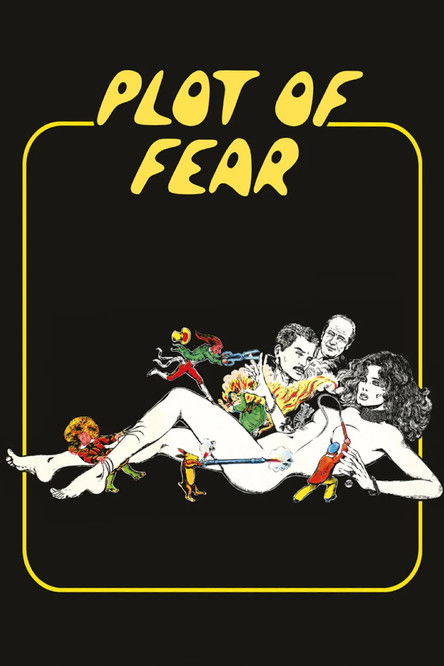
Plot of Fear tells the story of a decadent weekend party full of orgies and drugs on the outskirts of Milan. Inspector Lomenzo investigates a series of bizarre murders, each linked by the fact that pages from the German children’s book "Shock-Headed Peter" have been left at the scene of the crime. As the bodies pile up, Lomenzo is guided by a model and a surveillance expert to a decadent club frequented by the rich and powerful.
Overall Score
Fair
Category Breakdown
LGBTQ+ Representation
The film explores transgressive behaviors within a decadent, high-society setting. However, non-traditional sexualities often serve as stylistic tools for moral decay rather than developing autonomous identities.
Gender Representation
Female characters frequently occupy archetypal roles, such as the 'model,' tied to the male gaze. While women exist in positions of social power, their agency remains linked to the central mystery.
Racial & Ethnic Diversity
The cast appears largely homogeneous, focusing on the European upper class. There is no evidence of intersectional casting or a disruption of Eurocentric norms within this setting.
Religious & Cultural Diversity
The narrative critiques Western institutions by portraying the elite as trapped in a cycle of violence and drug use. It uses fractured childhood imagery to challenge traditional moral structures.
Disability Representation
The film explores psychological instability through its bizarre crimes. However, neurodivergence or physical disability are not presented as central character arcs or meaningful representations of agency.
Strengths
Areas for Improvement
AI Analysis
Plot of Fear is a genre-driven exploration of bourgeois decadence. It succeeds in its cynical deconstruction of high-society morality, using a crime framework to challenge the stability of the capitalist elite and traditional social orders. However, the film struggles with meaningful representation. Character identities, particularly regarding gender and sexuality, often feel secondary to the stylistic requirements of the giallo genre, serving more as symptoms of a moral vacuum than as fully realized people. Ultimately, the film's diversity is limited by its focus on a homogeneous European upper class, lacking significant racial or intersectional depth.
No reviews yet. Be the first to share your thoughts on this movie!
Use the rating form above to leave a star rating and optional review.